
Published: Sep 29, 2026
A practical guide to breathability, warmth and layering—so you can choose the right fleece for the way you actually move outdoors.
Fleece is worn across almost every mountain activity, from high-output movement to cold-weather layering. Whether you're hiking in the mountains, ski touring, trail running or simply enjoying everyday outdoor life, fleece helps regulate comfort as activity levels, weather and exposure change throughout the day.
Fleece is designed to balance warmth with comfort during movement rather than simply maximise insulation. That's what makes it one of the most versatile layers in a mountain clothing system. The best fleece isn't necessarily the warmest, but the one that matches how you actually spend time in the mountains.
For a deeper understanding of fleece construction, warmth levels and layering principles, read:
Start With How Much Heat You Generate
For fleece, activity level often matters more than the weather forecast. Two people can hike the same trail on the same day and prefer completely different fleece layers, while the same person may choose different fleeces for different seasons and activities.
Part of the reason is individual. Some people naturally generate and retain more heat during movement than others. But the activity itself matters too. A sustained uphill effort places different demands on a fleece than slower movement, repeated stops or long periods of lower activity.
As heat production increases, breathability and moisture management become more important. As activity levels decrease or conditions become colder, retaining warmth becomes a greater priority. Choosing fleece therefore means considering both how much heat you typically generate and how the fleece will be used.
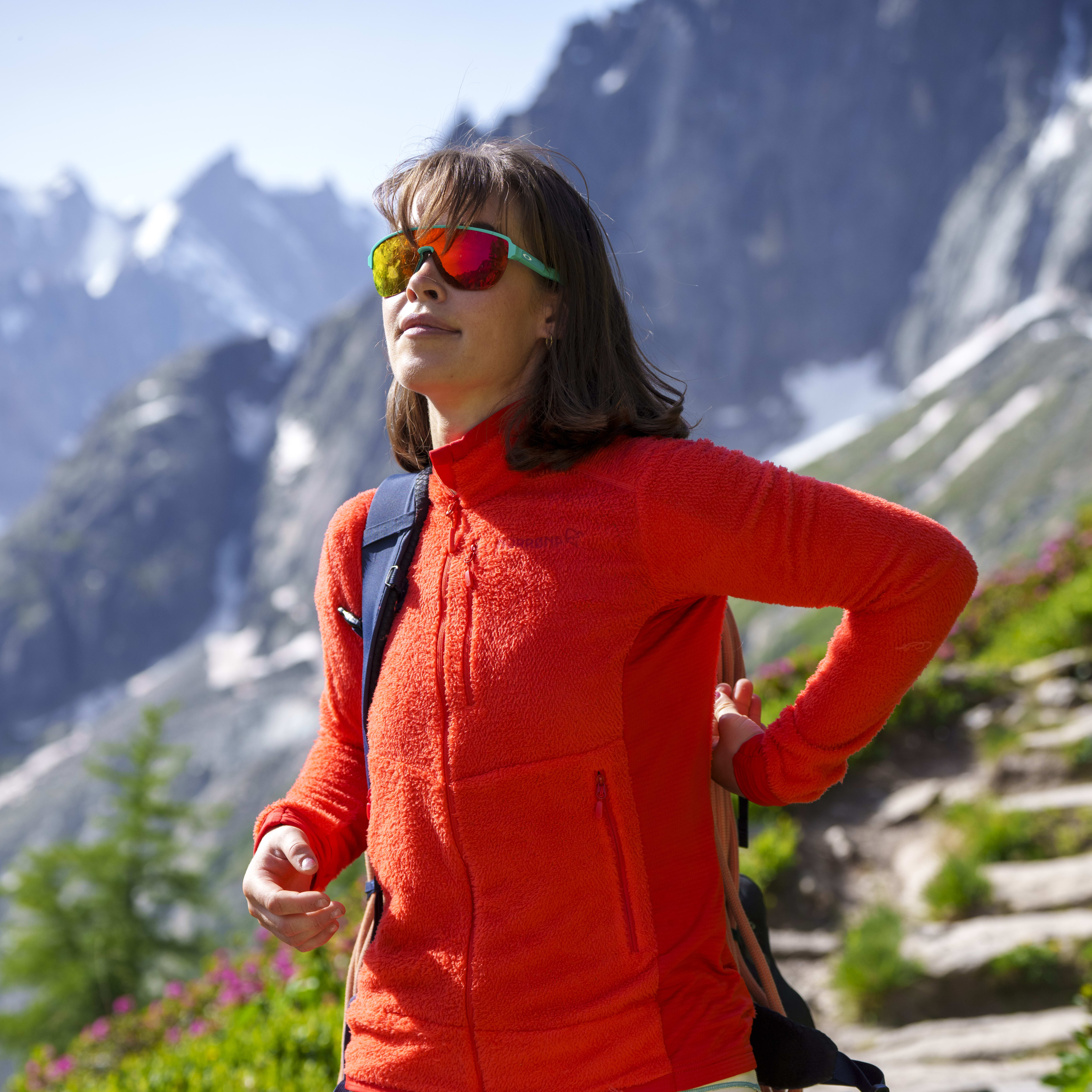
As heat production increases, breathability and moisture management become more important.
Norrøna's warm1™, warm2™ and warm3™ system provides a useful starting point for understanding that balance.
warm1™
Best if: You generate a lot of heat or primarily use fleece during high-output activity.
warm1™ represents the lightest and most breathable end of the Norrøna fleece range. It prioritises breathability, moisture management and low weight for sustained movement and activities where excess heat needs to escape efficiently.
warm2™
Best if: You want a versatile balance between warmth and breathability.
warm2™ provides more insulation than warm1™ while remaining suitable for active mountain use. It is designed for changing activity levels and conditions where neither maximum breathability nor greater warmth needs to dominate.
warm3™
Best if: You need greater insulation for colder conditions or lower-output use.
warm3™ shifts the balance further towards warmth. It is designed for situations where retaining body heat becomes a greater priority, whether because of colder conditions, lower activity levels or the intended use of the fleece.
The three levels are not a hierarchy of performance. They represent different balances between warmth and breathability for different people, activities and conditions.
Once you've identified the level of insulation that may suit you, the next question is what you need the fleece to do. Different activities place different demands on warmth, breathability, drying time and freedom of movement.
If You're Looking for One Fleece
If you're looking for one fleece, a midweight construction often provides the broadest range of use. It offers enough warmth for cooler conditions while remaining breathable enough for sustained movement, making it useful across mountain hiking, travel and everyday outdoor life.
The falketind warm2 Jacket was developed around this balance. Designed for year-round mountaineering, it combines warmth, breathability and comfort across changing conditions and activity levels. If freedom of movement is a higher priority, the falketind warm2 stretch Hood offers a more flexible alternative.


When Activity-Specific Design Matters
A versatile fleece is often the right place to start. Fleece garments also tend to move easily between activities, which is why the same layer may work for hiking, travel and everyday outdoor life.
Some activities, however, place more specific demands on warmth, breathability, drying time and freedom of movement. As those demands change, the ideal balance between insulation and heat management changes too.
Trail Running
Primary challenge: Managing heat during sustained movement
Running generates large amounts of body heat over sustained periods. Rather than maximising insulation, a running fleece needs to breathe efficiently, dry quickly and remain comfortable as heat and moisture build.
If trail running is your primary activity, the senja warm1 Hood is a natural place to start. Designed specifically for running, it prioritises low weight, rapid drying and efficient temperature regulation during continuous movement.
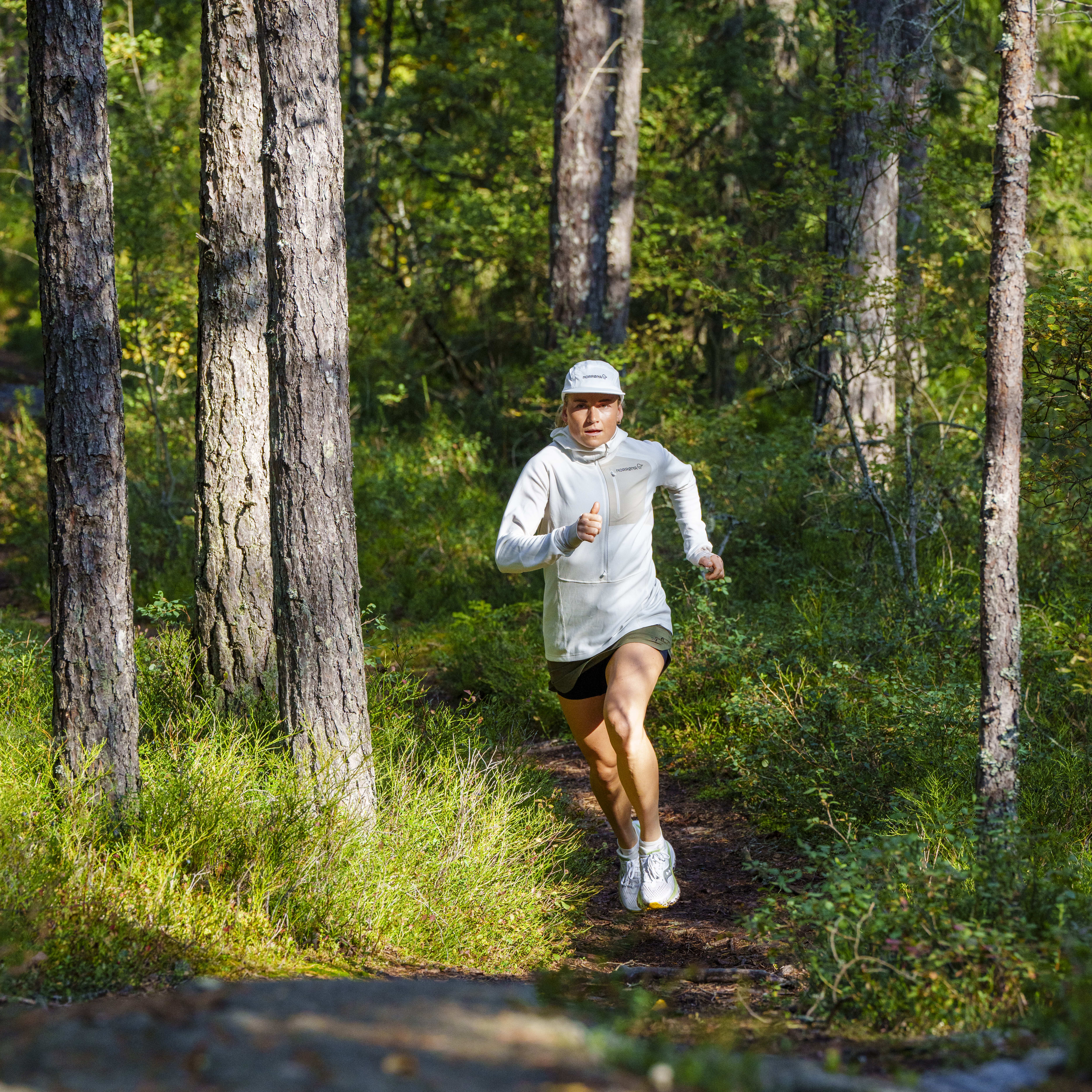
Rather than maximising insulation, a running fleece needs to breathe efficiently, dry quickly and remain comfortable as heat and moisture build.


Mountain Hiking & Mountaineering
Primary challenge: Balancing warmth and breathability as activity levels change
Mountain days often involve repeated transitions between sustained movement, slower sections and periods of rest. A fleece therefore needs to provide enough insulation when activity drops while allowing excess heat and moisture to escape when the pace increases.
The falketind warm1 Hood provides a lightweight option when breathability and lower weight are priorities. If you generate a lot of heat during movement, the falketind warm1 Active Jacket shifts the balance further towards breathability. For greater warmth and versatility across changing seasons and mountain conditions, the falketind warm2 Jacket is the more balanced choice.


Alpine Climbing
Primary challenge: Maintaining warmth during colder and less active periods
Alpine climbing often combines movement with periods of lower activity in cold, exposed environments. As time spent moving decreases, retaining warmth becomes increasingly important.
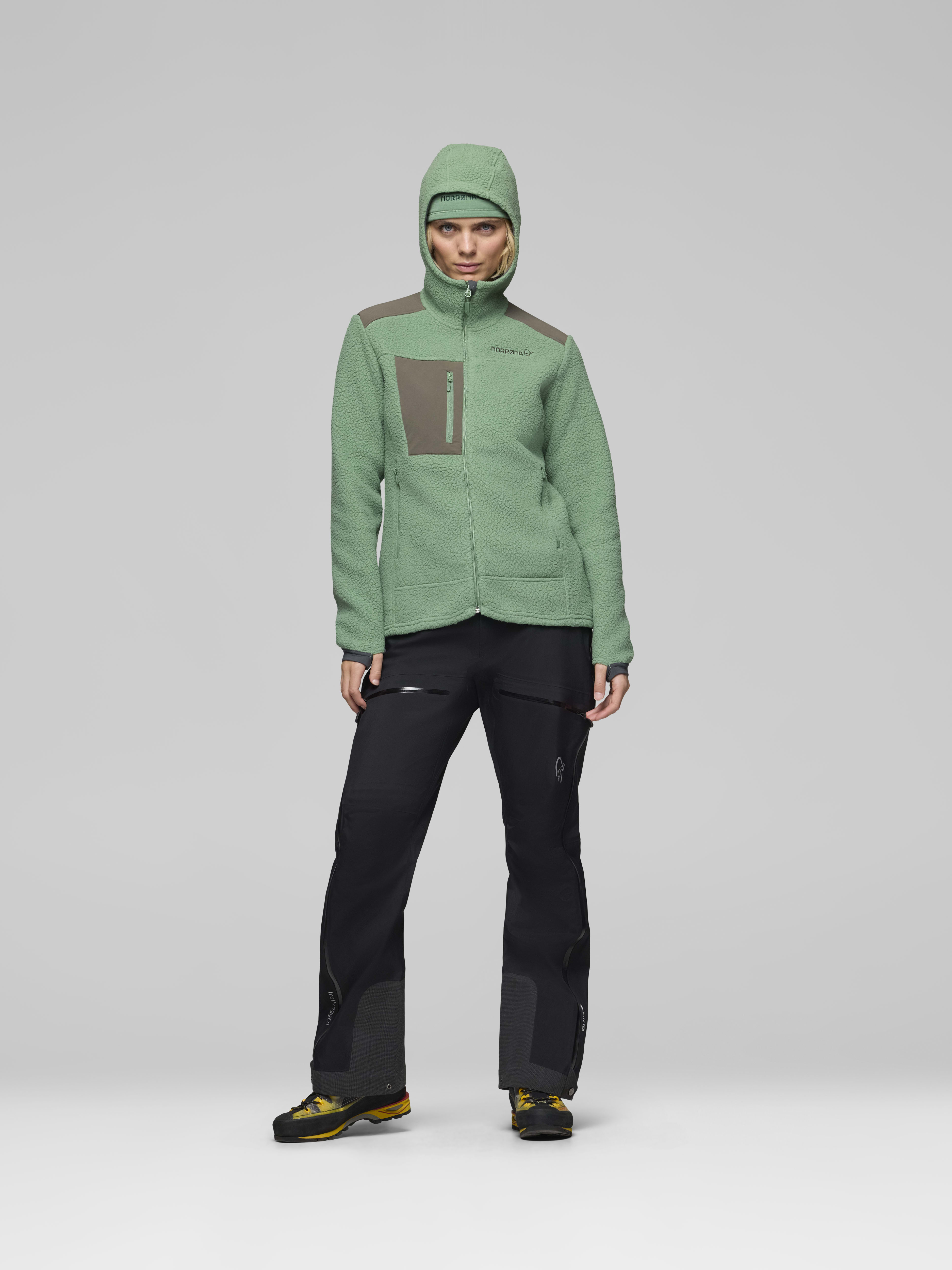
If additional insulation is the priority, the trollveggen warm3 Zip Hood provides the highest warmth-to-weight ratio among Norrøna fleece garments. It is designed for demanding mountain environments where warmth takes greater priority than maximum breathability.
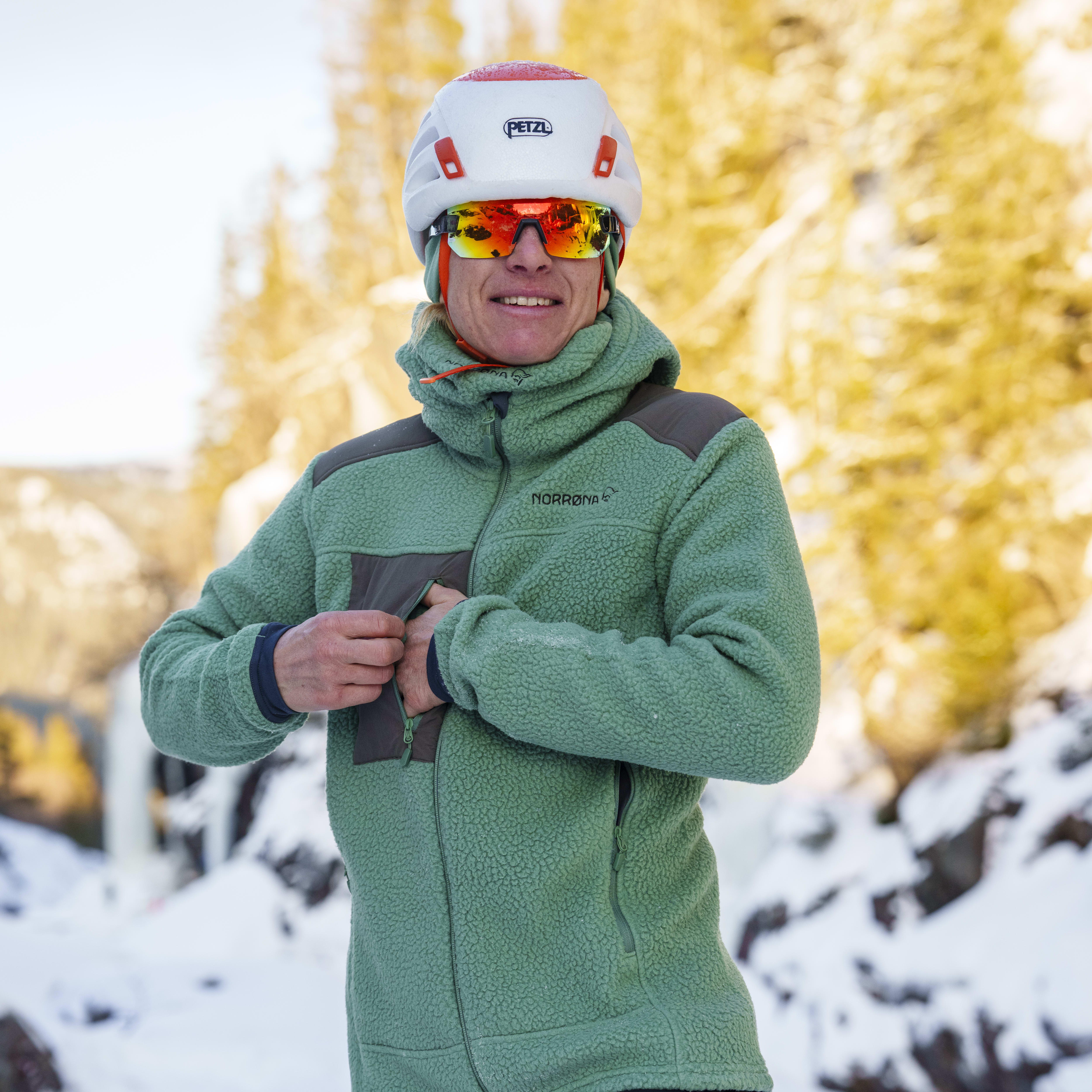
If additional insulation is the priority, the trollveggen warm3 Zip Hood provides the highest warmth-to-weight ratio among Norrøna fleece garments.
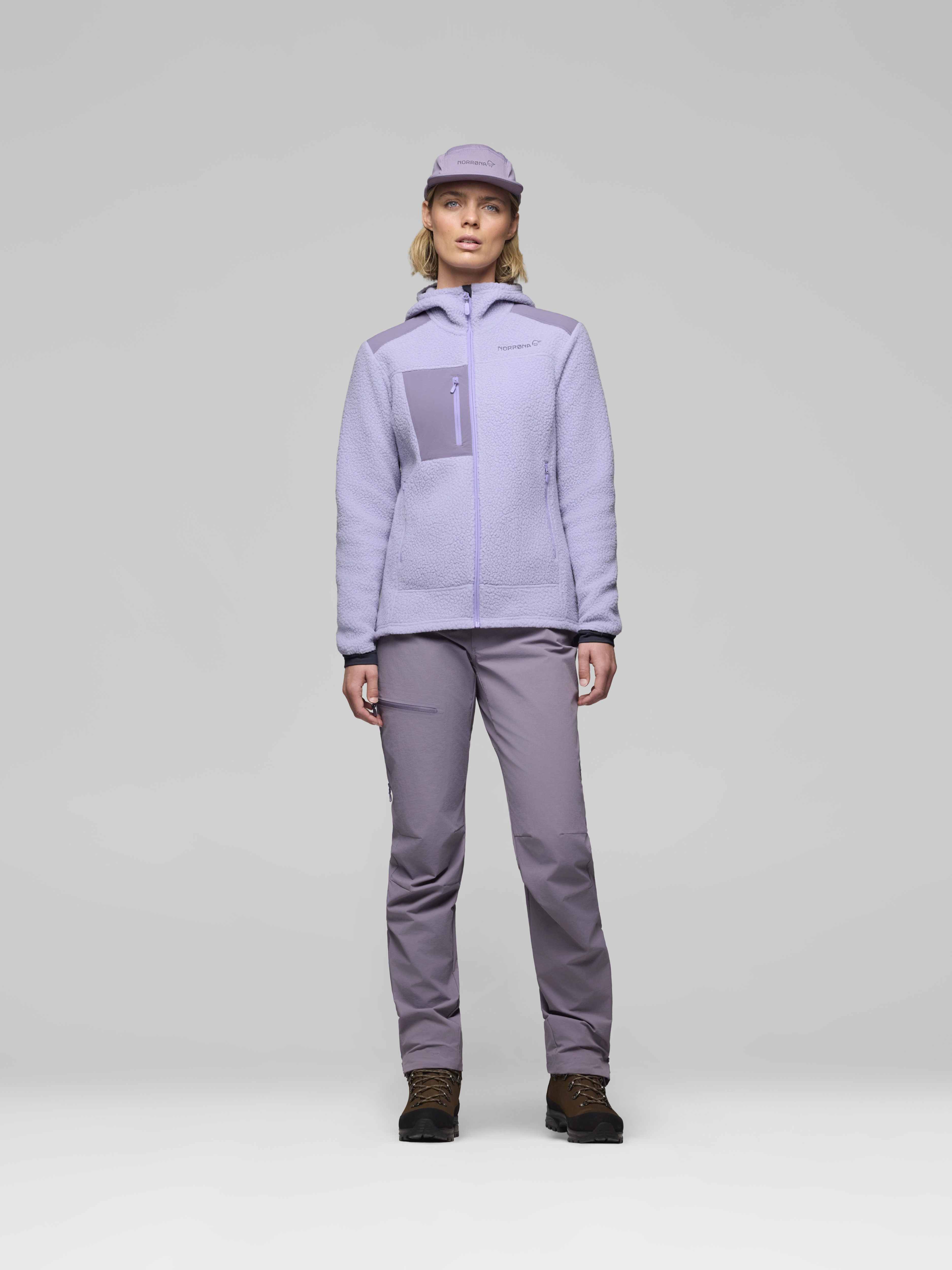
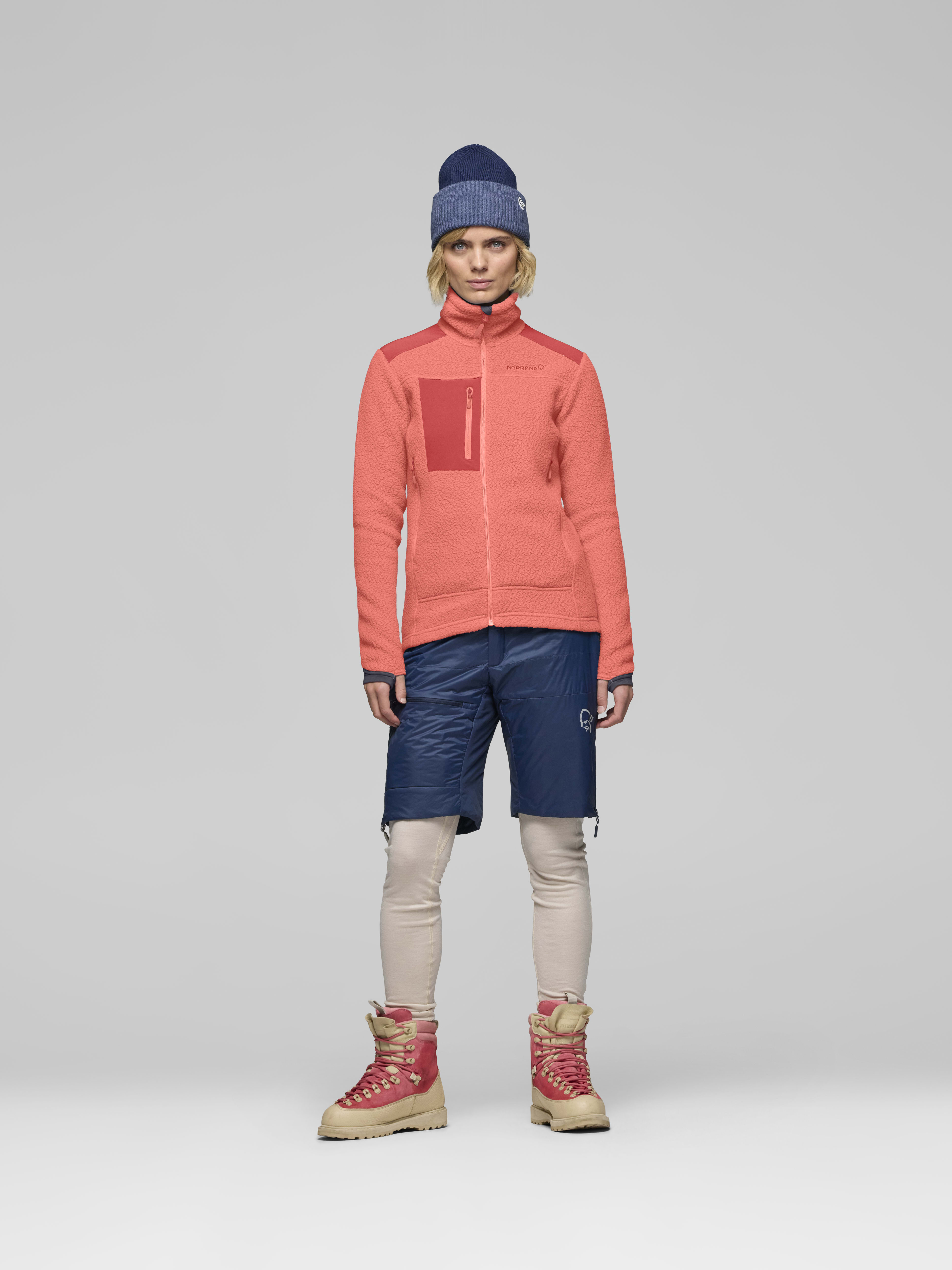
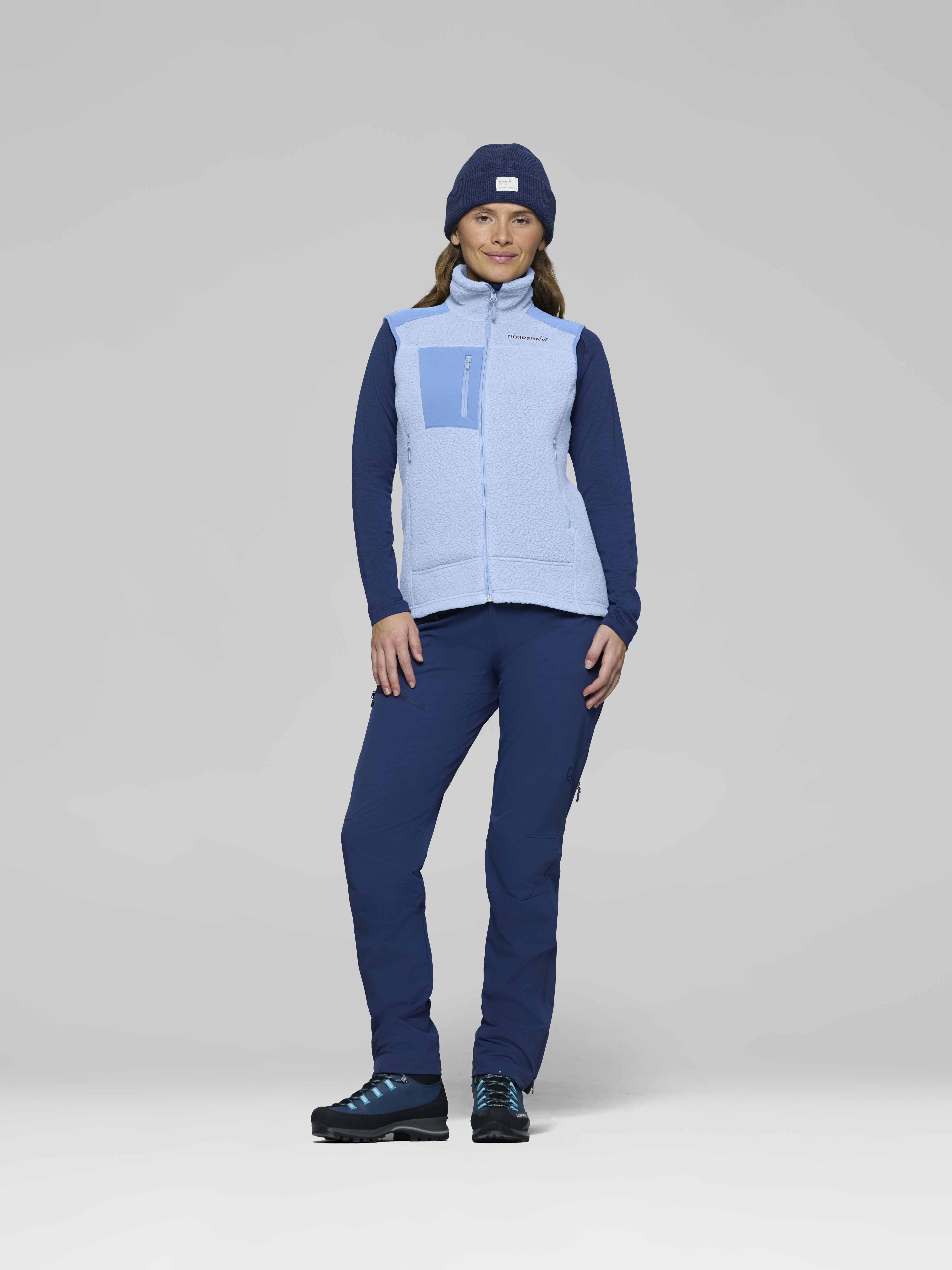
Skiing & Snowboarding
Primary challenge: Matching insulation to very different activity levels
Ski touring and lift-served skiing can place almost opposite demands on a fleece layer. Touring involves sustained climbs and high heat production, while lift-served skiing typically includes longer periods of lower activity and greater exposure to cold.
A fleece that feels ideal during a long ski tour may provide too little warmth for lift-served days, while a warmer fleece designed for the resort can quickly become too warm on sustained climbs. If you want a versatile starting point for skiing and snowboarding, the lofoten warm2 collection balances warmth, comfort and freedom of movement for long days on snow.


Everyday Outdoor Life
Primary challenge: Versatility across different uses
Not every fleece spends its life in the mountains. Forest walks, cabin weekends, travel and everyday use often place greater value on comfort and versatility than highly specialised performance.
The femund warm2 Jacket is designed around this broader range of use and provides additional warmth for cooler conditions and year-round outdoor use.


What Matters Most After a Full Day Outdoors?
Technical specifications can help you compare fleece garments. After several hours outdoors, however, the characteristics you notice most are often the ones that influence how effectively the fleece manages heat, moisture and movement throughout the day.
Breathability becomes increasingly important during sustained movement. A fleece that allows excess heat and moisture to escape efficiently can remain comfortable across a wider range of activity levels than one that simply provides more insulation.
Layering compatibility can significantly increase the versatility of a fleece. A fleece that sits comfortably beneath a shell or insulation layer without restricting movement or creating unnecessary bulk can remain useful across a wider range of conditions.
Drying time becomes important as moisture accumulates during activity. A fleece that dries relatively quickly after perspiration can return to a more comfortable state sooner as activity levels and conditions change.
Freedom of movement becomes particularly noticeable while scrambling, climbing or moving with a backpack. Stretch fabrics and a well-designed fit allow the fleece to move naturally with the body rather than becoming restrictive during more technical movement.
Functional details such as pocket placement can have a surprisingly large impact on everyday usability. Pockets that remain accessible beneath backpack straps, harnesses or other layers are often more useful than their size or number alone might suggest.
The features that seem minor in a shop often become the ones you appreciate most after a full day outdoors.
Common Mistakes When Choosing a Fleece
One of the most common mistakes when choosing a fleece is focusing on temperature rather than activity level. It's easy to assume that a warmer fleece is always the better choice, but sustained movement can generate enough body heat that breathability becomes just as important as insulation.
Another common mistake is choosing a fleece without considering how it will work with the rest of your clothing system. A fleece that feels comfortable on its own may behave differently beneath a shell or insulation layer, making fit, bulk and breathability important considerations.
Finally, don't assume that a fleece developed for one activity can only be used for that purpose. Fleece garments often move easily between mountain activities, travel and everyday outdoor life.
Choose the fleece that best matches how you typically move outdoors, not simply the coldest conditions you expect to encounter.
Make Your Fleece Last Longer
Regular washing, timely repairs and appropriate care can help preserve the comfort, breathability and performance of fleece and keep it in use for longer.
→ Learn more about Care & Repair
→ How to Extend the Life of Outdoor Clothing
How Do You Choose the Best Fleece?
The goal isn't to find the warmest fleece. It's to find the one that best matches how you move outdoors.
Start by considering how much heat you typically generate during activity, then look at the conditions and activities you encounter most often. High-output movement may favour greater breathability and lower insulation, while colder conditions and lower activity levels increase the value of warmth.
There is no single fleece that performs best in every situation. The right choice is the one that balances warmth, breathability and versatility around the way you actually spend time outdoors.
The best fleece isn't necessarily the most technical one. It's the one you'll keep reaching for season after season.