
Text: Eivind Eidslott
Photos: Bjørn-Eivind Årtun, Ole Ivar Lied
First published: Norrøna Magazine, Expedition Issue, Fall 2023
Two good friends found a spectacular ice line in Patagonia. The first ascent of the Venas Azules route on Torre Egger received international attention – and was nominated for the prestigious Piolet d'Or climbing award.
“Not many people saw a new, natural climbing line in the south wall of Torre Egger. But with Bjørn-Eivind's unique perspective – and his lack of fear of trying new things – this was an opportunity which we just had to try.”
The experienced Norwegian mountaineer Ole Ivar Lied reminisces back to 2011 and a climbing expedition to Patagonia together with Norrøna ambassador and alpine climber Bjørn-Eivind Årtun.
They both had extensive experience from this legendary mountain area in the far south of South America. They had both climbed a lot on ice and snow – all over the globe.
And they were both eager to do something new.
Exploring unfamiliar, vertical terrain.
Climb a route no one had climbed before.
“We went to Patagonia and the village of El Chaltén in December 2011”, says Lied.
“Just before Christmas, we got a small weather window and climbed up on a forepeak to the well-known mountain Fitz Roy. When we came back down from this trip and checked the weather forecast, we saw that a high pressure was heading towards our mountain massif. We were quite tired, and really needed a few days of rest, after the Fitz Roy climb.”
“But then we devoured some hearty portions of local beef and tossed around, again. I remember we went into the Torre Valley on Christmas Eve. After a short night in the tent, we started the climb at 03:00 – the night before Christmas Day.”
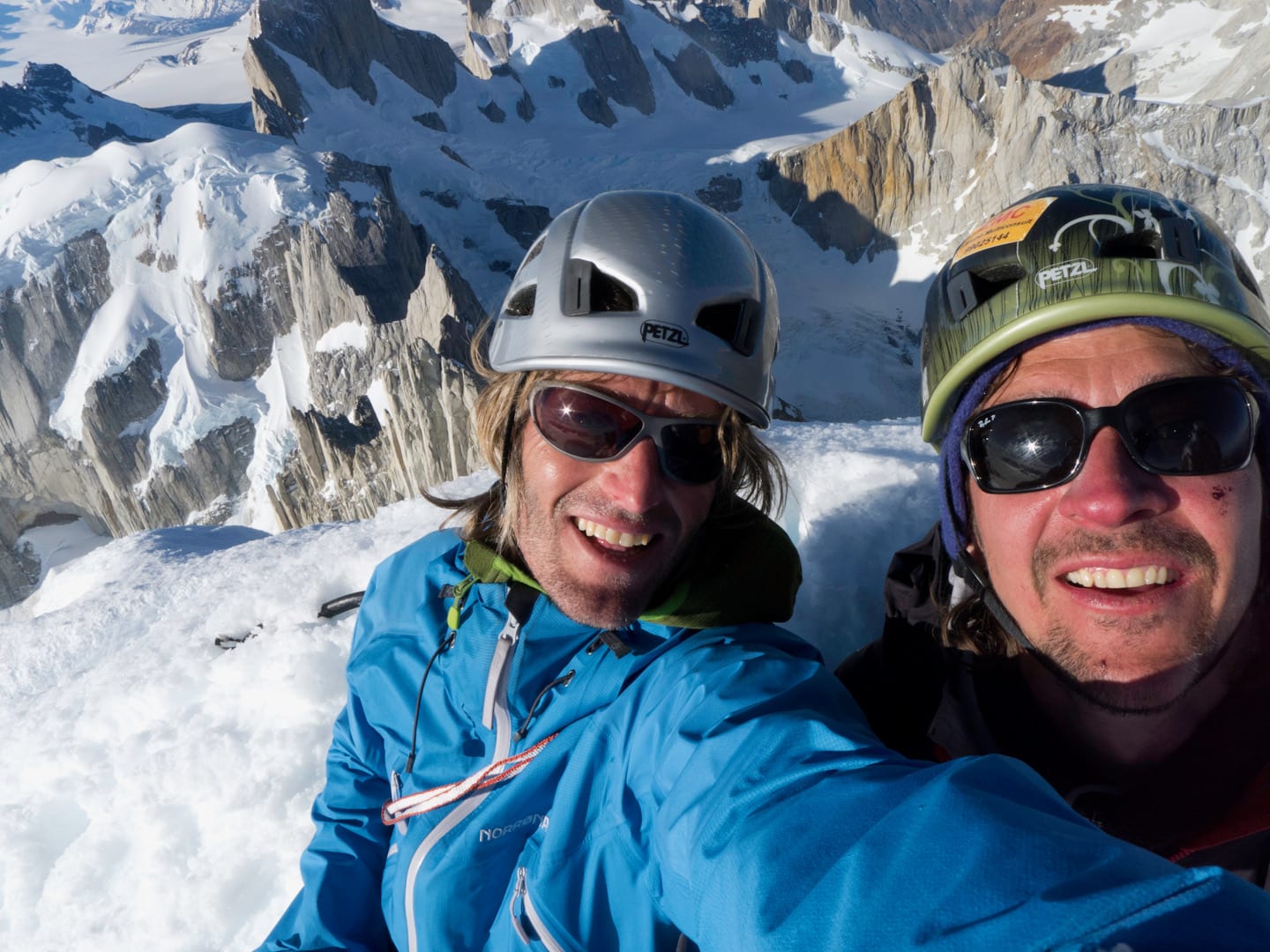
The two comrades brought only the most necessary: two climbing ropes. Ice axes. Crampons. Safety equipment. Some food. Only one pair of sport climbing shoes. A small bivouac bag. When the sun rose, they could study the wild line further up. “It was a powerful sight," says Lied.
“I have never seen anything like it anywhere else in the world. Large and small ice formations had some way stuck to the smooth rock face, only with the help of weather, wind and differences in temperature. Our idea was to follow a thin vein of ice to the top. We called the line The Blue Vein – or Venas Azules in Spanish. The challenge was that it was by no means pure ice that we encountered. The outermost layer consisted of a porous layer of snow – which was difficult to climb on, and even more difficult to belay in.”
“But we just went at it – climbing one rope length after another. At one point I remember saying to Bjørn-Eivind: ‘We must not get stuck up here! That won't work. Here is nothing to put up a belay anchor in. And it will be impossible to climb back where we came from!’”
"I said that as a sort of warning to both of us. Still, we just kept going. Up, up, up. We both had good buoyancy on this climb.”
Ole Ivar says that they "sometimes" could dig into good ice and screw in some ice screws as mobile back up points. Shortly afterwards, he says that "many of these ice screws probably had more of a psychological function than a security function."
"We must not get stuck up here! That won't work. Here is nothing to put up a belay anchor in. And it will be impossible to climb back where we came from!”
During the whole climb, they knew that the ice was just glued to the rock face.
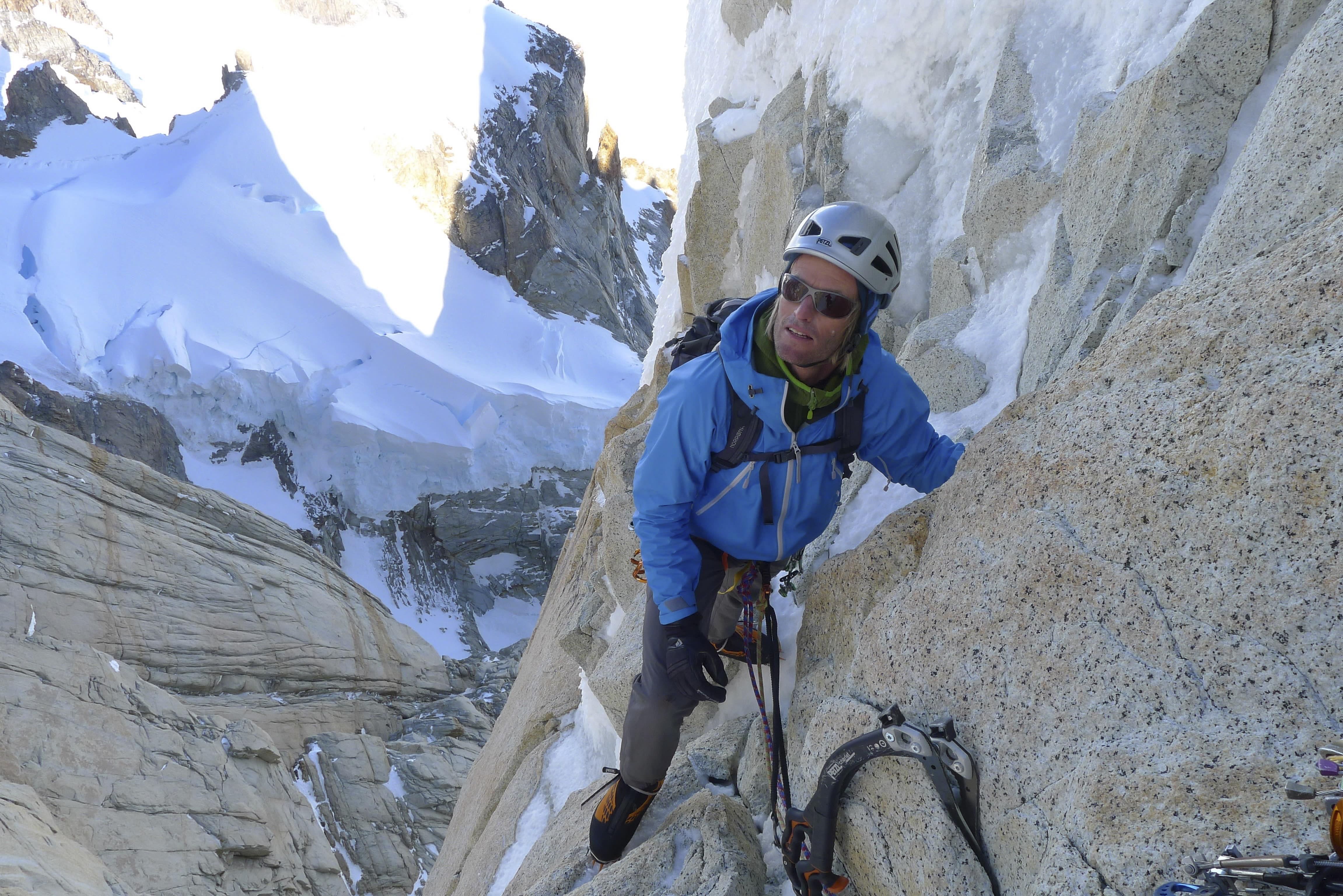
On the first, long day, they climbed up to the Egger-Torre Col – the pass between the summits Cerro Torre and Torre Egger. They then squeezed into the tiny bivouac bag and tried to get a few hours of sleep.
On day two, Årtun and Lied climbed further up and finally reached the top of Torre Egger in the afternoon. Up there, 2,685 meters above the Pacific Ocean, the two climbers were painfully aware that they were only halfway through their journey.
“We were very aware that it is the return that is often the most dangerous part of a climbing expedition” says Lied.
“Therefore, we chose to rappel down on a different side of Torre Egger than where we came up. We tried to take it easy and avoid stress. But we had to be creative – because there were an awful lot of abseils to get back down. Sometimes we drilled two small holes in the ice, threaded the rope through and used the ice for abseiling. Other times we found old slings and remnants of other climbers – and used these. We had to rappel almost all night, but fortunately got down safely."
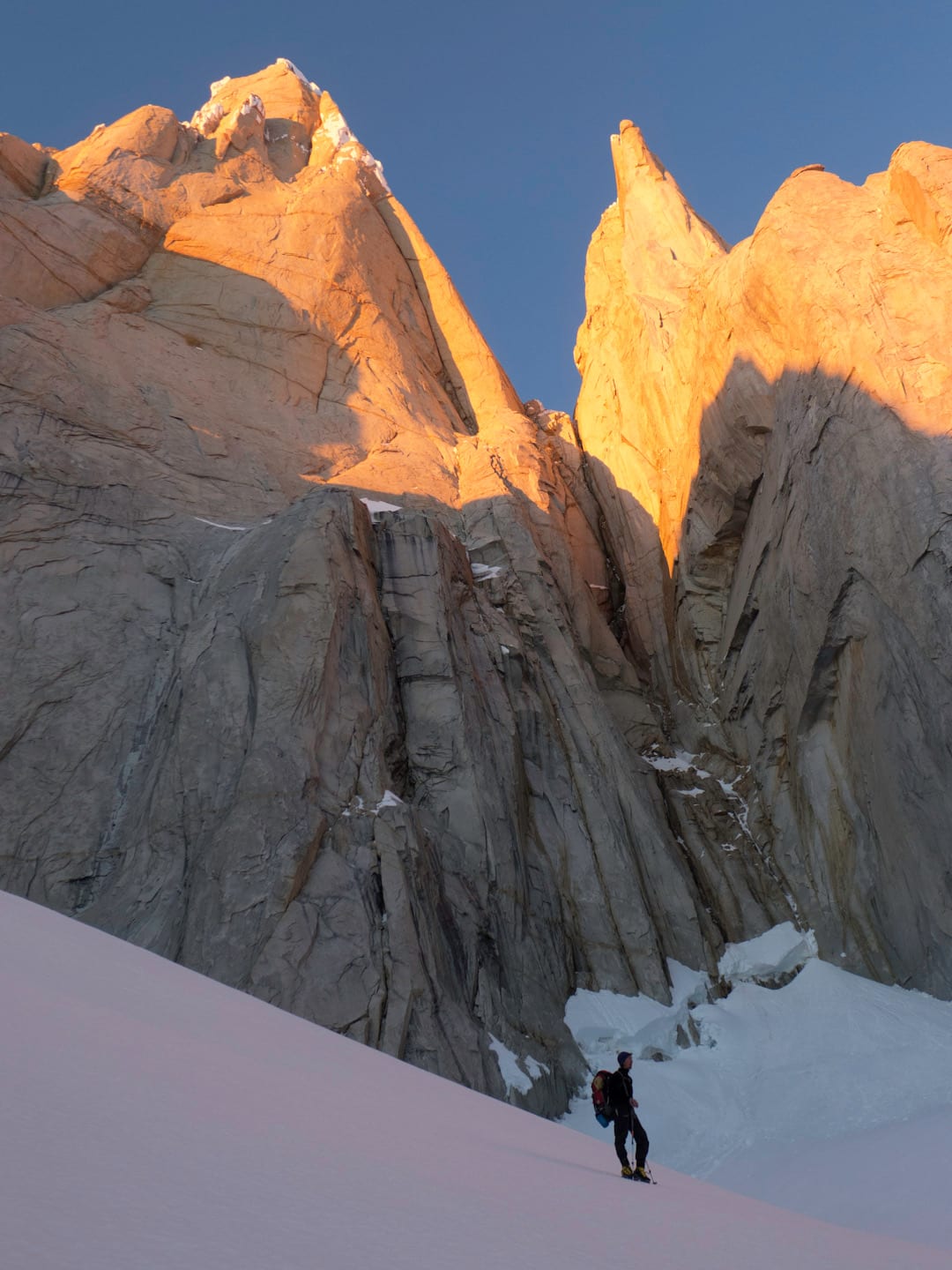
Later, Bjørn-Eivind Årtun asked if Ole Ivar would join him on an attempt to traverse the entire Torre peak massif “But then I had to go home to Norway to work", says Ole Ivar.
In February 2012 – just one month after the first ascent of Torre Egger – Bjørn-Eivind Årtun and his friend Stein-Ivar Gravdal died in a climbing accident on Kjerag, a famous mountain face in Norway.
A shock wave went through the entire Norwegian climbing community.
“It is said that the best people are taken from us – and that is what happened in this climbing accident," says Ole Ivar. “Bjørn-Eivind and Stein-Ivar were among the most experienced and visionary climbers in Norway. I – and many others – spent a long time finding our way back to the joy of climbing after this accident.”
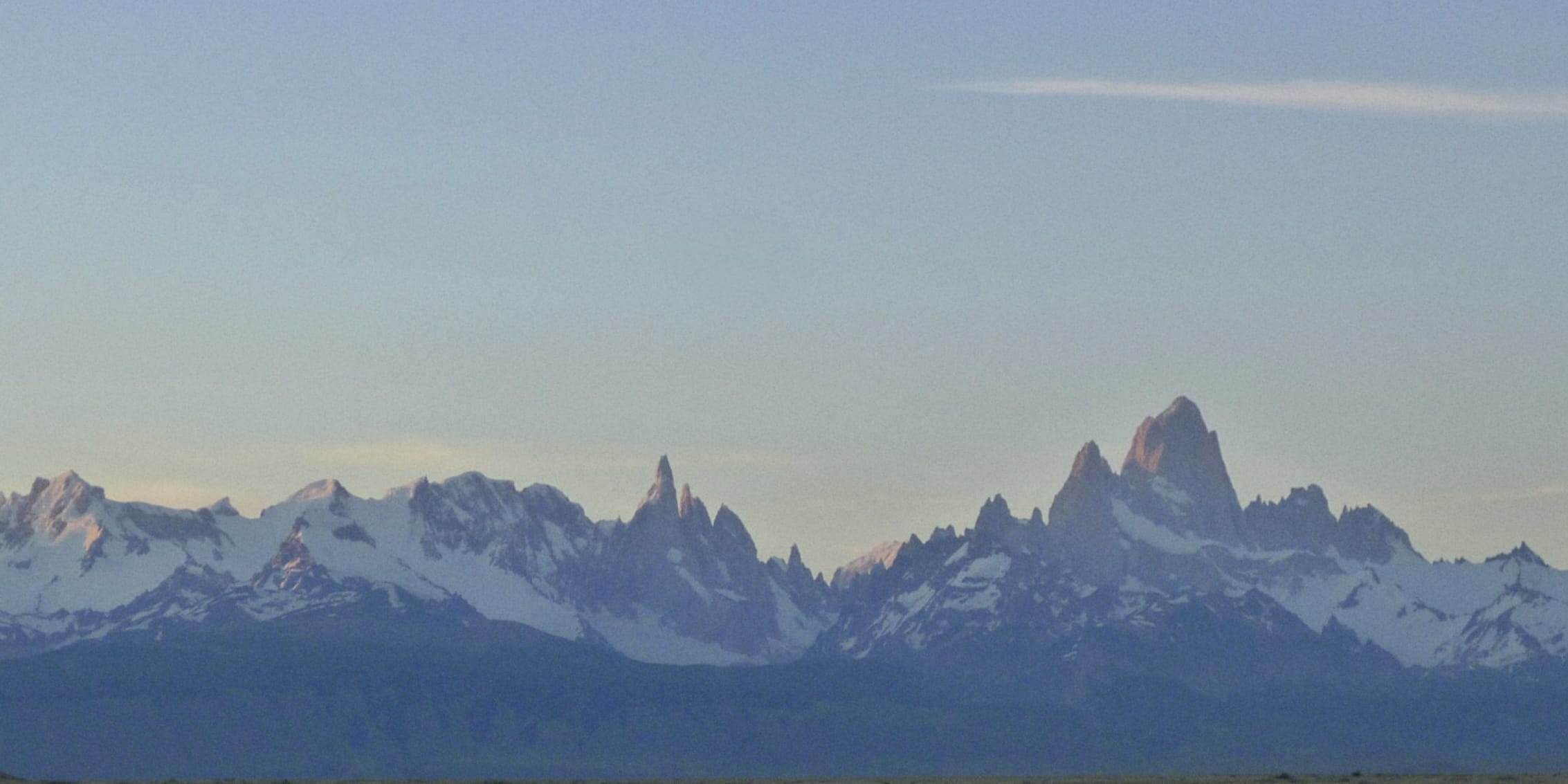
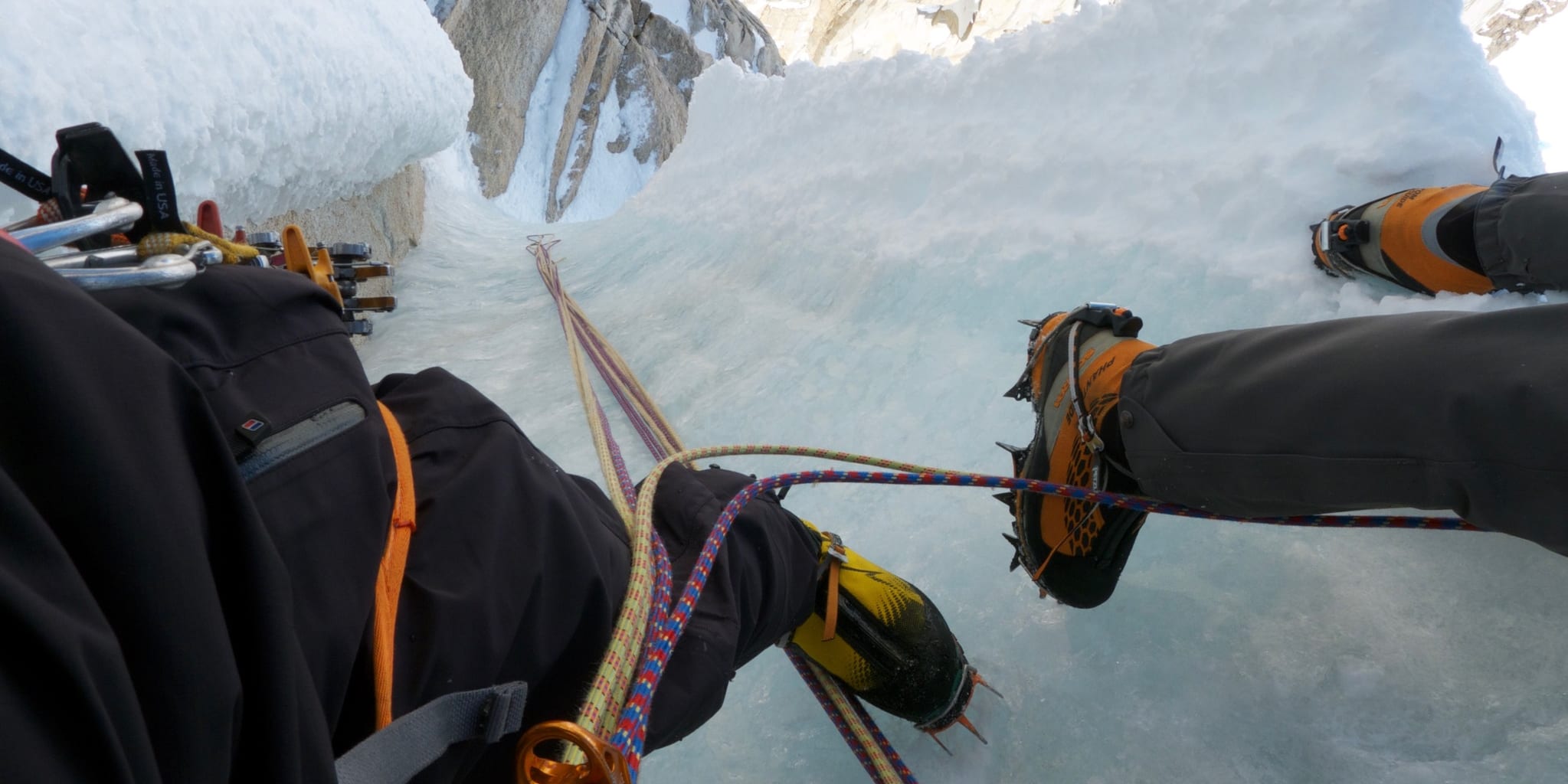
The climbing route Venas Azules was later nominated for the prestigious international climbing prize Piolet d'Or. Ole Ivar was invited to the awarding ceremony in Chamonix in France, but did not feel like participating.
“I did not want to travel to Chamonix and celebrate the nomination without Bjørn-Eivind. It became impossible for me," he says.
Today, many years later, Ole Ivar is left with many good memories from the Venas Azules trip:
“My biggest problem is, perhaps, that I only remember the good things from such climbing expeditions," he says. “I never remember the toil, the freezing, the worries, the risks, all the challenges we face along the way. I have what you might call a very selective memory. I guess that's why I'm still a mountain climber.”