
Text: Håkon Sollund
Photos: expedition members
First published: Norrøna Magazine, The Expedition Issue, Fall/Winter 2023
Stein P. Aasheim, Bjørn Myrer Lund and Gunnar Aksnes set out to climb the south wall at the highest summit in North America.
“We were gone for long stretches of time, and there were obvious risks involved, but I don’t recall my parents ever being worried."
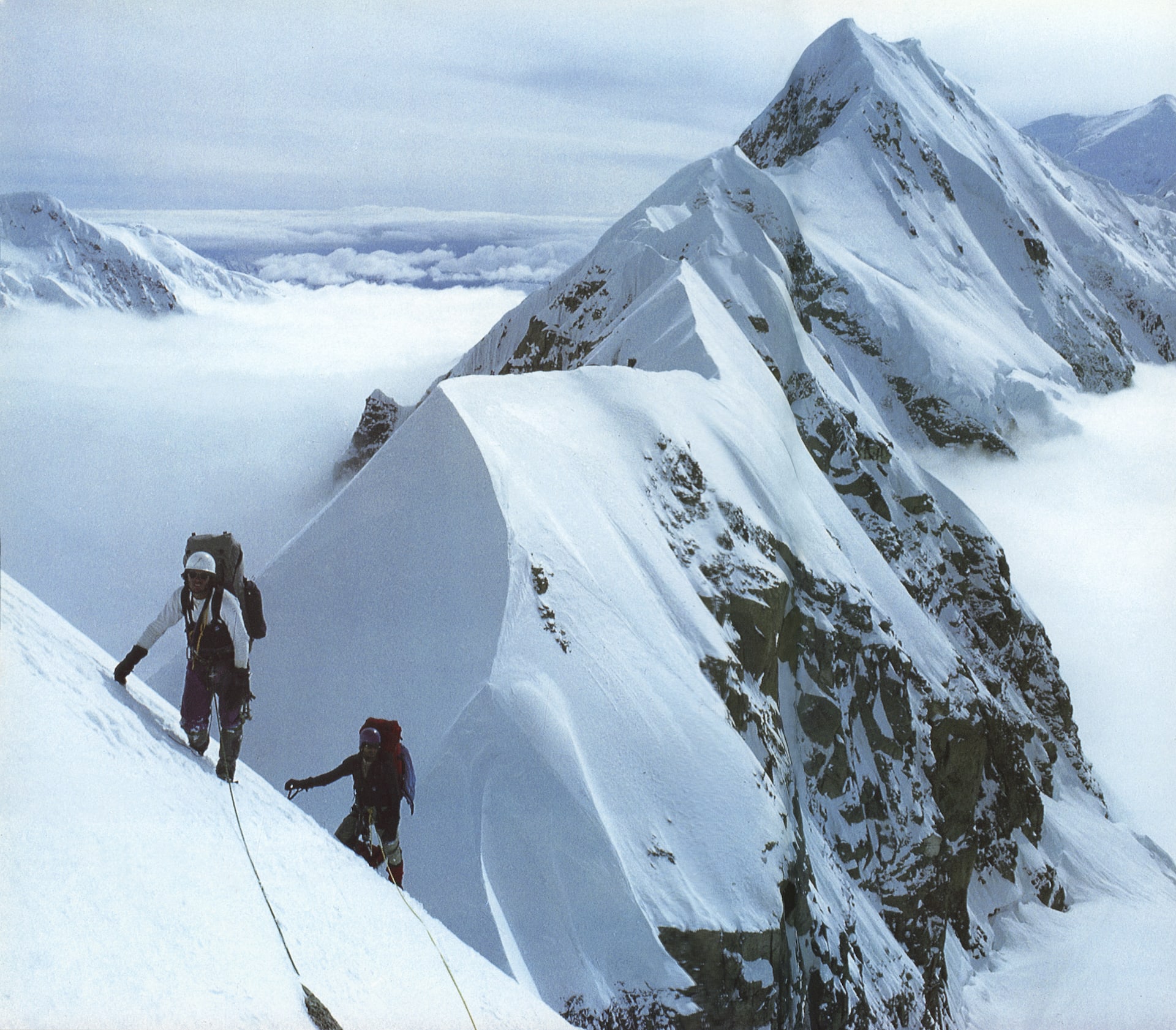
Denali was irresistible to the three friends Stein P. Aasheim, Bjørn Myrer Lund and Gunnar Aksnes, and they weren’t exactly meticulous about acclimatization. They would regret it – at least after thinking about it for 40 years.
“In 1983, this was an ambitious project, considering our level of experience. There was a formidable rise in elevation, but we weren’t easily spooked back then. This was our first experience with thin air and how much altitude reduces you,” says Aasheim.
Stumbling across the glacier
The usual symptoms of altitude sickness set in: headache, insomnia and lack of appetite. Plus, a bit of clumsy stumbling on the glacier. In his book Stein Ps Eventyrlige Reiser (Stein P.’s Adventurous Travels), he describes the situation:
"The fact that I untied myself from the rope at the campsite was most likely due to a lack of oxygen dulling my judgment. After two steps, I went through a snow bridge and was left hanging by my arms. I got up and took two more steps and fell through again. Then I tied myself onto the rope and didn't go through any more cracks."
The wisdom of hindsight
In other words, altitude sickness grabbed Stein P. Aasheim and led him astray. There and then, they saw little drama in the whole thing. Now he takes a different view.
“I have thought about it often since then. How close to the end was I, and how close have I been since? How much luck have I really had? It was a situation that could easily have been fatal. I could just as well have vanished into that crevasse. When you are completely exhausted, as you are in thin air, it’s easier to make mistakes. Denali was an important reminder of that,” he says. “But otherwise the trip went well!”
Willingness to take risks
Aasheim says that the willingness to take on projects without having any idea of the consequences was different back then.
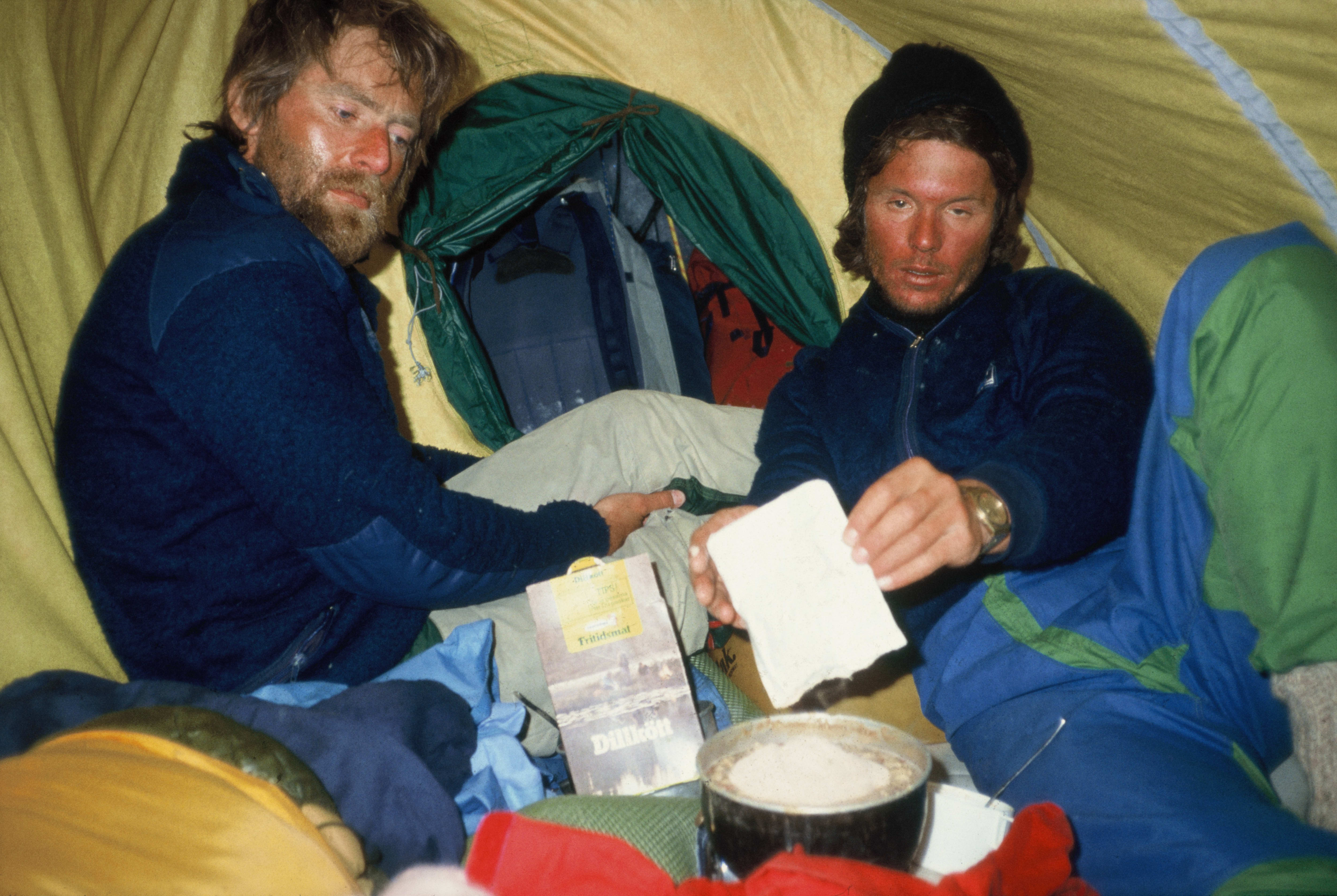
“Of course, that was something we thought about. We used the latest and most modern equipment and aids available, so we felt well prepared. But we had no idea about the topography, barely any route descriptions, no possibilities for rescue – there was no way to communicate with the outside world, things like that,” he says.
A postcard was good enough
“I see that we are sometimes compared to a variety of others: climbers, expedition groups and trekkers," he says. “But I don't think that comparison is quite fair, since we ended up somewhere else on the toughness scale. The times were just way different, and the vibes were different.”
Many years ago, Aasheim asked his mother if she was worried when he went on an expedition, such as to Denali. Basically, she wasn't.
“We were gone for long stretches of time, and there were obvious risks involved, but I don’t recall my parents ever being worried. They’d say, ‘we got a postcard from Alaska two weeks ago, so we know where Stein is.’ My own daughter once was backpacking through South America, and if I didn't get a text message every single day, I’d flip out.”
A reason to travel
Aasheim says that he never really thought about needing a reason to go on an expedition, until a journalist asked the question for the first time.
“So I had to come up with one,” he laughs. “And as you get older, you start to ponder. You start climbing and scrambling because you think it's fun and challenging, without thinking about the joy of mastery or other such ideas. You don't need to know why you enjoy being in the mountains. Simply enjoying it was good enough.”
The comfort zone is shifting
“Having said that: If you live a life characterized by consistently finding yourself outside your comfort zone, maybe that becomes your comfort zone,” he says.
For him, it all started with walks in the woods and solo hikes in the mountains that got longer and longer – a process that never really stopped. Eventually, he managed to make a living through writing.
“And then I ended up on an inclined plane and never got back on the level track again,” he laughs. “It's the fact that you get to sharpen your skills about things that are demanding, challenging and uncomfortable at the time –with no guarantee of success – that is so satisfying. It doesn't have to be life-threatening, but there must be a risk of not being successful. I thrive in that borderland,” he says.
"If you live a life characterized by consistently finding yourself outside your comfort zone, maybe that becomes your comfort zone.”
Friendship and risk
“The camaraderie is, of course, also important,” Aasheim answers when asked what made him travel halfway around the globe to climb in Alaska. “As for Denali, Gunnar and Bjørn, we had climbed a lot together and were part of a small community around the Kolsås peak in Oslo. You need the right chemistry with people whom you are going to spend many long days and nights together with in a tent. But – and this is probably the most important – you have to assess risk in the same way,” he says.
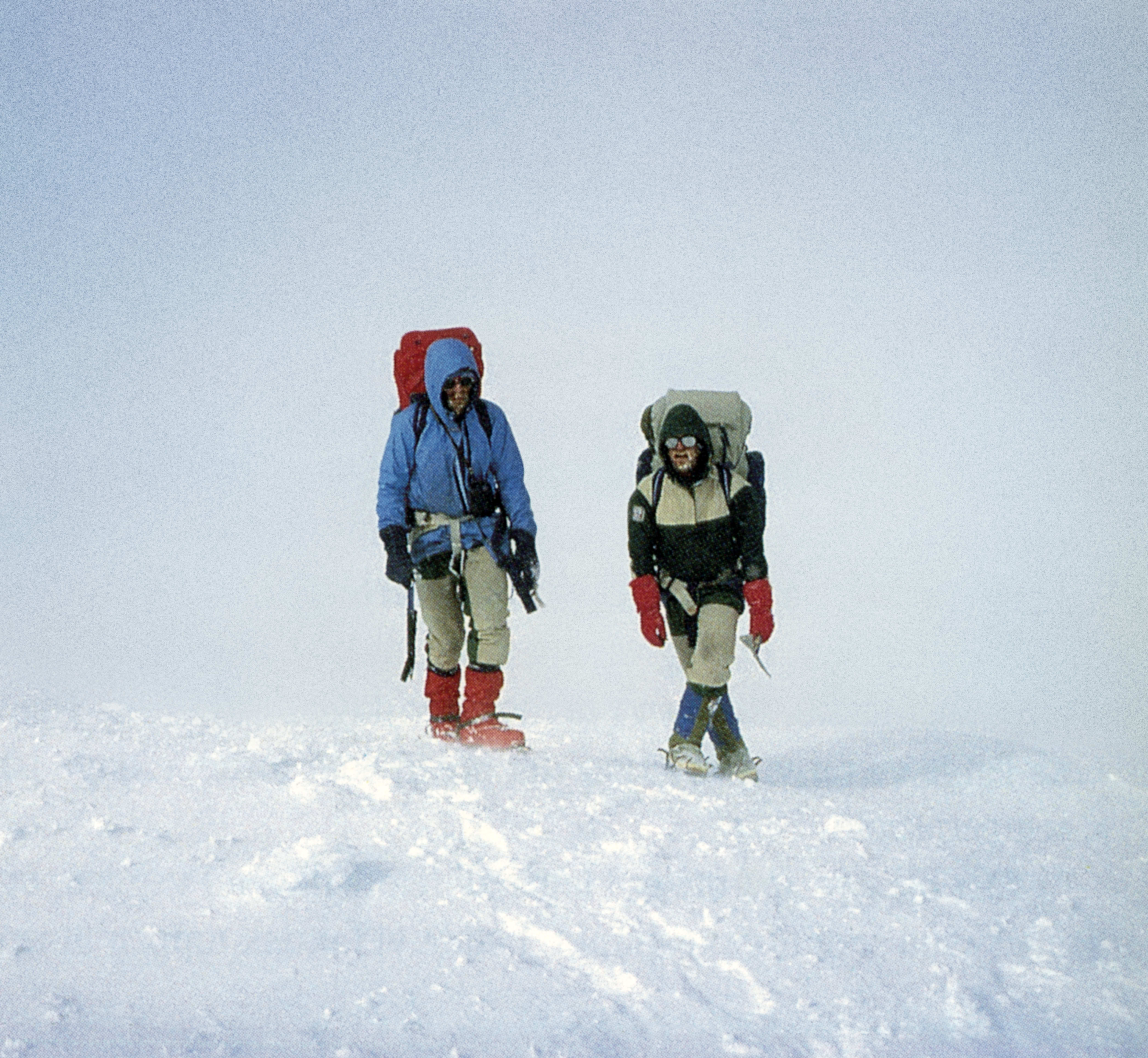
“You don't necessarily have to be equal in experience or physical condition. But it is important that no one is nervous, and thinking that things are too risky, while the others think there is a lot to go on and laugh off the risks. That is problematic.”
The mountain in and of itself
There was one thing they all agreed on: Denali was a beautiful mountain and it had to be climbed. “It is a 3,000 meter high, massive wall, a beautiful route, with the Cassin pillar up the middle. So it's not just about the challenge, but also about the aesthetic lines of the mountain. There is certainly a pull towards the mountain itself. Towards the nice climbing route.”