
Published: Sep 29, 2026
A practical guide to weather protection, breathability and versatility—based on decades of testing shell systems in changing mountain conditions.
Shell jackets are often bought for storms. In practice, they're chosen for everything in between.
Choosing the right shell means understanding how you actually spend time outdoors. Weather protection, breathability, durability, weight and mobility all involve trade-offs, and different activities shift the balance between them.
This guide will help you identify which characteristics matter most for your activity and choose a shell jacket designed around those demands.
Start With How You Spend Time Outdoors
It's easy to begin by comparing waterproof ratings, membranes and fabric technologies. A better place to start is with a simpler question:
What will you actually use your shell jacket for?
A shell used primarily for long ski touring climbs needs a different balance of breathability and protection than one used for freeride skiing or exposed alpine climbing. Hiking and general mountain travel often place a higher value on versatility across different conditions.
As exposure increases, weather protection and durability tend to become more important. As activity levels increase, breathability, ventilation and low weight often become more valuable.
Start with the activity you spend most time doing. The specifications become much easier to interpret once you know what you need the shell to do.
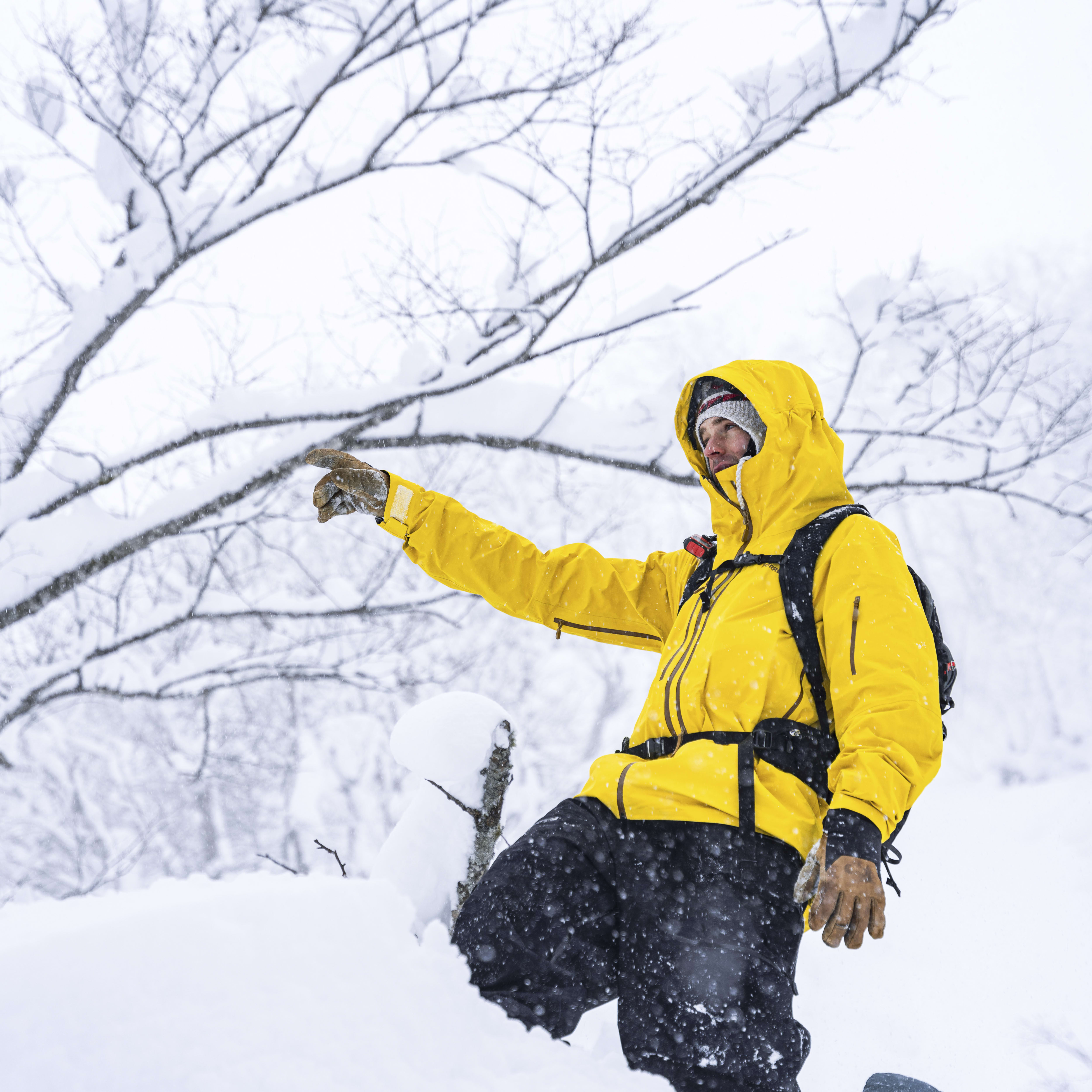
Choosing the right shell means understanding how you actually spend time outdoors. Weather protection, breathability, durability, weight and mobility all involve trade-offs, and different activities shift the balance between them.
If You're Looking for One Shell Jacket
Most outdoor users aren't looking for a different shell jacket for every activity. They're looking for one jacket that can handle hiking, mountain travel and changing weather throughout the year.
Versatility becomes particularly valuable when the same jacket needs to work across long periods of movement, exposed terrain and changing weather. The goal is not to maximise a single characteristic, but to find a useful balance of protection, breathability, durability and mobility.
The falketind Gore-Tex Jacket was originally developed for mountaineering, but its balance of weather protection, breathability and mobility makes it a versatile choice across a broad range of mountain activities. Choose the falketind dri1 Jacket when lower weight and packability are higher priorities than durability.
If hiking, mountain travel and general outdoor use make up most of your time outdoors, the falketind Gore-Tex Jacket is often the most natural place to start.


When Activity-Specific Design Matters
Some mountain activities place very specific demands on a shell jacket. As those demands become more specialised, the balance between weather protection, breathability, durability, weight and mobility shifts as well.
Ski Touring
Primary challenge: Managing heat during long climbs without sacrificing weather protection
Ski touring combines sustained movement with periods of lower activity and exposed descents. Breathability, ventilation and mobility therefore become particularly important alongside dependable weather protection.
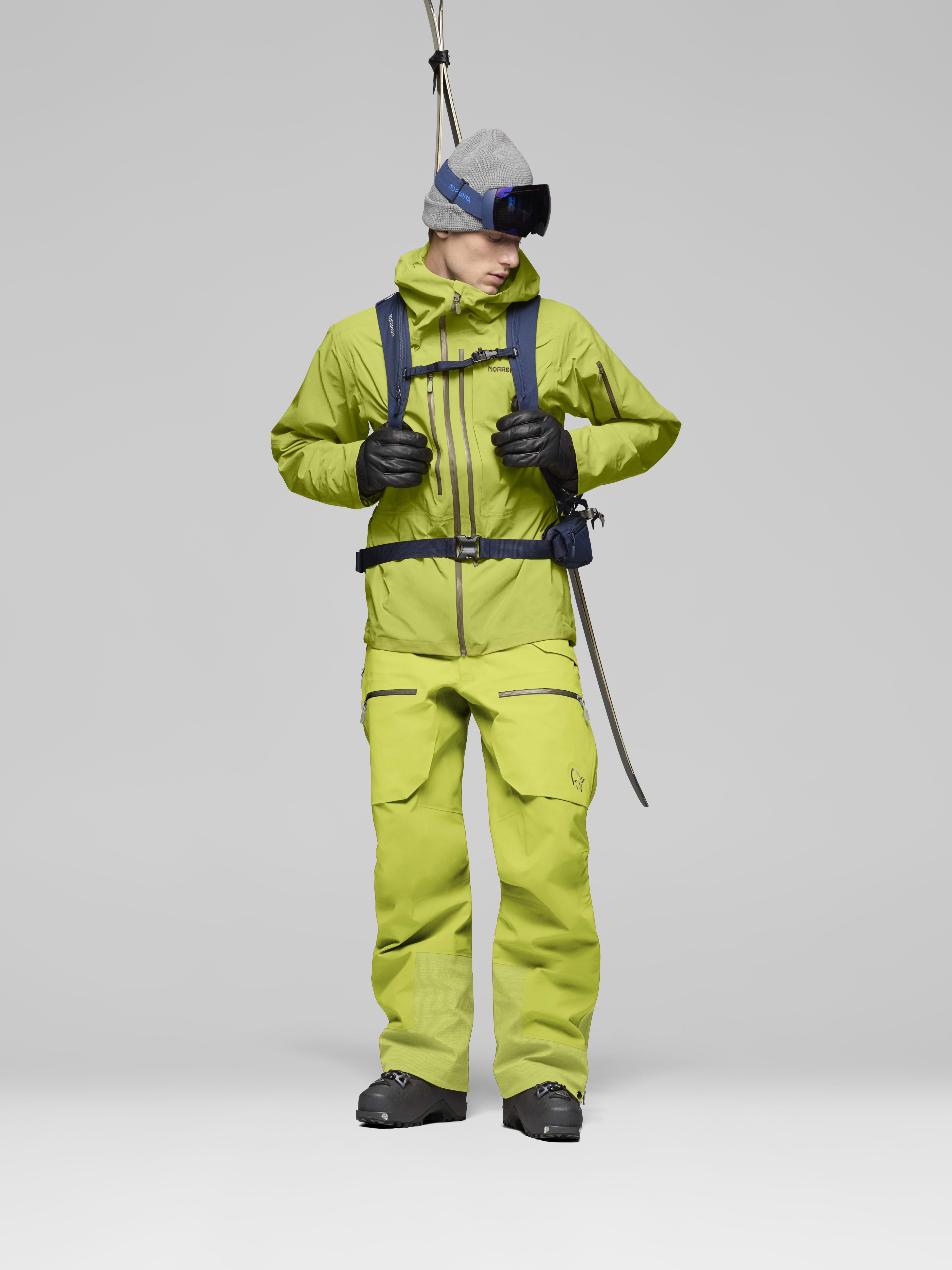
If you spend most of your time ski touring, the lyngen Gore-Tex Jacket is a natural starting point. It is designed around long climbs, low weight and efficient temperature management. The møre Gore-Tex Jacket shifts the balance towards greater protection and durability for skiers who combine touring with more freeride-oriented skiing.
→ What to Wear Ski Touring


Freeride Skiing
Primary challenge: Combining weather protection with durability and ski-specific functionality
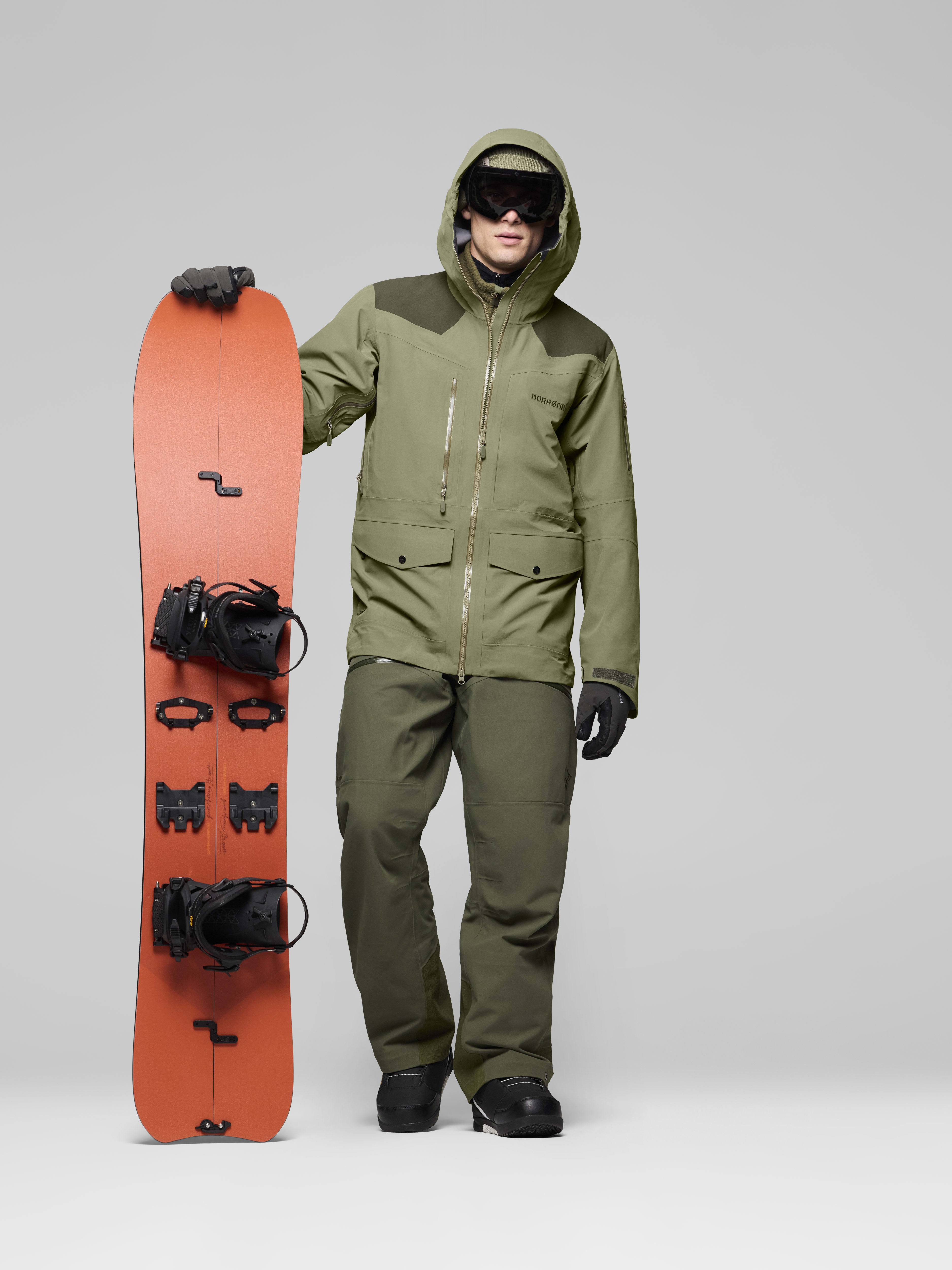
Freeride skiing often involves long days in winter weather, repeated exposure to snow and wind, and periods of relatively low activity between descents. Durability and weather protection become increasingly important, while features such as ventilation, storage and freedom of movement help adapt the shell to life on snow.
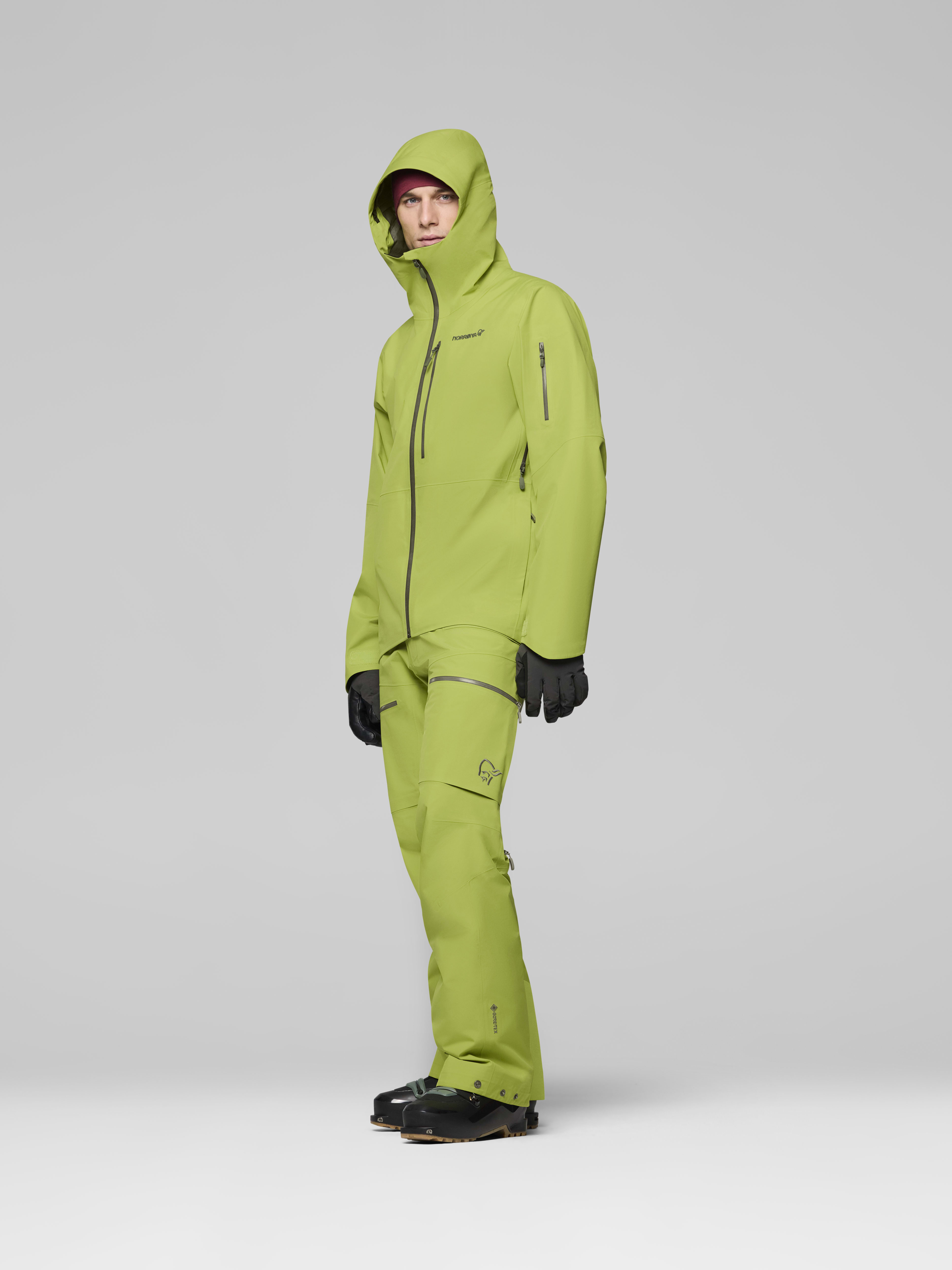
If your primary focus is freeride skiing, the lofoten Gore-Tex Jacket provides a versatile balance of protection, durability and functionality. The lofoten Gore-Tex Pro Jacket shifts the balance towards a more robust construction for skiers who regularly encounter demanding winter conditions.
The tamok dri3 Jacket takes a different approach, prioritising freedom of movement and a softer feel for skiers who value mobility alongside weather protection.
→ What to Wear Freeride Skiing

Alpine Climbing and Mountaineering
Primary challenge: Dependable protection during prolonged exposure
Alpine climbing and mountaineering place greater demands on a shell as exposure increases, terrain becomes more abrasive and retreat becomes more difficult. Weather protection, durability and freedom of movement are therefore particularly important when the garment needs to perform for extended periods in demanding mountain conditions.
If you are looking for a shell specifically for technical alpine use, the trollveggen Gore-Tex Pro Light Jacket is designed around the demands of climbing and mountaineering. It combines durable weather protection with the mobility and functional features required for technical movement in exposed terrain.


Trail Running
Primary challenge: Carrying weather protection with minimal weight and interference
Trail running generates substantial heat and moisture while placing a premium on freedom of movement. A shell may spend much of the run packed away, making low weight and packability particularly important alongside breathability and protection when the weather changes.
The senja Gore-Tex Jacket is designed specifically around these demands. If trail running is your primary activity, senja provides a lightweight shell solution that prioritises movement, packability and protection without the additional durability and features required for more exposed mountain disciplines.
→ What to Wear Trail Running


What Specifications Don’t Tell You
The features that seem minor in a shop often become the ones you appreciate most outdoors.
Waterproofness is often the first thing people look at when choosing a shell jacket. After a season of use, other details tend to stand out.
Breathability is one of them. Most people notice waterproofness when the weather turns bad. They notice breathability every time the trail points uphill. Two shell jackets can offer similar weather protection while feeling completely different during a long climb simply because one manages heat and moisture more effectively than the other.
Freedom of movement is another characteristic that tends to become more important over time. Mobility rarely sells a shell jacket, but it often determines whether you enjoy wearing it after several hours outdoors.
A hood is easy to overlook in a shop, but much harder to ignore when the wind arrives. A well-designed hood improves comfort, visibility and protection. A poorly designed one becomes noticeable very quickly.
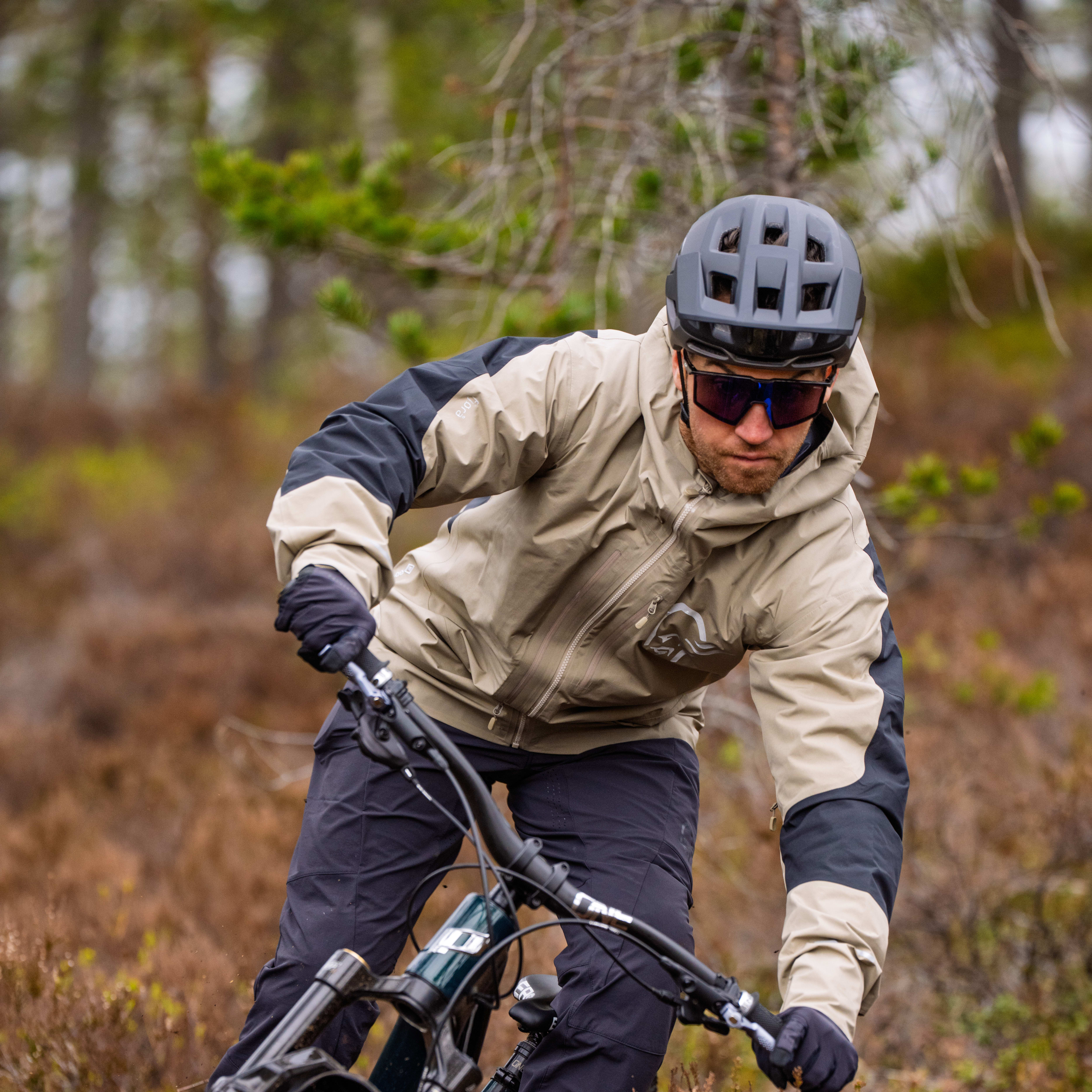
A lighter, more breathable shell may be the better choice for sustained movement, while greater durability and weather protection become more important as exposure increases.
Common Mistakes When Choosing a Shell Jacket
One of the most common mistakes is choosing more protection than the activity regularly demands. A highly protective shell can be the right tool for prolonged exposure, but additional durability and weather protection often come with trade-offs in weight, packability and comfort during movement.
Another mistake is comparing specifications without considering the complete garment. Waterproof ratings and membrane technologies matter, but ventilation, fit, mobility, hood design and pocket placement can have just as much influence on how a shell performs for a particular activity.
Choose for the demands you are likely to encounter. When the consequences of exposure are higher, build that additional protection into the decision.
Make Your Shell Jacket Last Longer
Regular washing, appropriate DWR maintenance and timely repairs can help preserve the performance of a shell jacket and keep it in use for longer.
→ Learn more about Care & Repair
How Do You Choose the Best Shell Jacket?
The best shell jacket is the one designed around the activity, conditions and level of exposure you encounter most often. Start with how you spend time outdoors, then decide how much weather protection, breathability, durability and weight that activity requires.
More protection is not always better. A lighter, more breathable shell may be the better choice for sustained movement, while greater durability and weather protection become more important as exposure increases. The goal is to find the balance that matches how and where you actually spend time outdoors.
Shell jackets may be bought with storms in mind. The right one is chosen around everything you expect to encounter along the way.