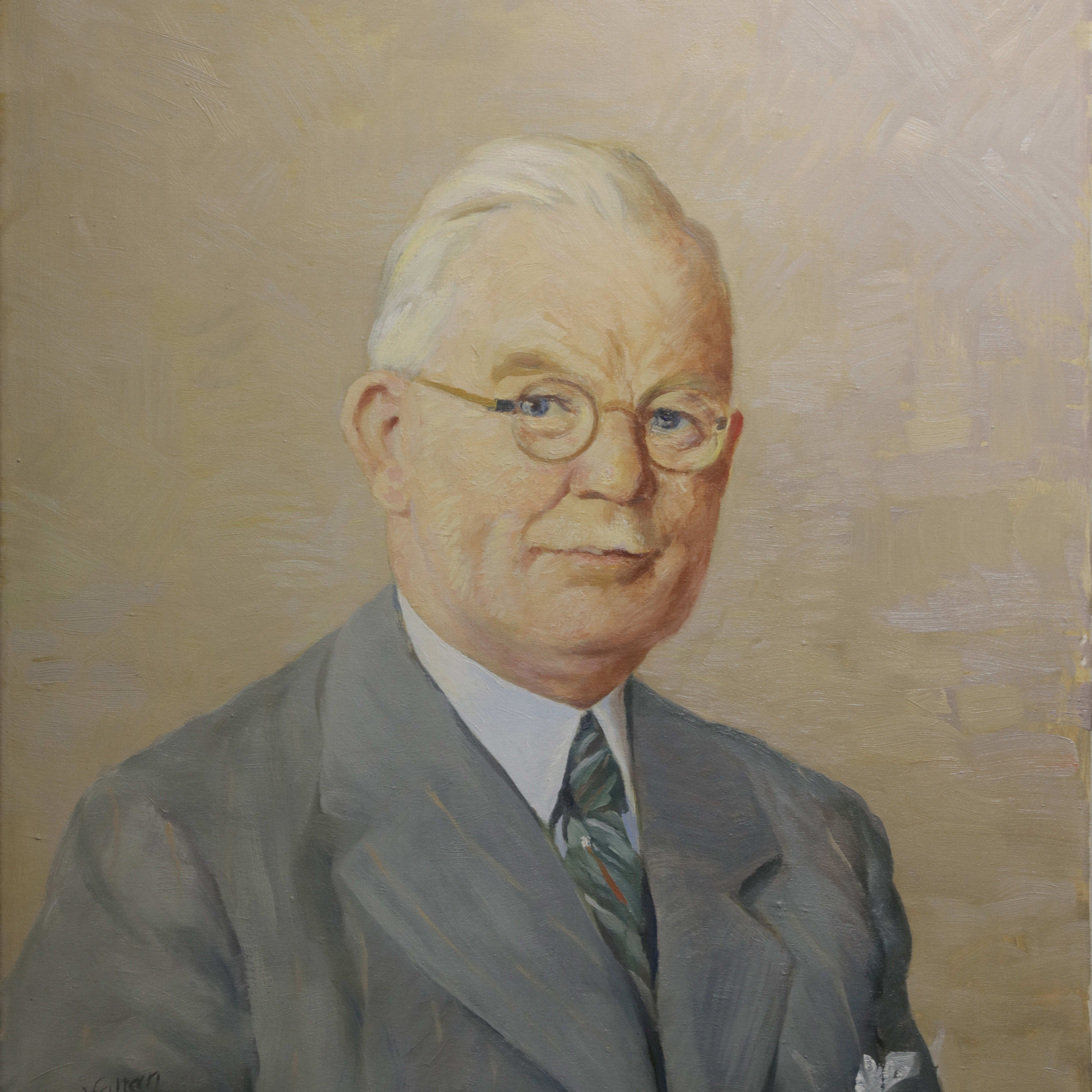
Bjarne Jørgensen, son of the founder Jørgen Jørgensen, took over the ownership and management of Norrøna in 1948.
In the post-war years, Norwegian outdoor life experienced significant growth. People in Norway's major cities gained better financial means and more leisure time – and often sought out nature. They ventured into the forests, local recreational areas (“marka”), and the high mountains.
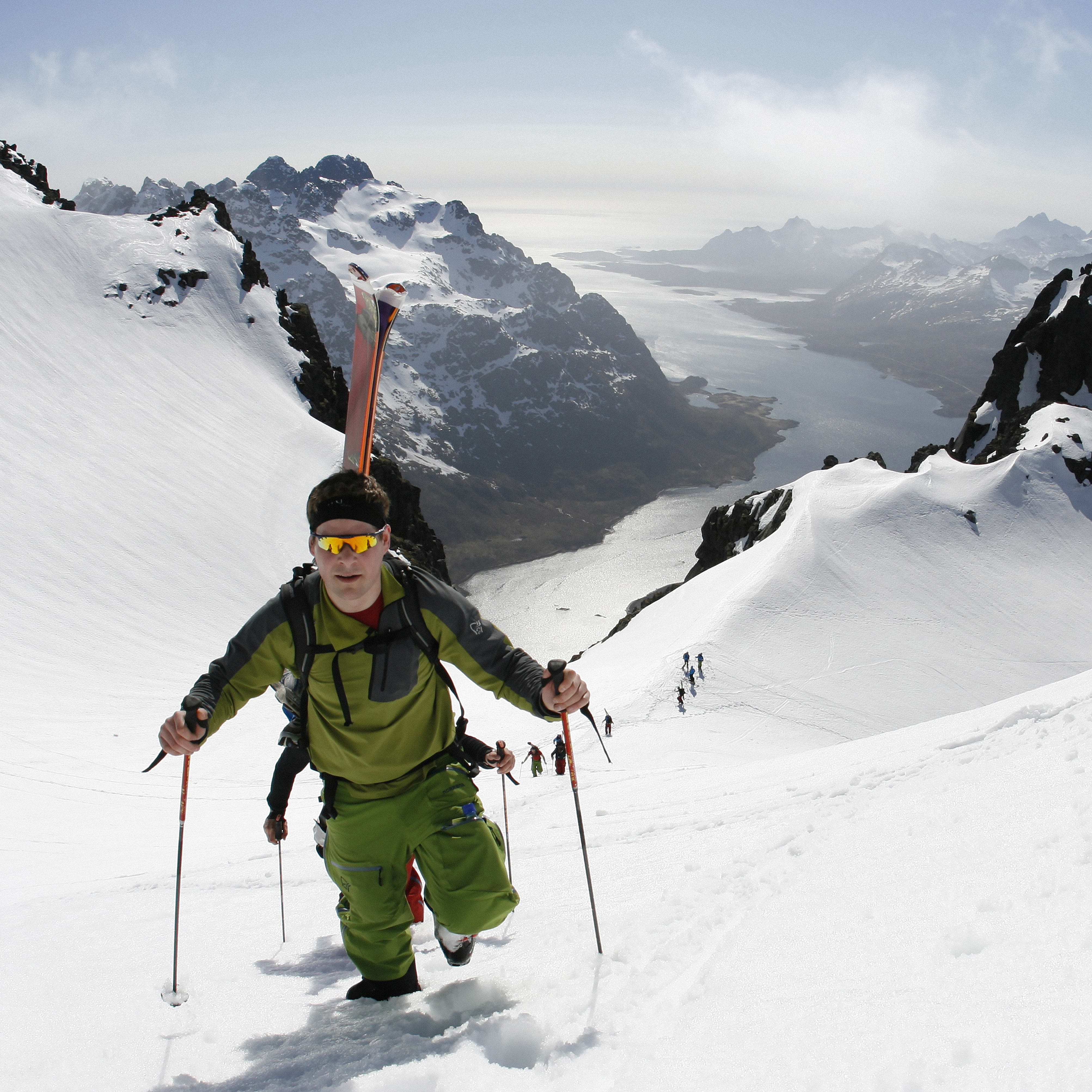
The Norwegian Trekking Association (Den Norske Turistforening) continuously opened more cabins for public use in the Norwegian mountains – and the Norwegian Alpine Club (Norsk Tindeklub) became a gathering place for courageous and ambitious climbers. The cliffs at Kolsås – close to Norrøna’s headquarters – attracted climbers who wanted to practice for the high peaks and large walls in mountain ranges such as Jotunheimen, the Sunnmøre Alps, Romsdalen, Innerdalen, Lofoten, and Lyngen.
The decades surrounding World War II and the postwar years marked a formative period in Norwegian mountaineering. New ideas, techniques, and ambitions were finding their way into the country's climbing culture, helping transform mountaineering from a relatively small pursuit into a more organized and outward-looking activity. The spirit of exploration continued to grow in the decades that followed. Horizons were expanding, ambitions were growing, and a new generation of climbers, skiers, and adventurers was looking beyond the country's borders.
It was an era defined by curiosity, exploration, and innovation. Norwegian mountaineering was evolving rapidly, and alongside these developments, outdoor equipment continued to improve as Norrøna refined clothing, backpacks, tents, sleeping bags, and other gear to meet the growing demands of life in the outdoors.