
Published: Sep 29, 2026
The hike begins in sunshine. A few hours later, the trail passes through wet vegetation, climbs above the tree line and eventually encounters an afternoon rain shower.
Unlike a shell jacket that may spend much of the day in a backpack, hiking pants are usually worn continuously. They need to remain comfortable during movement, provide protection from terrain and vegetation, and cope with changing weather without being replaced every time conditions change.
A lightweight, highly breathable pant may feel ideal during a warm ascent but provide less protection in rough terrain or exposed weather. A heavier pant may offer greater durability and protection at the cost of breathability and freedom of movement.
There is no single hiking pant that performs best in every environment. Choosing the right one means understanding the balance between comfort, protection and versatility—and how that balance changes with terrain, activity level and weather.
What Are Hiking Pants Designed to Do?
Hiking pants are designed to balance comfort during movement, protection from terrain and weather, and versatility across changing conditions. The balance between these demands determines how a hiking pant feels and performs in different environments.
Lightweight constructions may prioritise breathability, low weight and freedom of movement, while heavier constructions can prioritise durability and protection. Neither approach is inherently better; the right balance depends on the terrain, conditions and intended use.
Because hiking pants are typically worn throughout the day, these trade-offs become increasingly noticeable over long periods of movement.
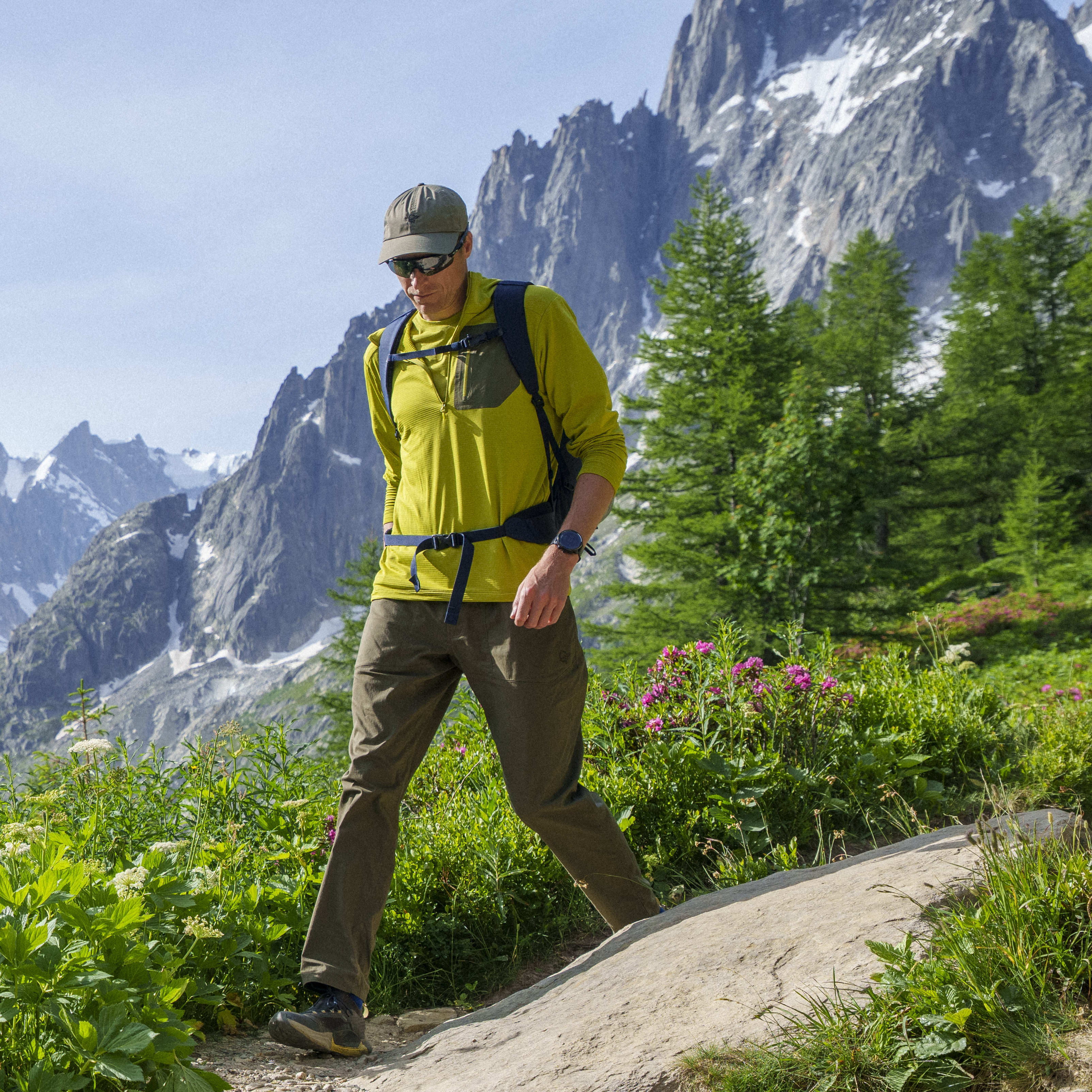
Hiking pants are designed to balance comfort during movement, protection from terrain and weather, and versatility across changing conditions. The balance between these demands determines how a hiking pant feels and performs in different environments.
Not All Hiking Pants Are Built for the Same Conditions
Different environments shift the balance between breathability, protection, durability and freedom of movement. Understanding which characteristics matter most for the conditions ahead is more useful than looking for a single hiking pant that performs best everywhere.
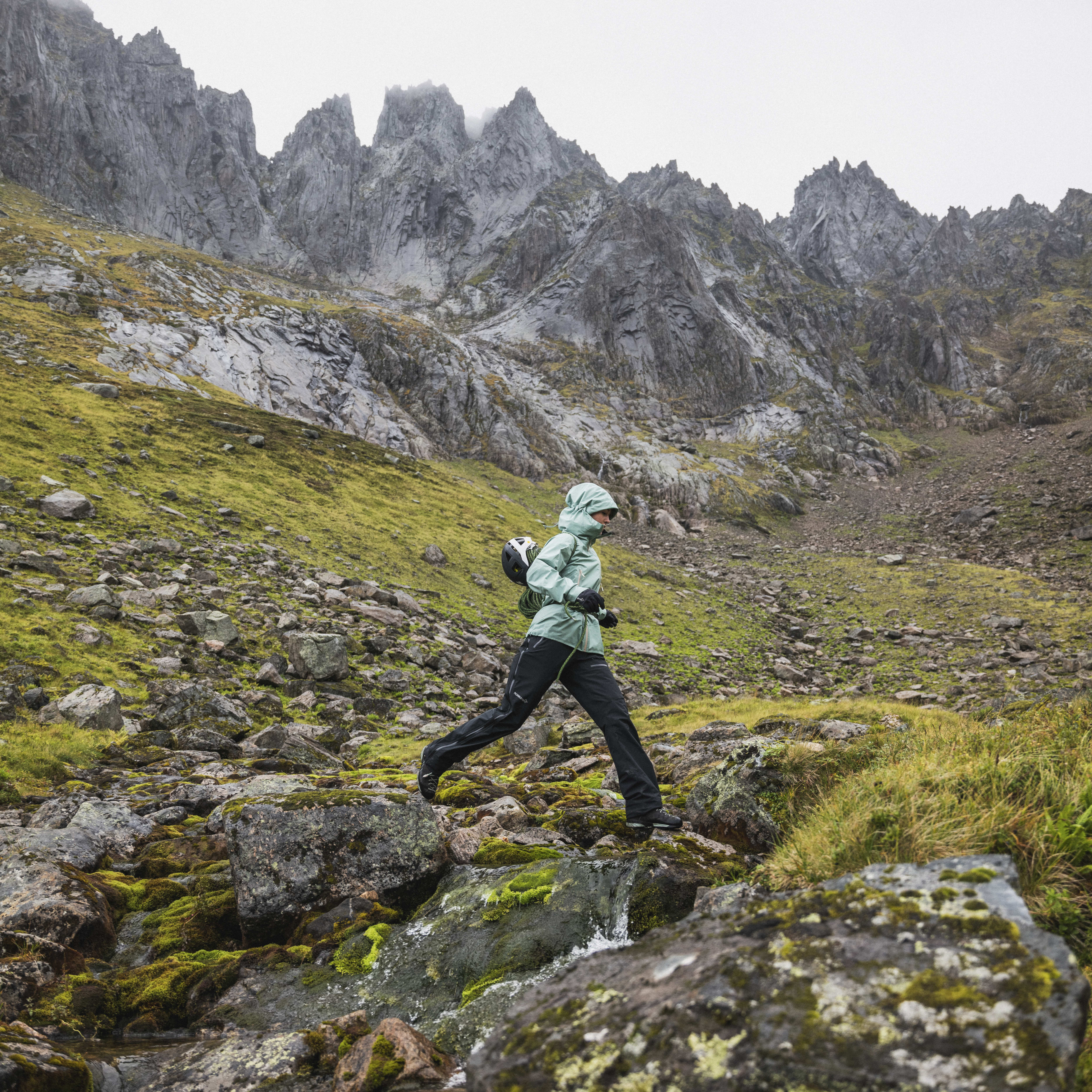
Protection can come from more durable fabrics, but it can also come from adding a lightweight waterproof layer when conditions require it.
Prioritising Protection
Rough terrain, wet vegetation and prolonged exposure place different demands on hiking pants. Protection can come from more durable fabrics, but it can also come from adding a lightweight waterproof layer when conditions require it.
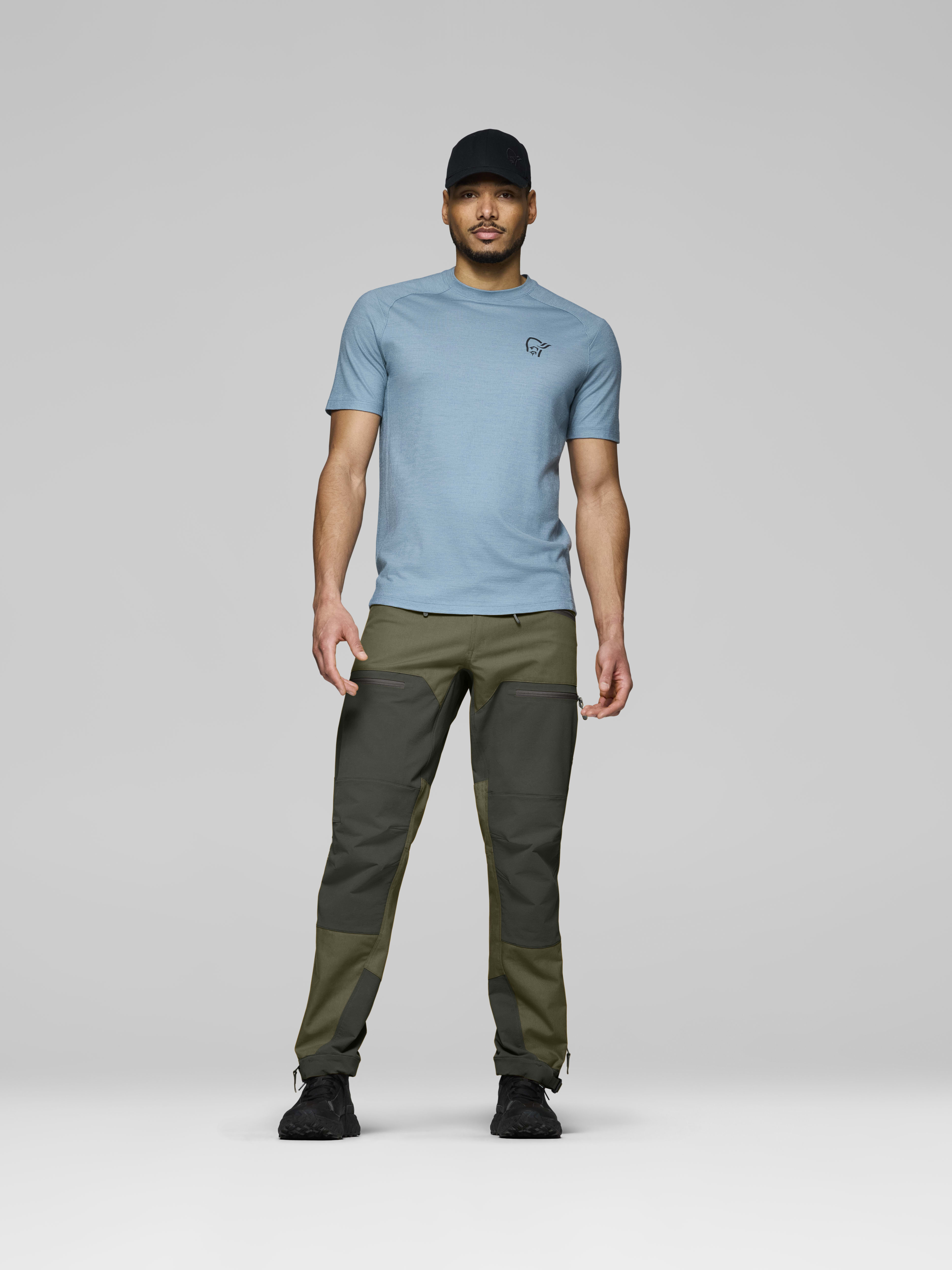
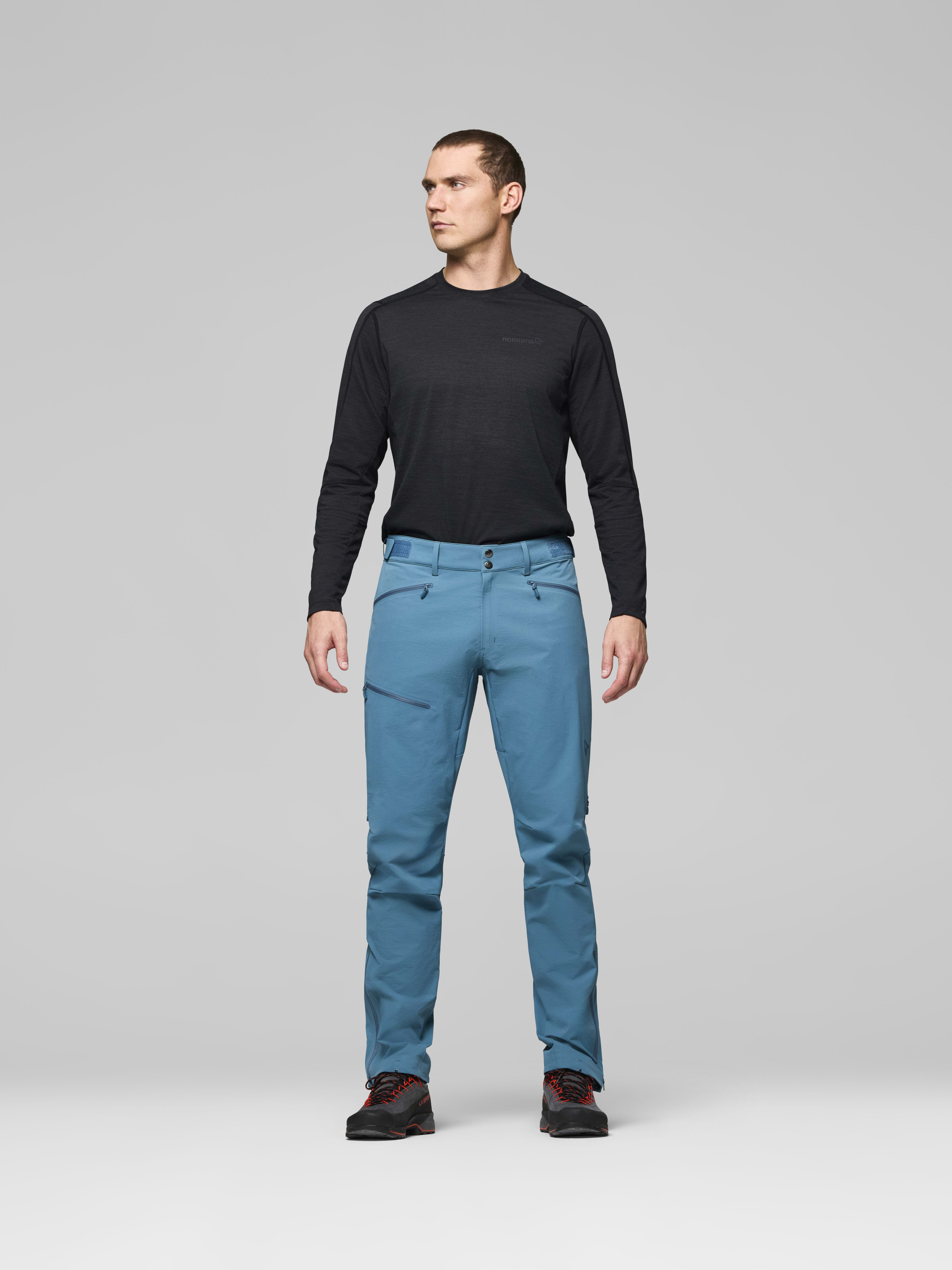
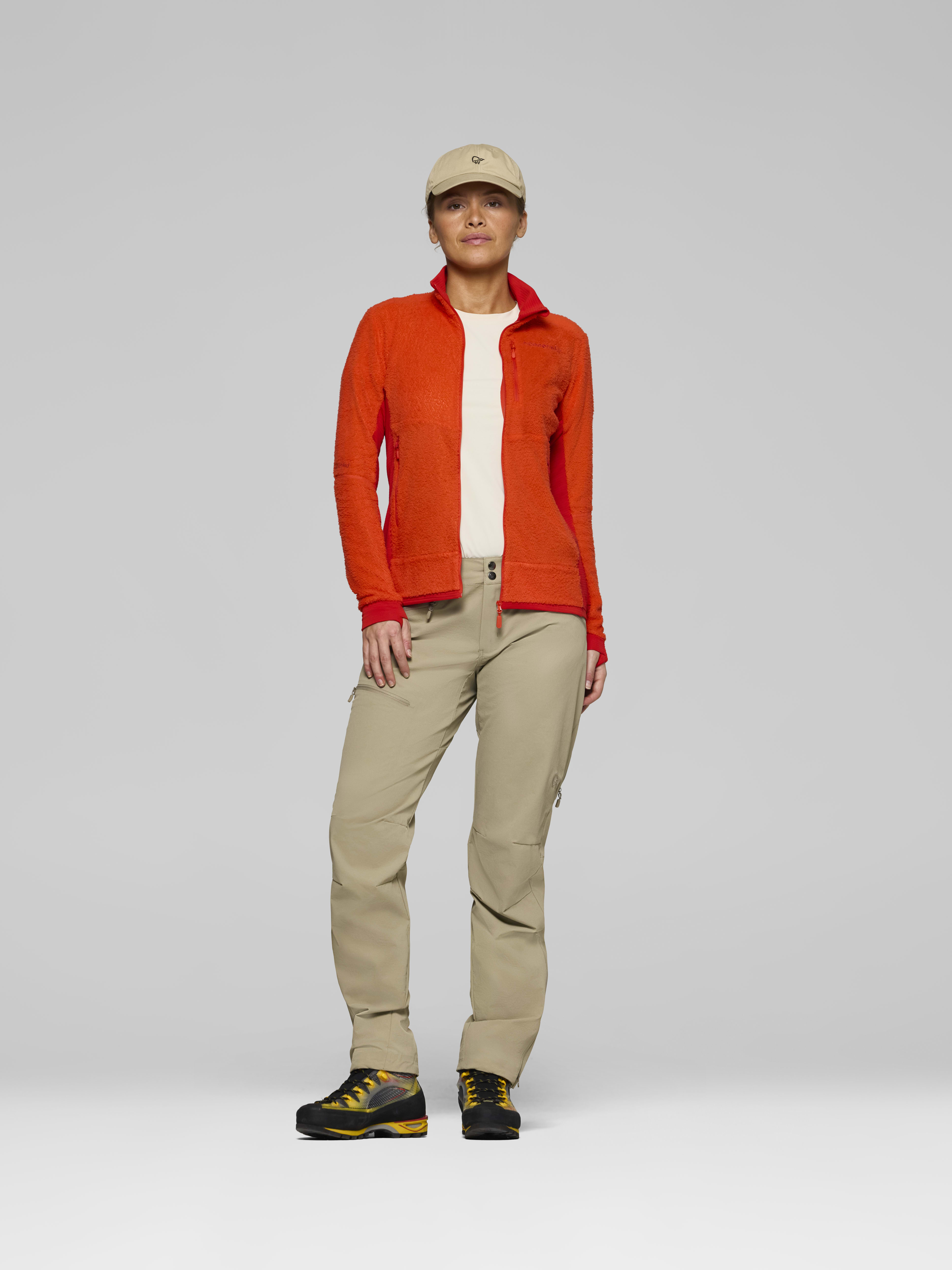
The femund cotton heavy duty Pants provide greater durability for rough terrain and repeated use, while lightweight options such as the falketind dri1 Pants prioritise packable weather protection when rain and wet conditions become the bigger challenge.


Prioritising Adaptability
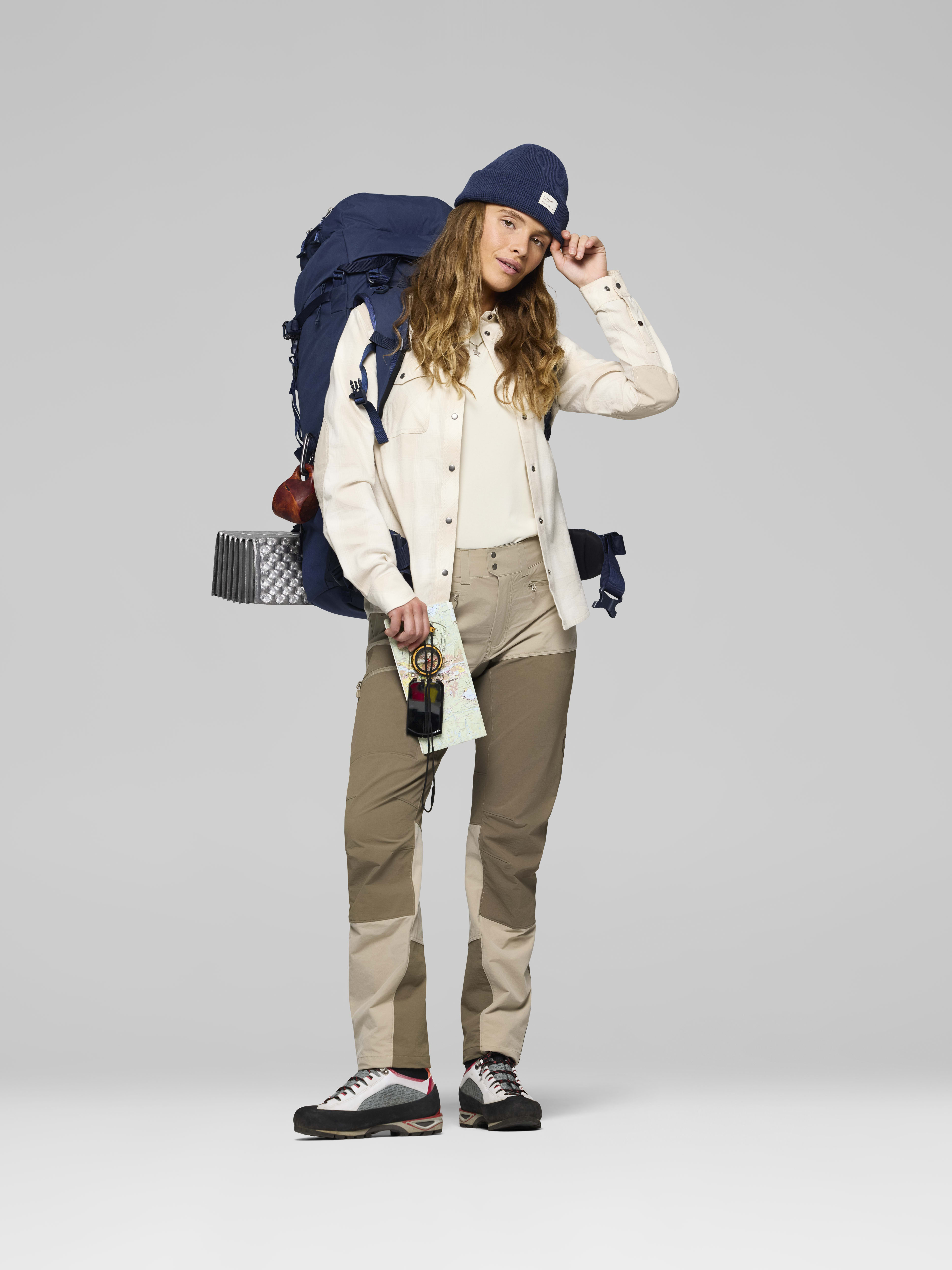
Changing mountain conditions create another challenge: the requirements at the beginning of the day may be different from those encountered several hours later. In these situations, versatility can be more useful than optimising for a single condition.
One approach is to combine breathable hiking pants such as the falketind flex1 Pants with lightweight waterproof overtrousers like the falketind Gore-Tex Pants. This allows comfort and breathability to take priority during movement, with waterproof protection added when conditions require it.
These approaches represent different balances between comfort, protection and versatility. Rather than asking which hiking pant is best, a more useful question is which balance best matches the terrain, activity and conditions ahead.


How to Extend the Life of Your Hiking Pants
The most effective ways to extend the life of hiking pants are proper washing, early repairs and regular attention to areas exposed to wear.
Wash hiking pants according to the garment's care instructions to remove dirt, sweat and contaminants that can affect fabric performance over time. Small tears, worn areas and damaged components should be repaired early, before they develop into larger problems.
Hiking pants are often among the hardest-working garments in a mountain wardrobe, with fabrics, seams and components repeatedly exposed to rock, vegetation and rough terrain. With regular care and timely repairs, a good pair of hiking pants can remain in use for years.
Keeping garments in use for longer also reduces the need for replacement and makes better use of the resources required to produce them.
Responsibility Beyond Performance
Long product life begins before a hiking pant reaches the mountains. Material choices, construction, reinforcement and repairability all influence how well a garment can withstand years of use.
At Norrøna, durability is therefore considered alongside performance throughout product development. The objective is to create hiking pants that can be maintained, repaired and kept in use for as long as possible.
Carrying Less, Trusting More
Good hiking pants allow movement without restriction, provide the protection the terrain demands and remain comfortable throughout the day. The right balance depends on where and how they are used.
Loaded Minimalism is about creating clean, functional products where every detail has a purpose. For the mountain traveller, that means choosing hiking pants designed for the demands that matter most—whether the priority is lightweight movement, greater protection or versatility across changing conditions.
The best hiking pants are not necessarily those that do everything. They are the ones that do what you need well enough that you stop thinking about them once the hike begins.