
Published: Sep 29, 2026
Choosing outdoor shorts becomes much easier once you start with the activity rather than the product.
Outdoor shorts are often seen as a simple alternative to hiking pants. In practice, they solve many of the same challenges. They need to allow unrestricted movement, remain comfortable throughout long days outdoors and balance breathability, durability and freedom of movement.
The right pair depends less on the temperature than on how you plan to spend the day. Trail running, climbing, hiking and mountain biking all place different demands on your clothing, which is why different shorts exist.
Start With How You Spend Time Outdoors
If you're moving quickly in technical terrain, low weight and unrestricted movement often become the highest priorities. If you're spending long summer days hiking with a backpack, versatility and durability may matter more. If you're riding technical trails, the fit and construction need to work with your position on the bike rather than simply feeling comfortable while walking.
Choosing shorts becomes much easier once you begin with the activity rather than the product.
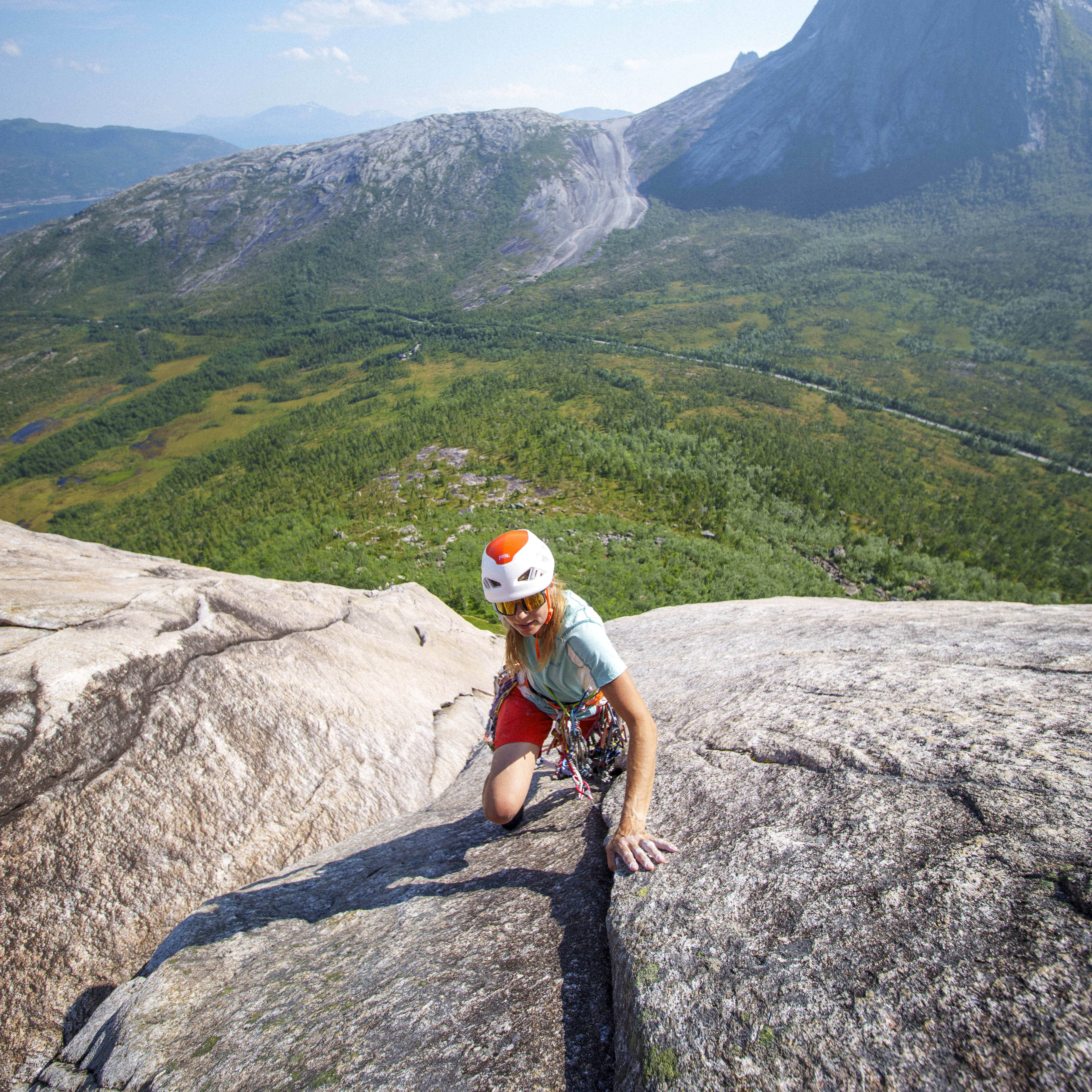
Long climbs, scrambling and continuous movement increase the importance of low weight, breathability and freedom of movement.
When Activity-Specific Design Matters
Different activities place different demands on outdoor shorts. The balance between low weight, breathability, freedom of movement, durability and comfort changes depending on how you move and the terrain you move through.
Once you know how you'll spend most of your time outdoors, it becomes much easier to decide which characteristics—and which type of shorts—matter most.
Fast Mountain Hiking
Primary challenge: Staying comfortable during sustained movement in technical terrain
Long climbs, scrambling and continuous movement increase the importance of low weight, breathability and freedom of movement. In these conditions, shorts need to move naturally with the body without adding unnecessary weight or restricting longer steps.
If fast mountain hiking is your priority, the falketind flex1 light Shorts are designed around these demands, combining low weight with stretch and unrestricted movement.


Versatile Hiking
Primary challenge: Balancing comfort, movement and durability across changing terrain
Not every hike requires the lowest possible weight. For long summer days across mixed terrain, a slightly more versatile construction can provide a useful balance between stretch, durability and everyday comfort.
If you're looking for one pair of shorts for a wide range of summer hikes, the femund flex1 light Shorts are designed around this balance.


Everyday Hiking & Outdoor Life
Primary challenge: Combining outdoor performance with everyday versatility
Not every day outdoors demands the lightest or most technical shorts. For relaxed hiking, travel and general outdoor use, comfort and durability often become more important, while enough freedom of movement and quick drying still make the shorts useful on the trail.
If you want one pair that moves easily between hiking and everyday outdoor life, the femund mid cotton Shorts combine natural comfort with improved durability and quicker drying.


Trail Running
Primary challenge: Staying comfortable during sustained high-output movement
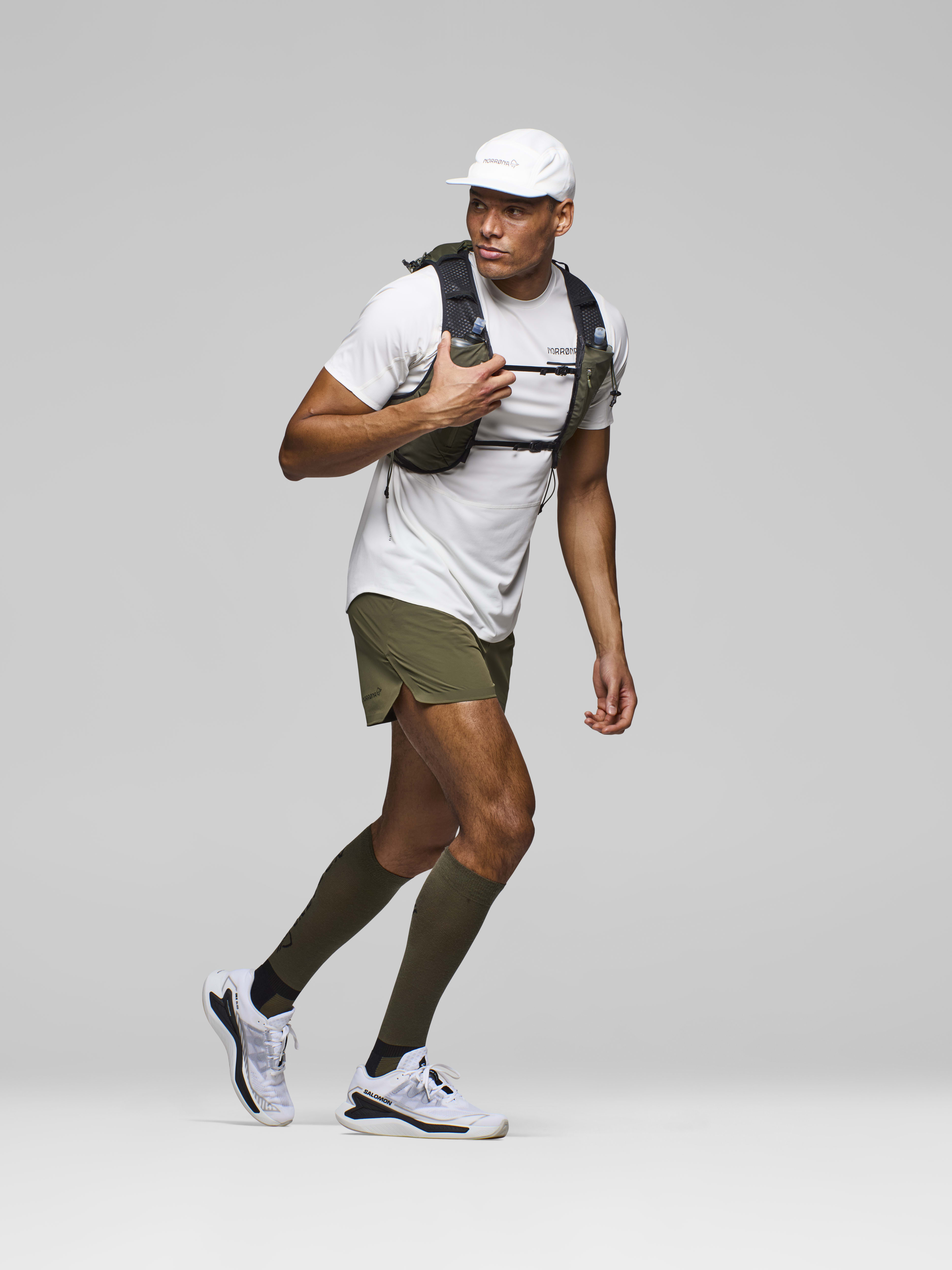
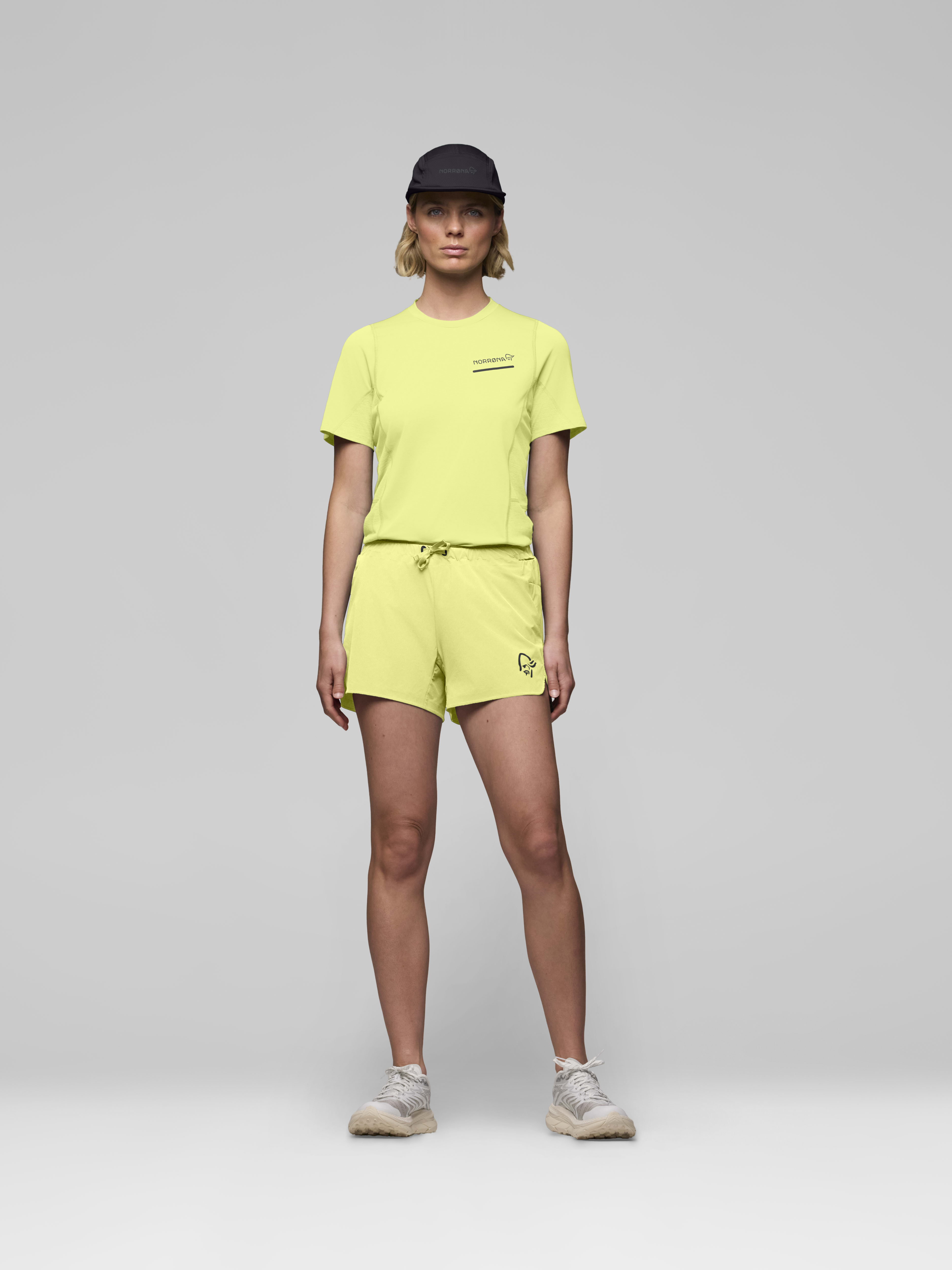
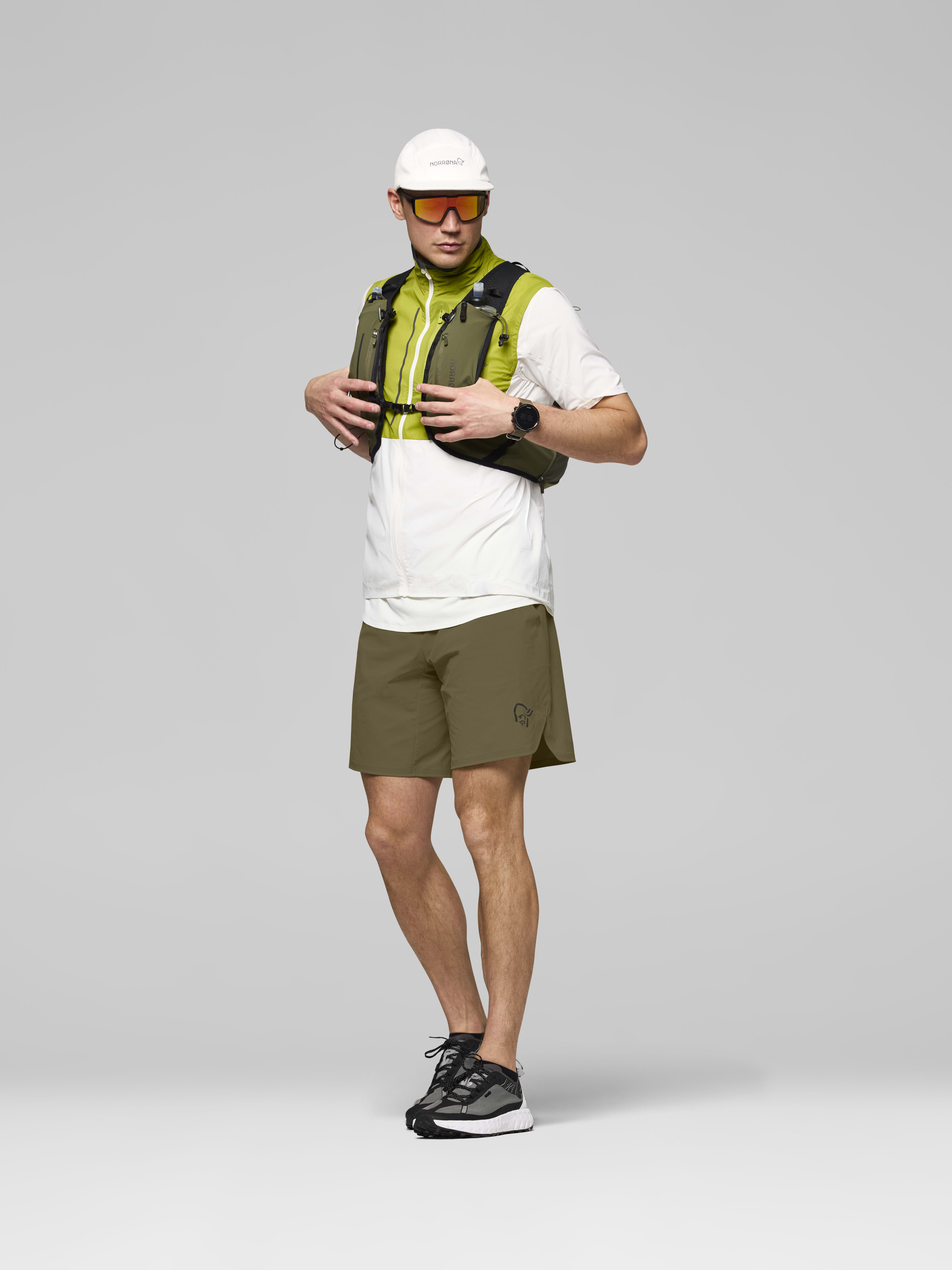
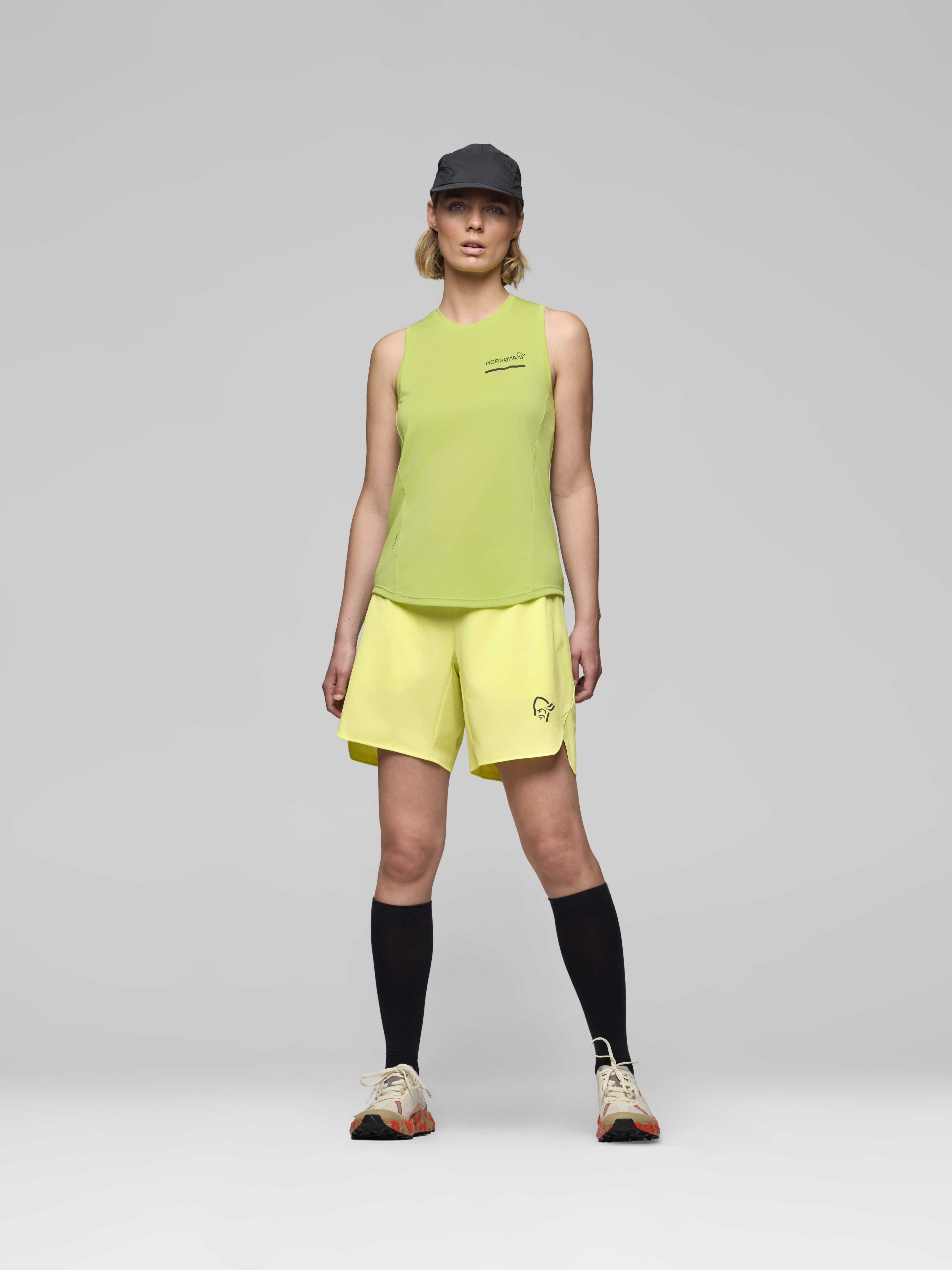
Running generates heat quickly and places a premium on low weight, breathability and unrestricted movement. Trail running shorts therefore need to manage sustained activity without adding unnecessary bulk or restricting the natural running stride.
If trail running is your primary activity, the senja flex1 Shorts are designed around these demands, combining low weight, breathability and freedom of movement for sustained efforts on the trail.
Mountain Biking
Primary challenge: Combining freedom of movement with durability and bike-specific fit
Mountain biking places different demands on shorts than hiking or running. The riding position changes how the garment needs to fit and move, while repeated contact with the saddle, vegetation and technical terrain increases the value of durability and appropriate coverage.
If you spend most of your time riding technical trails, the fjørå flex1 Shorts combine durable stretch fabrics with a bike-specific fit designed to remain comfortable in the riding position throughout long trail days.


Should You Choose flex1 or Cotton?
The choice is less about temperature than about how you use your shorts.
Choose flex1 if you prioritise movement, stretch, breathability and quick drying. This is the ideal solution for hiking, running or biking.
Choose cotton if you value the natural feel of the fabric and want one pair of shorts for hiking, travelling and everyday outdoor life where maximum technical performance is less important.
What Matters Most After a Full Day Outdoors?
Specifications can help you compare outdoor shorts. After several hours of movement, however, comfort often comes down to how the shorts fit, move and manage heat.
Freedom of movement becomes increasingly important on steep trails, during scrambling and whenever the activity requires a greater range of motion. Stretch and well-designed construction allow shorts to move with the body rather than restricting it.
Fit needs to match the activity. Shorts designed for running can prioritise minimal bulk and unrestricted movement, while mountain biking shorts need to remain comfortable in the riding position and provide appropriate coverage on the bike.
Waistband comfort becomes particularly noticeable during long days outdoors, especially when carrying a backpack. A waistband that feels insignificant in a fitting room can become much more noticeable after several hours of continuous movement. Look for a waistband that stays comfortably in place without creating unnecessary pressure or restricting movement, particularly if you'll be wearing the shorts under a hip belt.
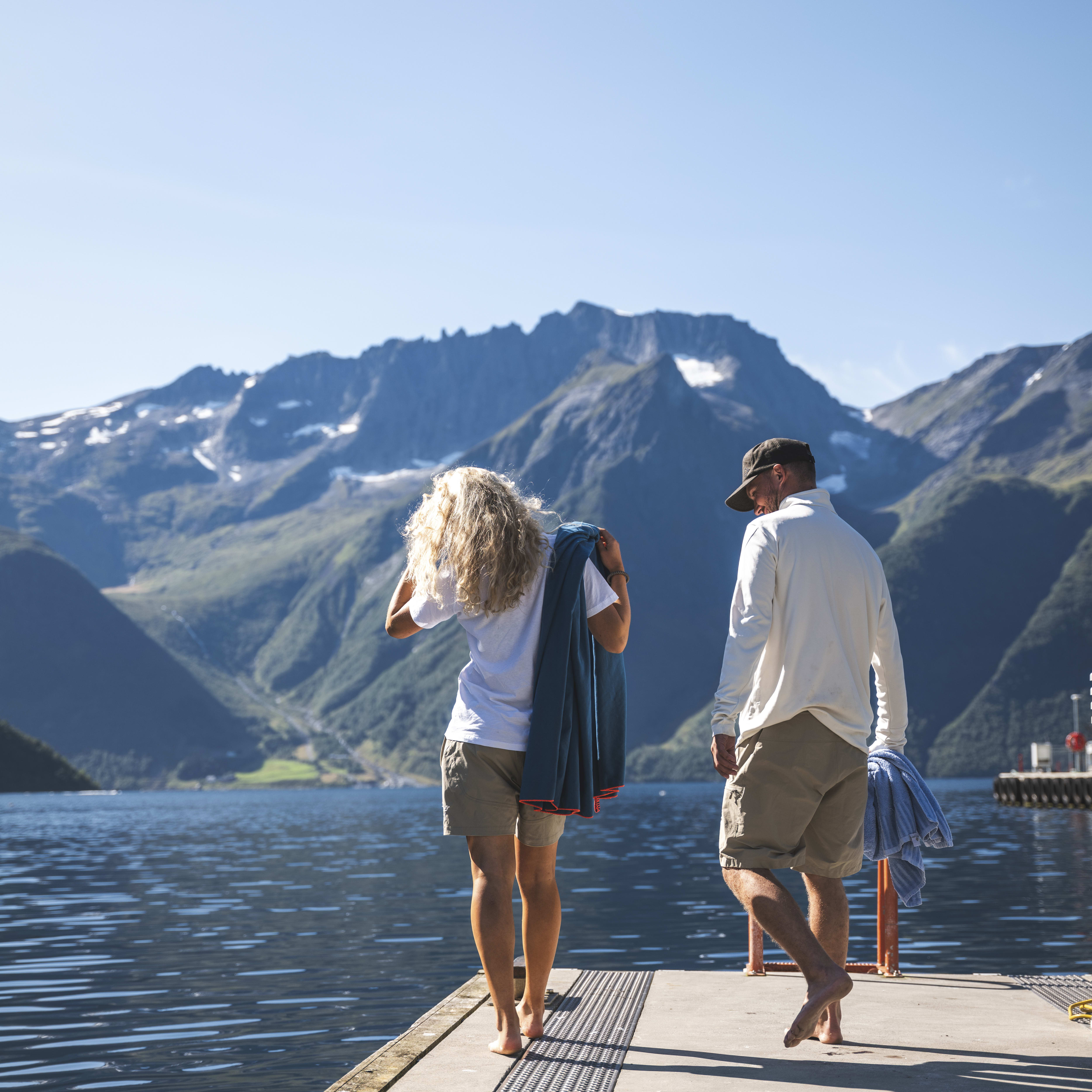
Drying time matters when shorts become damp from perspiration, river crossings, passing showers or a quick dip in the fjord. Lightweight, quick-drying fabrics can return to a more comfortable state sooner and become particularly valuable during warm, high-output activities.
Durability becomes more important as terrain gets rougher and use becomes more frequent. Scrambling over rock, moving through dense vegetation and repeated contact with abrasive surfaces can place greater demands on the fabric. If your hiking regularly involves this kind of terrain, a more robust construction may be worth the additional weight compared with the lightest possible option.
Drying time matters when shorts become damp from perspiration, river crossings, passing showers or a quick dip in the fjord. Lightweight, quick-drying fabrics can return to a more comfortable state sooner and become particularly valuable during warm, high-output activities.
Common Mistakes When Choosing Outdoor Shorts
Choosing Shorts Based on Temperature Alone
Warm weather matters, but activity often tells you more about what your shorts need to do. Trail running, mountain hiking and mountain biking place different demands on freedom of movement, durability, fit and comfort. Start with the activity, then consider how temperature and conditions affect what you need.
Assuming Lighter Shorts Are Always Better
Low weight can be valuable during fast movement and in hot conditions, but it often comes with trade-offs. If you regularly move through rough terrain, scramble over rock or use your shorts frequently, a more robust fabric may provide greater durability. Choose the lightest construction that still provides the protection and durability your activity requires.
Overlooking Activity-Specific Fit
The right fit depends partly on how you move. Shorts that feel comfortable while walking are not necessarily designed for sustained running or the riding position on a mountain bike. Consider the movement patterns of your primary activity rather than judging fit only by how the shorts feel when standing still.
The best choice comes from matching weight, mobility, comfort and durability to the way you'll use your shorts most often.
How Do You Choose the Right Outdoor Shorts?
The right outdoor shorts depend primarily on how you plan to use them. Start with your main activity, then consider the conditions, terrain and amount of movement that activity involves.
For fast, high-output activities, low weight, breathability and freedom of movement may matter most. For hiking across rough terrain, durability and versatility can become more important. Mountain biking introduces different demands again, particularly around fit, coverage and comfort in the riding position.
There is no single pair of shorts that provides the ideal balance for every activity. The best choice is the one that matches the way you spend most of your time outdoors.