Text: Henrik Mühlbradt
Published: Nov 4, 2026
Driven by a shared mission to reinvent outdoor materials, Norrøna and Uluu are combining centuries of alpine expertise with saltwater fermentation to turn seaweed into technical textiles.
Norrøna is partnering with Australian materials company Uluu to develop a new kind of performance fiber made mostly from seaweed. This partnership directly supports Norrøna’s long-term Responsibility Roadmap, which sets ambitious goals for carbon reduction, biodiversity protection, waste elimination, and responsible material sourcing. To meet these goals, the brand is actively evaluating new raw materials designed for circularity, natural biodegradability, and a smaller lifecycle footprint.

“Building the next generation of outdoor materials requires brands to get involved before every question has been answered,” says Jørgen Jørgensen, CEO and fourth-generation owner of Norrøna.
Norrøna’s Responsibility Roadmap
Norrøna’s Responsibility Roadmap 2029 includes 10 core goals the brand is striving to reach by its 100-year anniversary in 2029. Among them, Norrøna aims to source 100% of its ingredients from third-party certified responsible sources – including GRS-certified recycled materials, GOTS-certified organically grown cotton, and next-generation bio-based materials – while continuously working toward eliminating plastic waste from its products and supplies.
When Norrøna’s Chief Sustainability Officer Brad Boren started talking with the Australian start-up Uluu, he saw a natural connection to these broader responsibility goals. While most plant-based plastic alternatives are made exclusively from land crops, Uluu is one of the first to make a plastic alternative using seaweed. The partnership also runs parallel to Norrøna’s support of the Bellona Foundation’s efforts to restore Arctic kelp ecosystems impacted by sea urchin overgrazing along Norway’s northern coast.

From Seaweed to Outdoor Clothing
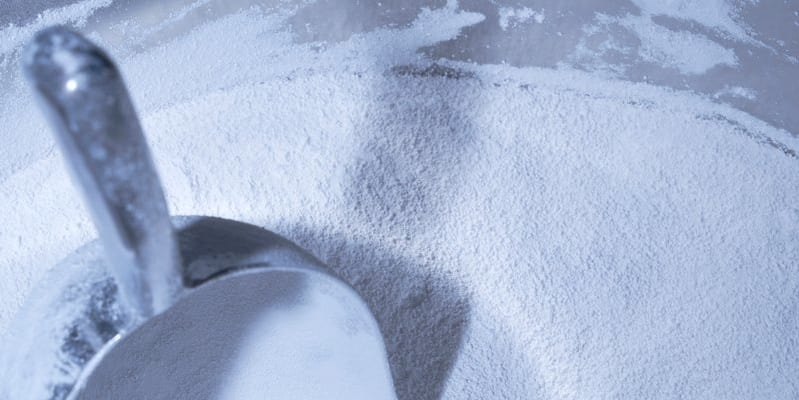
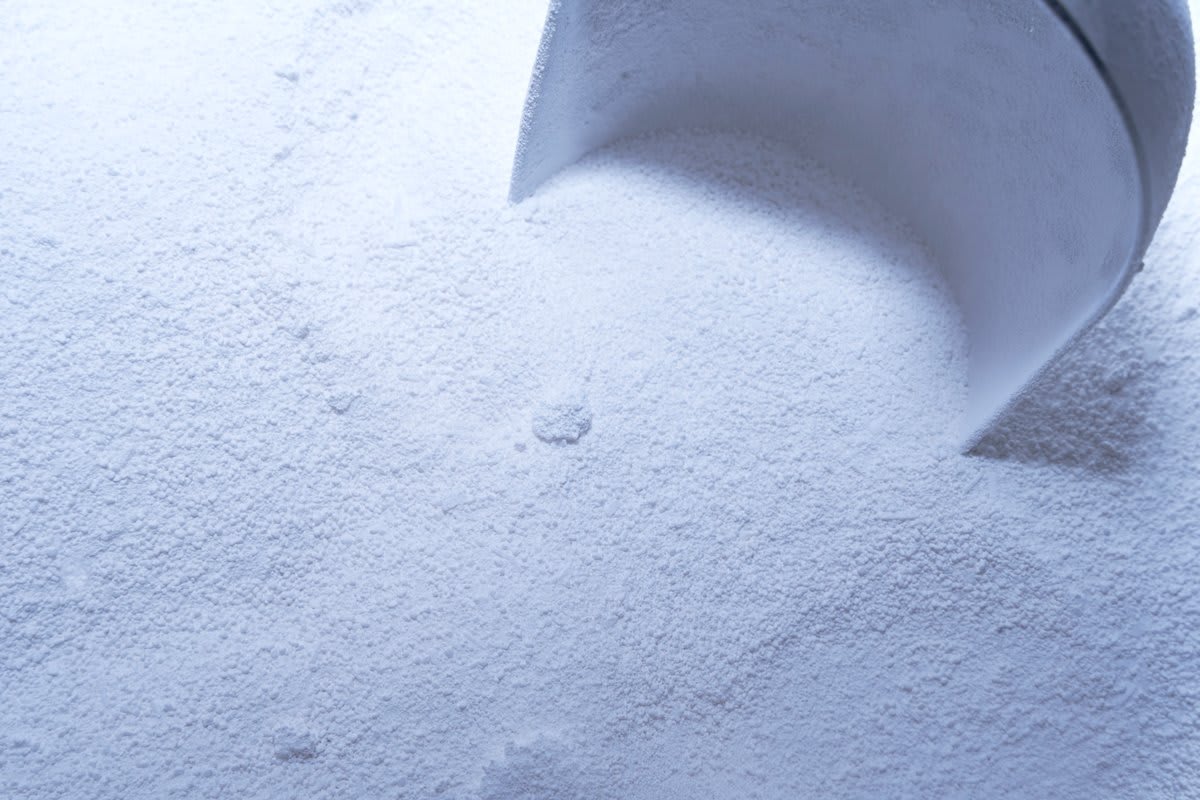
We ask a lot of the clothes we take outdoors. They need to withstand a backpack rubbing against the shoulders, repeated washing, and long days in changing weather. Good materials make this possible, but those materials have a story long before they become a jacket or a midlayer. Many synthetic fibers begin with fossil fuels, whereas Uluu is exploring a different starting point by extracting sugars from farmed seaweed and feeding them to microorganisms through fermentation. These microorganisms produce a material called PHA, which can then be processed into fibres.
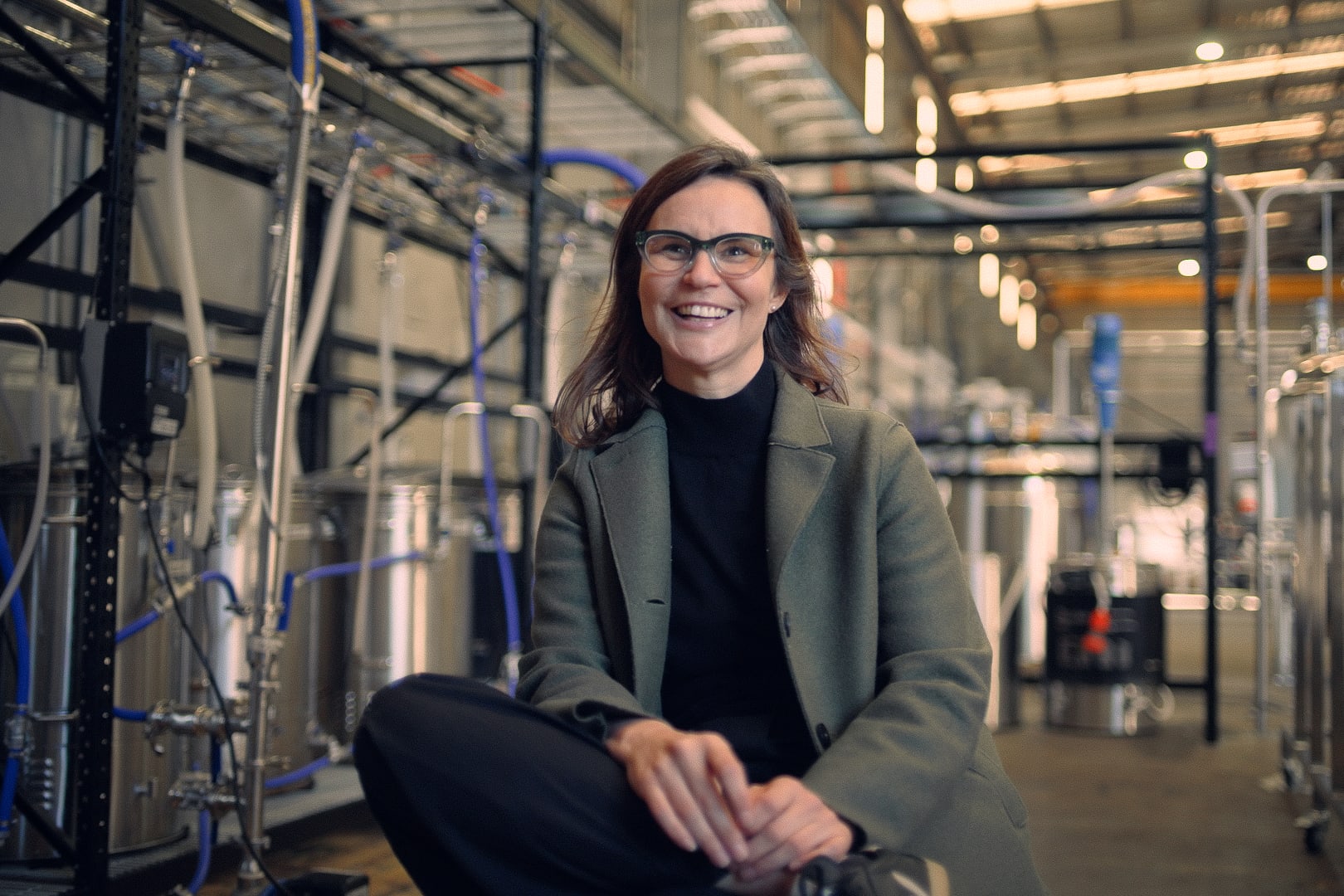
“We’re harnessing that biology to transform seaweed into natural, plastic-like materials. It opens up a new way of thinking about what seaweed can become.”
For Norrøna, Uluu’s material offered fresh hope for work that previously proved difficult. Unlike synthetic materials that can shed tiny fibers during wear and washing that stay in the environment for a long time, Uluu’s material is designed to biodegrade, passing TÜV marine and home biodegradable tests. The process starts with a low-impact raw material, as seaweed is harvested without farmland, minimum freshwater, or fertilizer, utilizing a saltwater fermentation process much like a brewery.
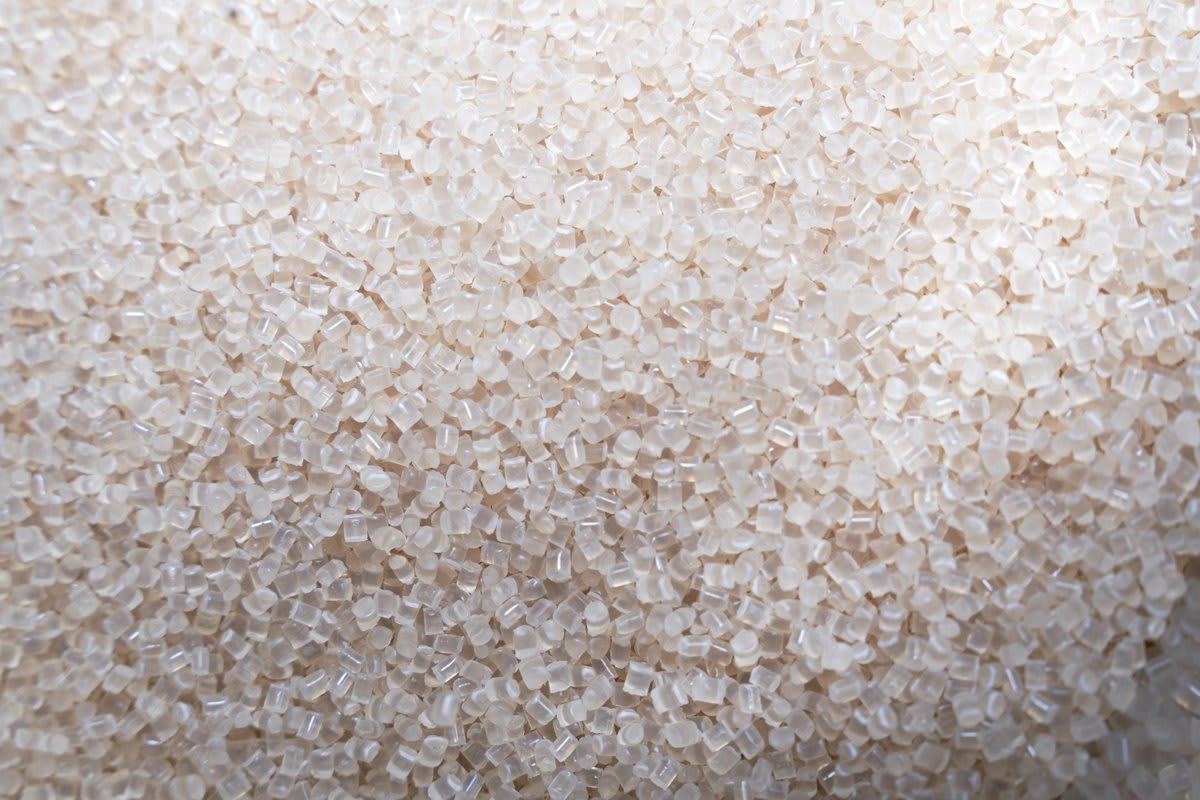
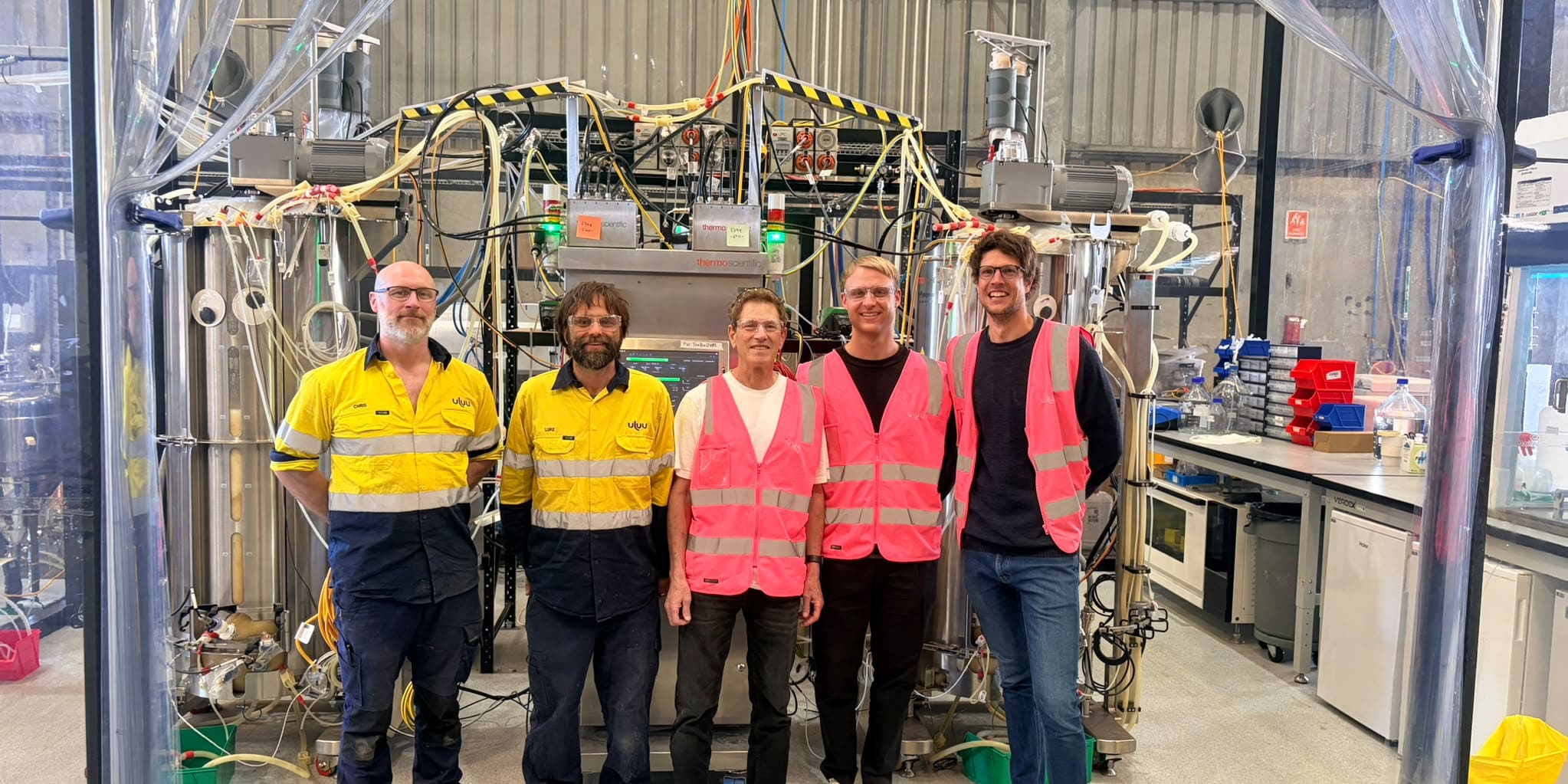
Now the companies are developing the material together, leveraging Uluu’s knowledge of material creation and Norrøna’s decades of testing expertise. It is familiar territory for the brand, which developed Europe’s first GORE-TEX jacket prototype back in 1977.
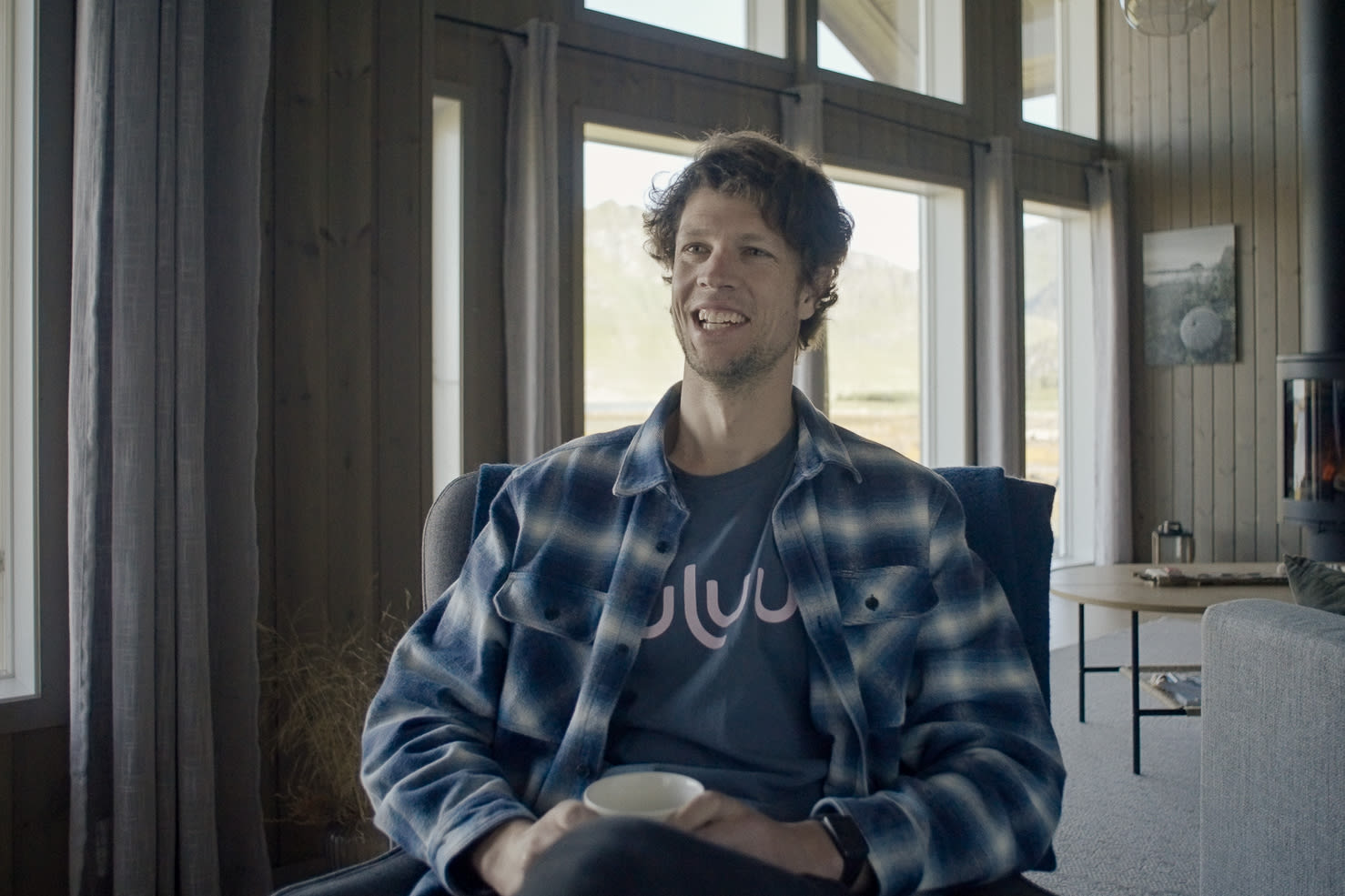
“It will be built through close collaboration between materials companies and brands that understand what products need to do in the real world.”
The First Tests
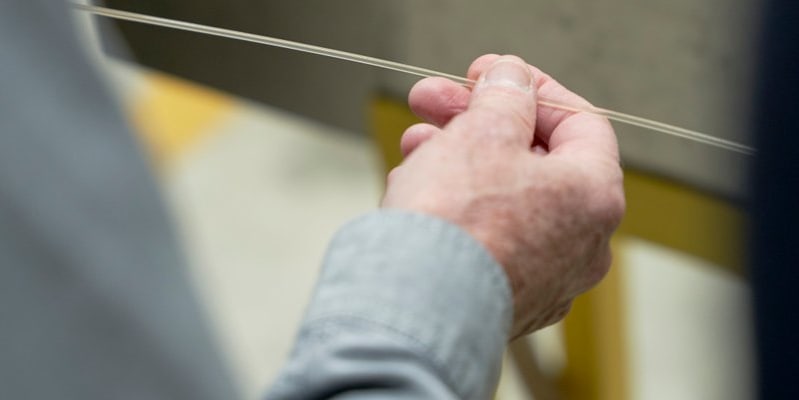
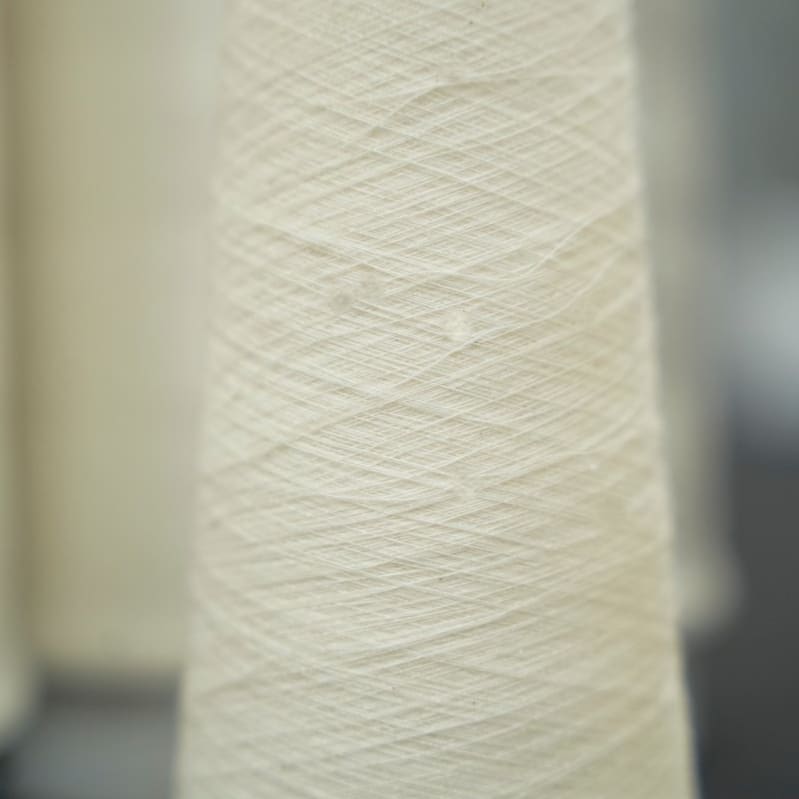
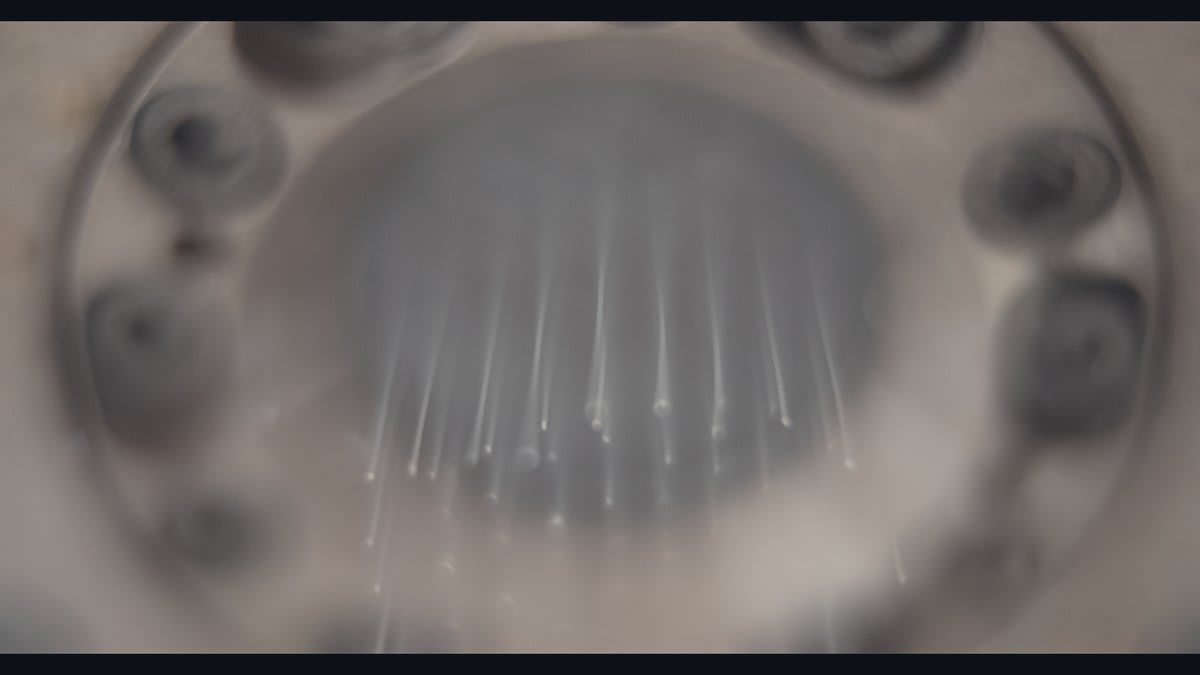
There is still a long road ahead to put seaweed-fabric into mass production. For now, Norrøna’s and Uluu’s focus is on developing a usable fibre and producing enough of it to take the next steps. A successful fibre-spinning trial in Australia has given the project new momentum. The yarn will next travel to Taiwan, where one of Norrøna’s suppliers will make different fabric samples to help the team understand performance capabilities and improvement areas.

“This is still early stages, but what we have seen so far gives us optimism of a significant breakthrough,” says Brad.
The ambition is to create a material that lasts and can eventually be recycled. Biodegradability serves a specific purpose in addressing the challenge of micro-fragmentation:
“Our ultimate goal is for the material to be recyclable,” Brad explains. “The biodegradability is only for fibre fragmentation or leakage, and not as an end-of-life solution.”
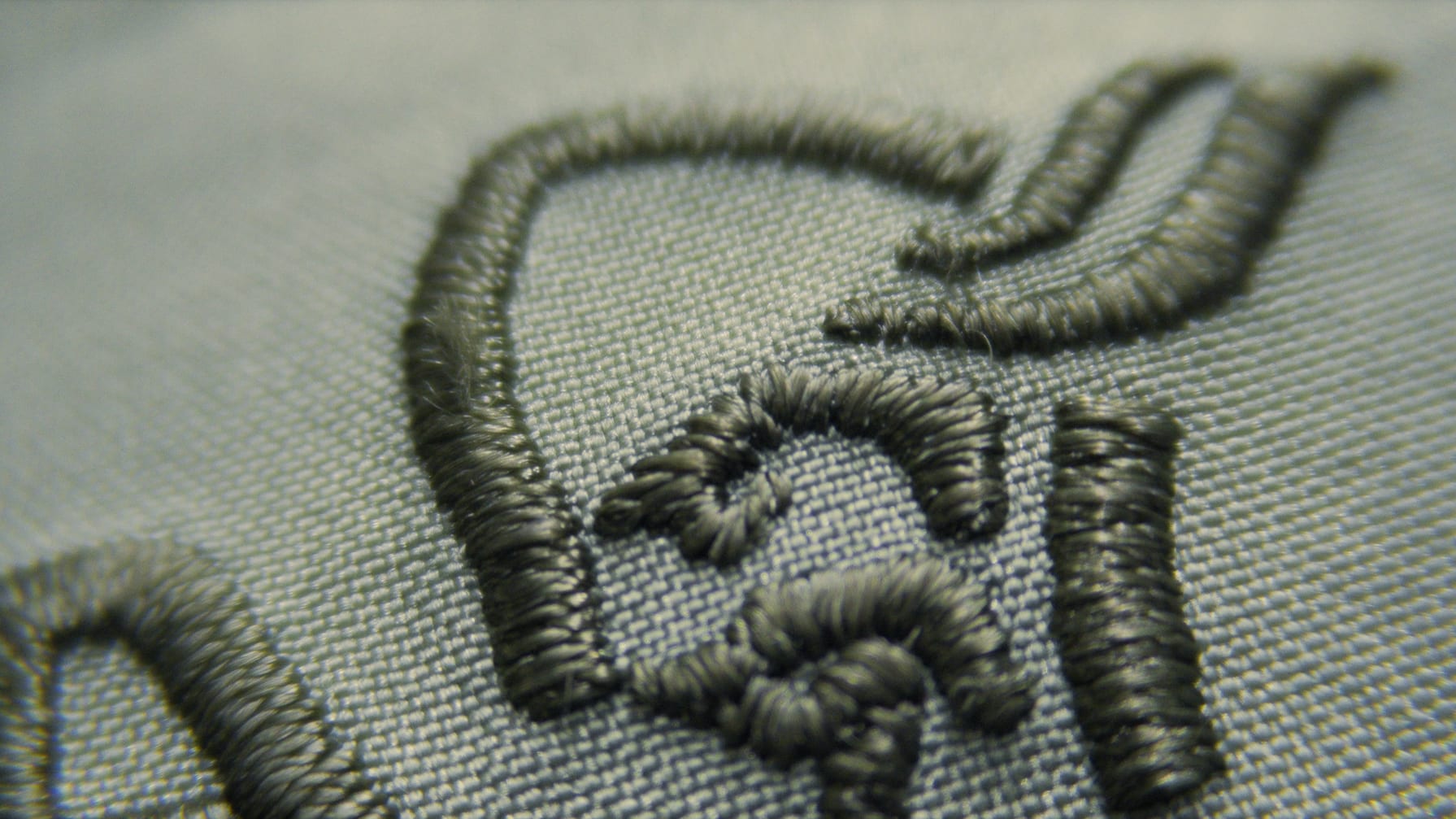
That means examining the whole textile – ensuring the fibre is strong enough to last while assessing the material blend, dyes, and chemistry for their effects on nature. Achieving consistent quality at a practical price point remains key to scaling beyond the laboratory.
Connecting to the Norwegian Coast
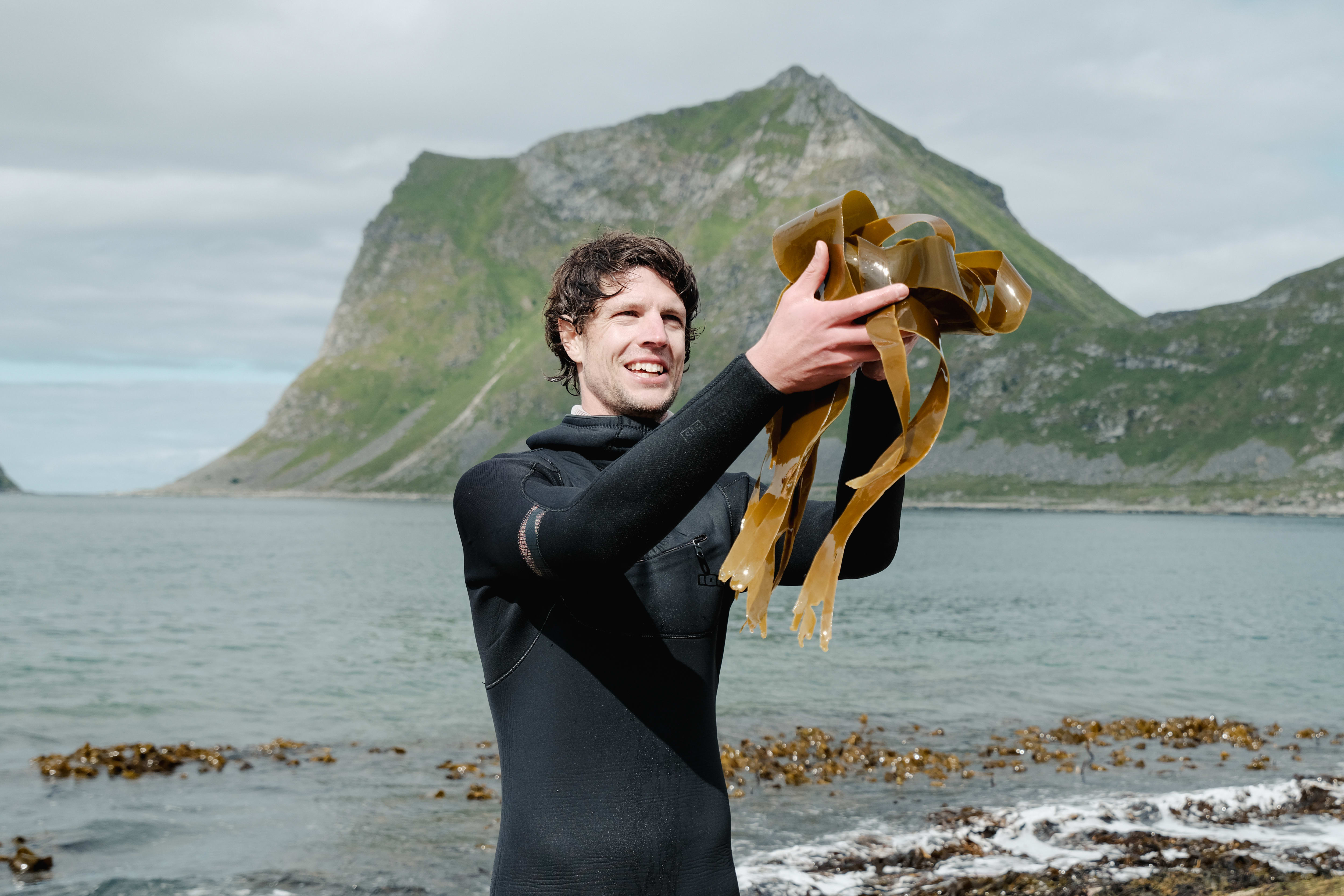
In the longer term, Norrøna hopes to bring material development closer to its work on marine restoration, investigating which seaweed species native to Norway could serve as suitable feedstocks.
Since 2024, Norrøna has partnered with the Bellona Foundation on the Center for Marine Restoration in Lofoten, working to restore Northern Norway’s kelp forests. By supporting both efforts alongside exploring safeguards with Fashion for Good, Norrøna aims to help restore the ocean ecosystems it depends on while pioneering the future of low- or zero-carbon outdoor apparel.
Looking Beyond 2029
Norrøna is working towards its aggressive carbon footprint reduction goal by 2029, the year the company turns 100. While the search for new materials is part of that roadmap toward 2040, Brad emphasizes that the process takes time.
Brad Boren also stresses that new raw materials are only one part of the challenge, noting that the wider textile industry must also address overproduction and products that spend too little time in use. For him, hope comes from making something tangible that shows what might be possible—a fibre that becomes fabric, and a garment that performs outdoors and lasts for years.
“From a personal perspective, I am encouraged by the possibility of what we are trying to achieve, and see it as a stepping stone towards a brighter future – which is important during such challenging times.

Facts about Uluu