
Published: Sep 30, 2026
Understanding how merino wool and synthetic baselayers solve the same challenge in different ways.
Few garments influence comfort throughout the day as much as your baselayer. Worn directly against the skin from the moment you leave the trailhead until the day is over, it continuously regulates heat, moisture and comfort as conditions change.
Merino wool and synthetic fabrics can both perform that role. Because they occupy the same place in a layering system, they are often presented as competing materials. In reality, they solve the same mountain problem while prioritising different characteristics.
For a deeper understanding of how each material works, read:
→ Understanding Layering
Is Merino Wool Better Than Synthetic Baselayers?
In many situations, neither material is inherently better.
Both are designed to regulate comfort next to the skin by helping manage heat and moisture throughout the day. The more useful question is not which material performs better overall, but which characteristics are most valuable for the conditions, activity level and duration of the trip ahead.
When Do They Solve the Same Problem?
Merino wool and synthetic baselayers solve much of the same problem during everyday mountain activities where conditions and activity levels remain relatively moderate. Whether you're hiking, ski touring or climbing, both can help regulate body temperature and manage moisture next to the skin. On many day trips, either material can provide excellent comfort, and personal preference may play as large a role as the material itself.
The differences become more meaningful as the demands become more specific. Sustained high-output movement increases the value of rapid drying and moisture management, while longer trips and changing activity levels can increase the value of comfort, temperature regulation and odour resistance.
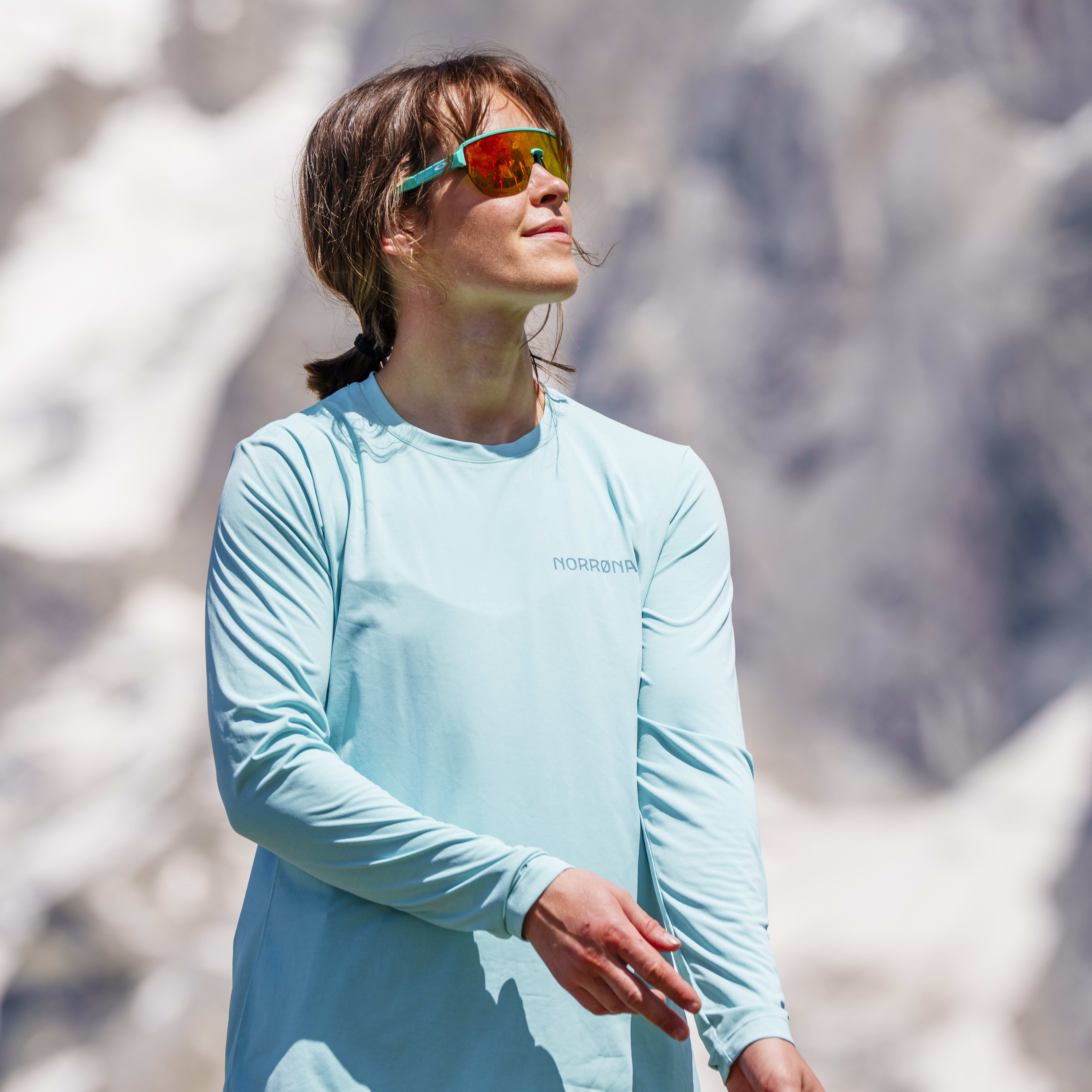
Because merino wool and synthetic baselayers occupy the same place in a layering system, they are often presented as competing materials. In reality, they solve similar challenges while prioritising different characteristics.
When Does Merino Wool Add More Value?
As mountain trips become longer, priorities often shift from maximum performance in a single condition towards consistent comfort across many. This is where merino wool often stands apart. Its strength lies less in maximising a single performance characteristic than in combining temperature regulation, natural odour management and next-to-skin comfort across changing conditions and repeated days of use. For people who prefer the feel of fine wool against the skin, that comfort can itself be an important part of the decision.
Choose merino wool when consistent comfort across changing conditions and repeated days of use matters more than rapid drying during sustained activity.
When Do Synthetic Baselayers Add More Value?
Synthetic baselayers are designed to maintain comfort during sustained, high-output movement where moisture management becomes the dominant challenge.
High-output skiing, trail running and fast-paced hiking generate continuous heat and moisture. In these situations, rapid drying and efficient moisture transport often become the highest priorities. Synthetic fabrics are designed around exactly those demands, making them particularly well suited to sustained movement where maintaining comfort depends on continuously managing perspiration.
Choose synthetic baselayers when sustained movement and rapid moisture management are the highest priorities.
Which Material Best Matches Your Priorities?
Merino wool and synthetic baselayers overlap across many mountain activities, but their differences become more useful when you look at what matters most for the day or trip ahead. Rather than searching for a single winner, consider which characteristics deserve the highest priority.
Material is only part of the decision. Both merino wool and synthetic baselayers are available in different weights and constructions, which can significantly influence warmth, breathability and drying time. The specific garment, how much heat you generate during activity and your personal preferences can therefore matter just as much as the choice between merino wool and synthetic.
The comparisons below describe where each material tends to offer particular advantages, rather than rules that apply to every baselayer or every person.

The specific garment, how much heat you generate during activity and your personal preferences can matter just as much as the choice between merino wool and synthetic.
Sustained High-Output Movement
Consider: Synthetic
When you're generating heat and perspiration continuously, drying speed and moisture management become increasingly important. Synthetic baselayers are particularly well suited to sustained efforts such as trail running, fast hiking and demanding ski touring, where keeping moisture moving away from the skin can help maintain comfort throughout the activity.
Multi-Day Mountain Travel
Consider: Merino Wool
On longer trips, the priorities often shift from maximum performance during a single period of activity towards consistent comfort over several days. Merino wool combines temperature regulation, next-to-skin comfort and natural odour resistance, making it particularly useful when the same baselayer may be worn repeatedly across changing conditions and activity levels.
Changing Temperatures and Activity Levels
Consider: Merino Wool
Mountain days rarely maintain the same pace or temperature from beginning to end. Merino wool performs across a broad range of conditions, making it a versatile choice when periods of sustained movement are mixed with stops, changing weather or lower activity levels.
When Drying Speed Matters Most
Consider: Synthetic
If your baselayer regularly becomes damp and needs to dry quickly between periods of use, drying speed can become a deciding factor. Synthetic fabrics generally dry faster than merino wool, making them particularly useful when there is limited time or opportunity to dry clothing before it is needed again.
Why Do Both Materials Continue to Exist?
Many people compare baselayers by looking for a single winner: the warmest material, the fastest-drying fabric or the most breathable option.
A more useful way to compare baselayers is to begin with the journey ahead.
Synthetic baselayers may offer particular advantages during sustained, high-output activity. Merino wool often provides greater versatility across changing temperatures and repeated days of use. Neither replaces the other because each reflects a different balance of priorities.

The question isn't which baselayer is better. It's what you need your baselayer to do.
How Do You Choose Between Merino Wool and Synthetic Baselayers?
Merino wool and synthetic baselayers solve the same mountain problem in different ways. The decision becomes much simpler once you understand what each material prioritises.
If your baselayer needs to keep pace with sustained, high-output movement, synthetic fabrics are often the stronger choice. If your priority is remaining comfortable across changing conditions and multiple days of use, merino wool often becomes increasingly valuable.
The question isn't which baselayer is better. It's what you need your baselayer to do.