
Published: Sep 30, 2026
Understanding how softshell and waterproof hiking pants solve different mountain problems.
Softshell pants are designed around movement. Waterproof pants are designed around weather protection. The better question isn't which is better, but how much protection the conditions ahead are likely to require.
Unlike a shell jacket, which may spend part of the day in your backpack, hiking pants are usually worn continuously. That makes the balance between breathability, freedom of movement and weather protection particularly important.
For a deeper understanding of how hiking pants and shell fabrics work, read:
Are Waterproof Pants Better Than Softshell Pants?
Neither is inherently better. Both are designed to keep you comfortable in mountain conditions, but they prioritise different challenges.
Softshell pants place greater emphasis on breathability, freedom of movement and continuous comfort during activity. Waterproof pants prioritise dependable protection when prolonged rain, wet vegetation, wind or exposure become the greater challenge.
The better choice depends on which of those demands matters most for the hike ahead.
When Do Softshell Pants Add More Value?
Most hiking days involve far more movement than severe weather.
Long ascents, changing terrain and sustained effort generate heat and moisture throughout the day. In these situations, breathability, stretch and freedom of movement often have a greater influence on comfort than full waterproof protection.
Softshell pants are designed around that reality. They prioritise continuous comfort during movement while providing enough protection from wind, light precipitation and terrain for a wide range of mountain conditions.
Choose softshell pants when comfort during sustained movement matters more than protection from prolonged rain or wet conditions.
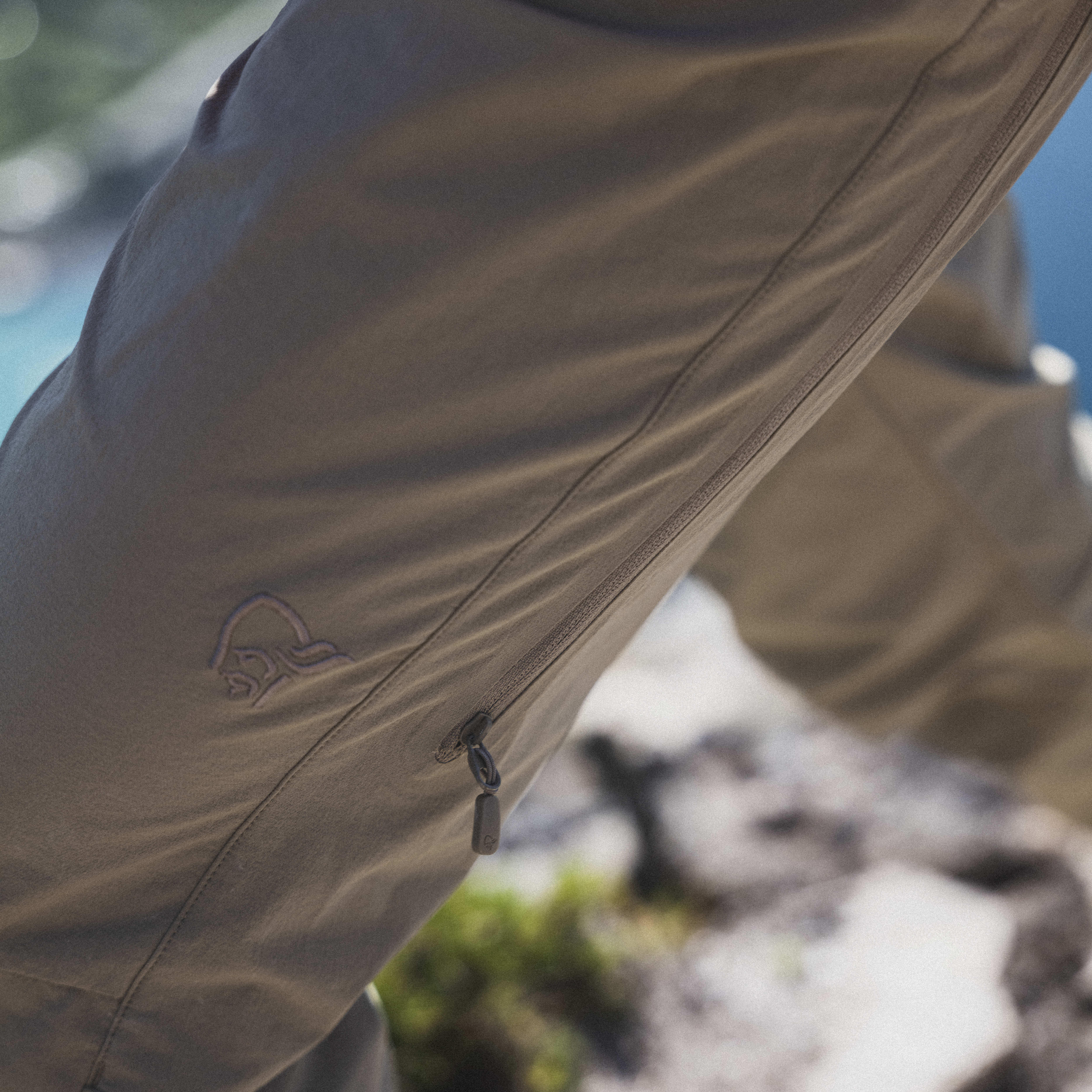
Softshell pants prioritise continuous comfort during movement while providing enough protection from wind, light precipitation and terrain for a wide range of mountain conditions.
When Do Waterproof Pants Add More Value?
Some days, weather and wet terrain become the bigger challenges.
Persistent rain, saturated vegetation, strong winds or prolonged exposure can gradually shift the balance towards protection. These conditions can keep hiking pants exposed to moisture for hours, making dependable waterproof protection increasingly valuable.
Choose waterproof pants when prolonged exposure to rain, wet vegetation or harsh weather matters more than breathability during sustained movement.
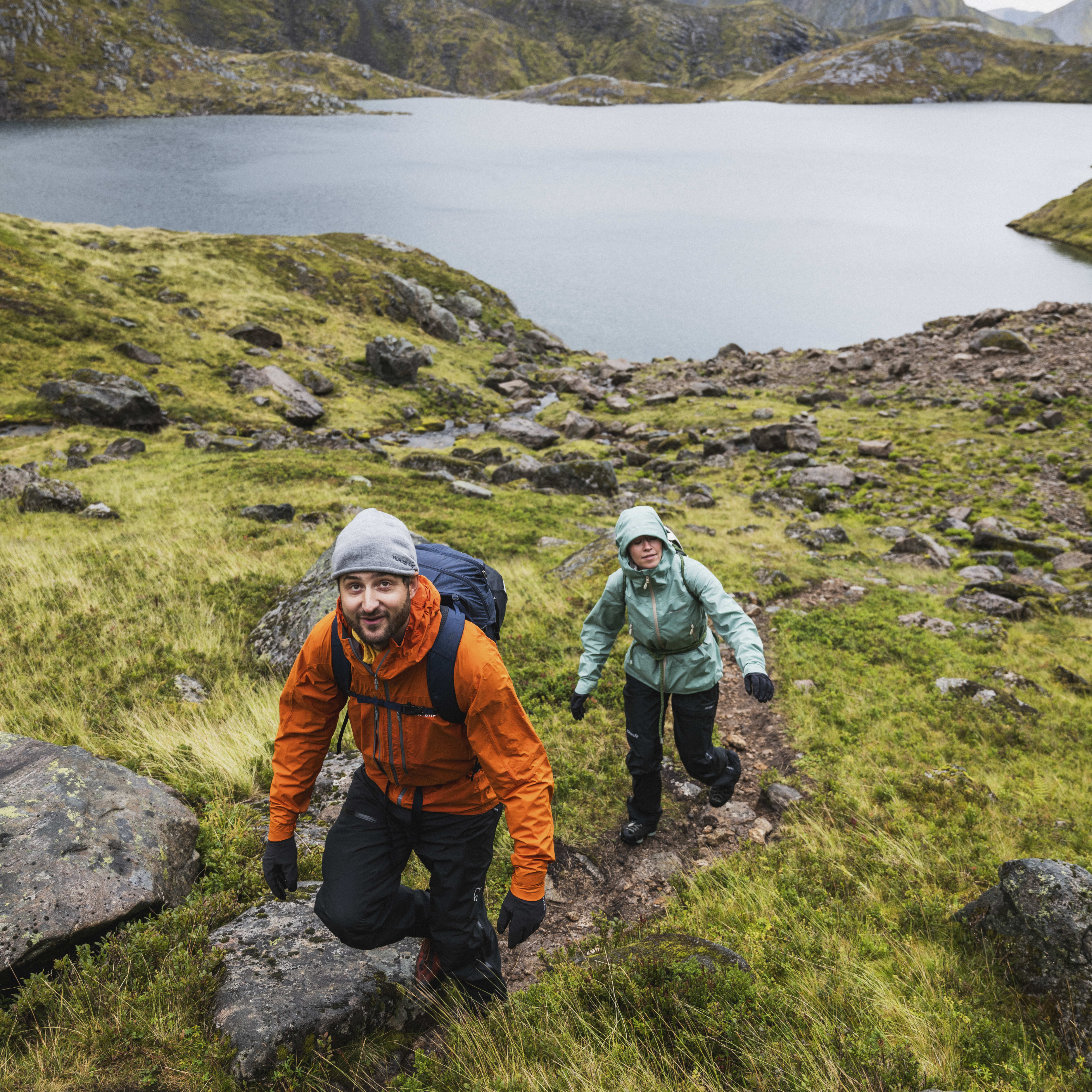
Prolonged rain isn't the only way hiking pants become wet. Hours spent moving through saturated grass, shrubs or other vegetation can expose the lower body to continuous moisture, making waterproof protection increasingly valuable even when rainfall itself is limited.
Which Hiking Pants Best Match Your Priorities?
Softshell and waterproof hiking pants can both work across a wide range of mountain conditions, but the balance between comfort and protection changes with activity level, terrain, weather and exposure.
Construction also matters. Softshell pants vary considerably in weight, breathability and weather resistance, while waterproof pants differ in durability, ventilation and overall protection. The specific garment and the conditions ahead can therefore matter just as much as the distinction between softshell and waterproof fabrics.
The situations below describe where each approach tends to offer particular advantages.
Long Days of Continuous Movement
Consider: Softshell
When you're hiking for hours at a time, breathability and freedom of movement have an increasing influence on comfort. Softshell pants are particularly well suited to sustained movement when the expected conditions don't require continuous waterproof protection.
Rough or Technical Terrain
Consider: Softshell
Stretch and freedom of movement become increasingly valuable when hiking involves steep terrain, scrambling or repeated changes in movement. More robust softshell constructions can also provide useful protection against rock, vegetation and repeated contact with rough terrain.
Persistent Rain or Saturated Vegetation
Consider: Waterproof Pants
Prolonged rain isn't the only way hiking pants become wet. Hours spent moving through saturated grass, shrubs or other vegetation can expose the lower body to continuous moisture, making waterproof protection increasingly valuable even when rainfall itself is limited.
Strong Wind and Prolonged Exposure
Consider: Waterproof Pants
When strong winds, wet conditions and exposed terrain become sustained parts of the day, dependable protection moves higher up the priority list. Waterproof pants provide a more complete barrier when remaining protected matters more than maximising breathability during movement.
Changing Weather Throughout the Day
Consider: Softshell + Waterproof Pants
When most of the day involves sustained movement but prolonged rain remains a realistic possibility, softshell pants can provide comfort for the majority of the hike while lightweight waterproof pants remain available when conditions change.
This approach allows you to adapt your level of protection rather than wearing waterproof pants throughout conditions that may not require them.
How Can Softshell and Waterproof Pants Work Together?
Choosing hiking pants doesn't always mean committing to one solution for the entire day.
On many hikes, breathable softshell pants provide the greatest comfort during sustained movement. Lightweight waterproof pants can remain packed until prolonged rain, wet vegetation or greater exposure makes additional protection worthwhile.
The objective isn't to wear more protection than the conditions require. It's to have the right level of protection available when conditions change.
How Do You Choose Between Softshell and Waterproof Hiking Pants?
The choice between softshell and waterproof hiking pants starts with understanding what your legs will be exposed to throughout the day.
If sustained movement, changing terrain and relatively stable conditions define the hike, softshell pants will often provide the better balance of breathability, freedom of movement and protection. If prolonged rain, saturated vegetation, strong winds or extended exposure are expected, waterproof pants become increasingly valuable.
When conditions are uncertain, the most versatile solution may be to hike in softshell pants and keep lightweight waterproof pants available if the weather changes.
The goal isn't to choose the most protective pants. It's to choose the level of protection the day actually requires.