
Published: Aug 27, 2026
A practical guide to restoring water repellency and maintaining comfort in outdoor clothing.
Understanding DWR
DWR stands for Durable Water Repellent. It is a treatment applied to the outer fabric of many outdoor garments that helps water bead up and roll off the surface instead of soaking into the fabric. Its purpose is not to make a garment waterproof, but to help the outer fabric shed water and stay drier in wet conditions.
DWR is commonly used on waterproof shell jackets, softshell garments, insulated jackets, hiking pants and many other types of technical outdoor clothing. Unlike a waterproof membrane, DWR is a surface treatment. Over time, it gradually wears down through normal use and occasionally needs to be restored.
Why doesn't water bead on my jacket anymore?
One of the most common misconceptions about outdoor clothing is that if the outer fabric starts absorbing water, the waterproof protection has failed. In many cases, that isn't what has happened.
Water repellency and waterproofness are not the same thing. DWR helps prevent the outer fabric from becoming saturated with water. Waterproofness comes from the garment's construction or waterproof membrane, which sits behind the face fabric.
This means a jacket can remain completely waterproof even after the DWR treatment has worn down. However, once the outer fabric becomes saturated, the garment often feels heavier, less breathable and less comfortable during prolonged rain.
Understanding this difference makes it much easier to know when DWR needs restoring.
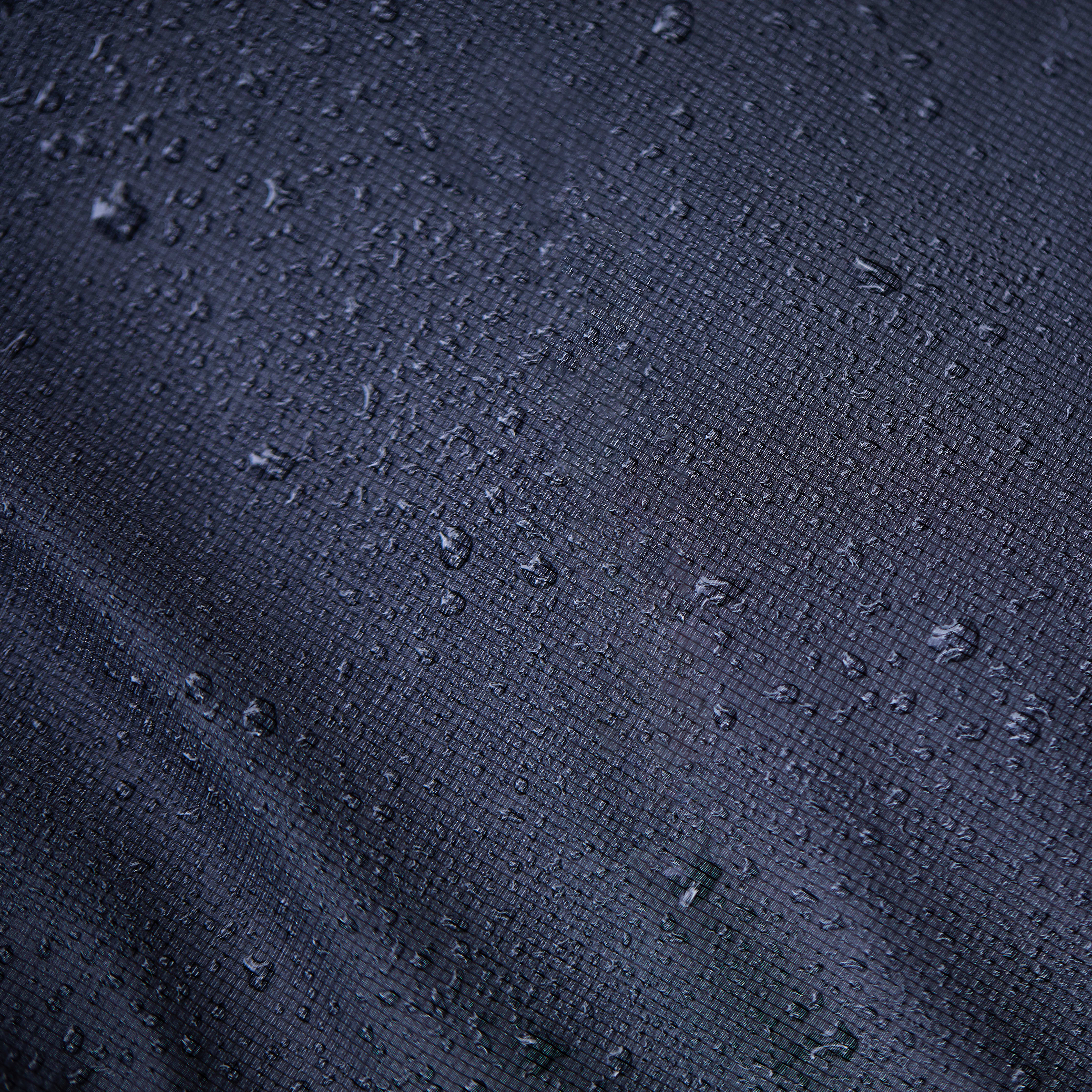
Water repellency and waterproofness are not the same thing. DWR helps prevent the outer fabric from becoming saturated with water.
Why does DWR wear off?
DWR is designed to withstand regular outdoor use, but it is not permanent.
Backpack straps, repeated movement, dirt, body oils, abrasion and normal washing gradually reduce the treatment's ability to repel water. This happens slowly over time and is considered a normal part of owning technical outdoor clothing.
Fortunately, worn DWR rarely means a garment needs replacing. In many cases, the treatment simply needs to be restored.
When should you restore DWR?
There is no universal schedule. Instead, restore DWR when the garment shows clear signs that the treatment has become less effective.
Look for these signs:
- Water no longer beads on the surface.
- The outer fabric begins absorbing rain.
- Washing and heat activation no longer restore water repellency.
- The outer fabric remains wet even after rain has eased.
Before restoring DWR
Many people assume that once DWR stops working, it must be replaced. In reality, dirt and body oils often reduce its effectiveness long before the treatment itself has completely worn away. Washing the garment followed by gentle heat may therefore be enough to restore water repellency. Only if this no longer works is it usually time to apply a new DWR treatment.
Before applying a new DWR treatment:
- Wash the garment according to the care label.
- Remove dirt, sweat and detergent residue.
- Check whether heat activation alone restores the existing treatment.
- Follow both the garment care label and the instructions supplied with the DWR product.
Heat activation
Many DWR treatments can be reactivated by gentle heat. After washing, tumble drying or another heat treatment recommended on the care label can help reactivate the existing DWR treatment.
This is why washing is often the first step when water repellency appears to have declined. In many cases, dirt has simply reduced the effectiveness of the existing treatment. Washing followed by gentle heat may restore water repellency without the need for a new DWR application.
If water still no longer beads after washing and heat activation, it is usually time to restore the DWR treatment.
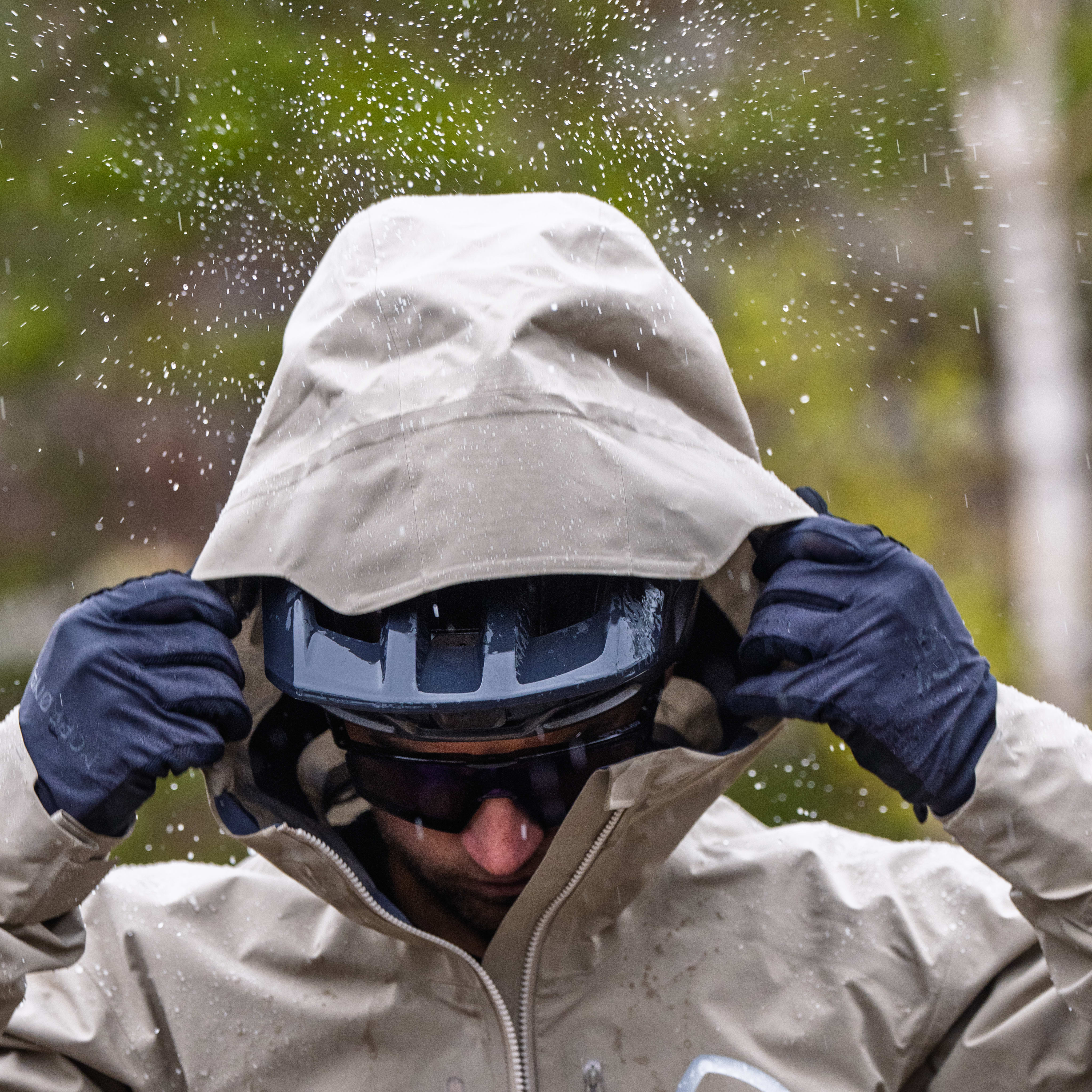
Restoring the treatment only when needed, combined with proper garment care, helps maintain water repellency over time.
Different ways to restore DWR
If water still no longer beads after washing and heat activation, the existing DWR treatment has likely reached the end of its useful life. At this point, restoring the treatment is often the next step. There are two common ways to do this, each with different advantages depending on the garment.
Spray-on treatments
Spray-on treatments are applied directly to the outer face fabric. This allows water repellency to be restored where it is needed most, without affecting the inside of the garment. For waterproof shell garments, this is often the preferred approach.
Wash-in treatments
Wash-in treatments restore DWR across the entire garment during the washing process. This can be a practical solution for some insulated garments, softshells and other technical clothing, although treating the entire garment is not always necessary.
Common mistakes
Most DWR mistakes come from misunderstanding what the treatment actually does.
Common mistakes include:
- Assuming poor water beading means the garment is no longer waterproof.
- Restoring DWR before washing the garment.
- Applying more product than recommended.
- Skipping heat activation when recommended.
- Using products that are not intended for technical outdoor clothing.
Restoring DWR is not about making a garment waterproof again. It is about restoring the outer fabric's ability to repel water and remain comfortable in wet conditions.

Regular washing removes dirt and body oils that gradually reduce the effectiveness of DWR. Restoring the treatment only when needed, combined with proper garment care, helps maintain water repellency over time.
Making DWR last longer
Regular washing removes dirt and body oils that gradually reduce the effectiveness of DWR. Restoring the treatment only when needed, combined with proper garment care, helps maintain water repellency over time.
Looking after DWR helps technical outdoor clothing continue shedding water as intended, improving comfort during prolonged use in wet conditions. Keeping the outer fabric drier also helps maintain breathability and reduces the clammy feeling that can develop when the fabric becomes saturated. The result is a garment that continues performing more consistently as weather, terrain and activity levels change.