
Published: Sep 29, 2026
Synthetic insulation is built for uncertainty. It provides dependable warmth when moisture, weather and activity levels are difficult to predict.
A ski tour in Lyngen may begin in cold, dry conditions before transitioning into wet snowfall later in the day. An alpine climb can involve hours of sustained movement followed by long periods of inactivity at belay stations. Even in winter, a single day in the mountains can expose insulation to changing temperatures, activity levels and moisture.
Synthetic insulation works by trapping air within a structure of synthetic fibres, slowing the loss of body heat. Unlike down, synthetic fibres generally retain more of their insulating performance when damp and dry more quickly after exposure to moisture. This makes synthetic insulation particularly useful in variable mountain conditions, where staying completely dry is not always possible and dependable performance can matter more than achieving the lowest possible weight.
→ Learn more about Layering
Why Does Synthetic Insulation Exist?
Insulation becomes more difficult to manage when warmth and moisture need to be handled at the same time. During sustained movement, the body generates heat and moisture; when activity slows, retaining warmth quickly becomes more important.
Synthetic insulation provides a practical solution to this tension. It can provide useful warmth while tolerating moisture better than down and drying relatively quickly after exposure. Depending on its construction, it can also be used across periods of both movement and lower activity.
The value of synthetic insulation is therefore not maximum warmth or minimum weight. It is the margin for error it provides when activity levels, moisture and conditions are difficult to control.
Where Does Moisture in an Insulation System Come From?
Moisture can reach an insulation layer from both the environment and the person wearing it. Rain, wet snow and humid conditions create external moisture, while sustained movement generates heat and perspiration within the clothing system.
During activities such as ski touring and mountaineering, moisture generated by the body can become particularly relevant. Even when the weather remains cold and relatively dry, perspiration from a long climb can move through the layering system and reach the insulation. Synthetic insulation is particularly useful in these situations because it tolerates moisture better than down and dries relatively quickly, helping maintain dependable insulation when keeping a layer completely dry is difficult.
Why Different Levels of Synthetic Insulation Exist
The amount of insulation a mountain garment needs depends on both the conditions and how much heat the wearer generates. Several hours of climbing on a ski tour create very different demands from standing at a belay, moving slowly in cold weather or setting up camp at the end of the day.
Different insulation weights shift the balance between warmth, breathability, mobility and packability. Lighter constructions can provide enough insulation for sustained movement without trapping unnecessary heat, while heavier constructions prioritise warmth when temperatures fall or activity levels drop.
At Norrøna, Thermo40™, Thermo60™ and Thermo100™ represent different levels of synthetic insulation for different combinations of activity and conditions. The numbers do not indicate better or worse performance; they help distinguish how much insulation a garment is intended to provide.
Thermo40™: Prioritising Movement
Thermo40™ provides lightweight insulation for activities where heat management and mobility remain important. It is particularly useful during sustained movement, such as ski touring and fast-moving alpine objectives, where too much insulation can quickly become uncomfortable.
The falketind thermo40 Zip Hood is one example of this approach.


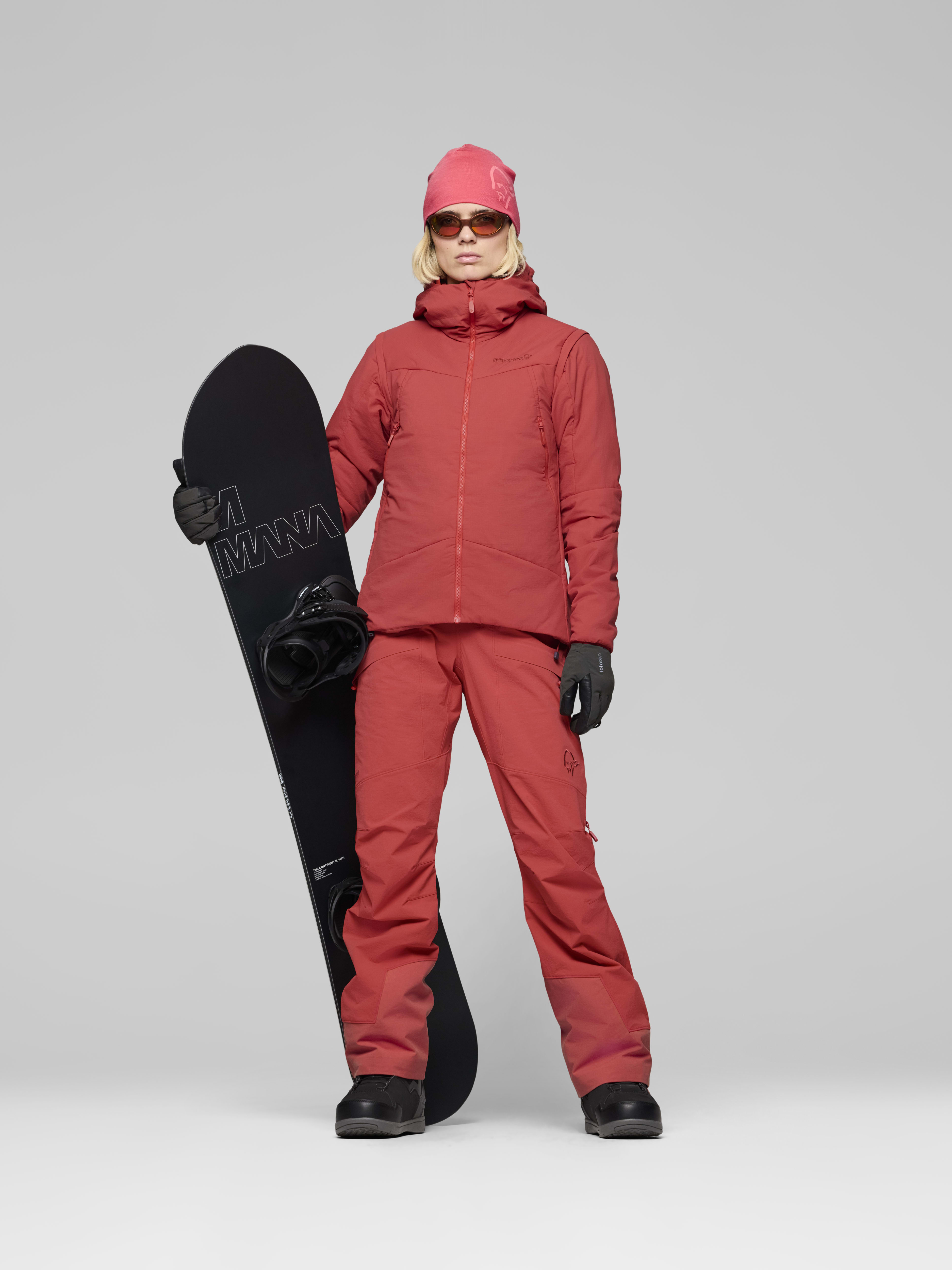
Thermo60™: Lightweight Synthetic Insulation
Thermo60™ uses a lighter level of synthetic insulation to provide warmth without adding unnecessary bulk. It can be used in different garment constructions depending on the intended activity, balancing insulation with factors such as breathability, weather protection and freedom of movement.
The femund thermo60 Zip Hood and møre thermo60 aero200 Jacket show how the same level of insulation can be used in garments designed for different conditions and activities.


Thermo100™: More Insulation, Not Necessarily a Warmer Jacket
Thermo100™ uses more insulation than Thermo60™, but this does not automatically mean that every Thermo100™ garment is warmer than every Thermo60™ garment. Overall warmth also depends on how much of the garment is insulated, how the insulation is distributed, and how the rest of the garment is constructed.
The trollveggen thermo100 rescue Hood and lyngen thermo100 active Zip Hood illustrate this particularly well. Both use Thermo100™ insulation, but their different constructions allow that insulation to perform very different roles.
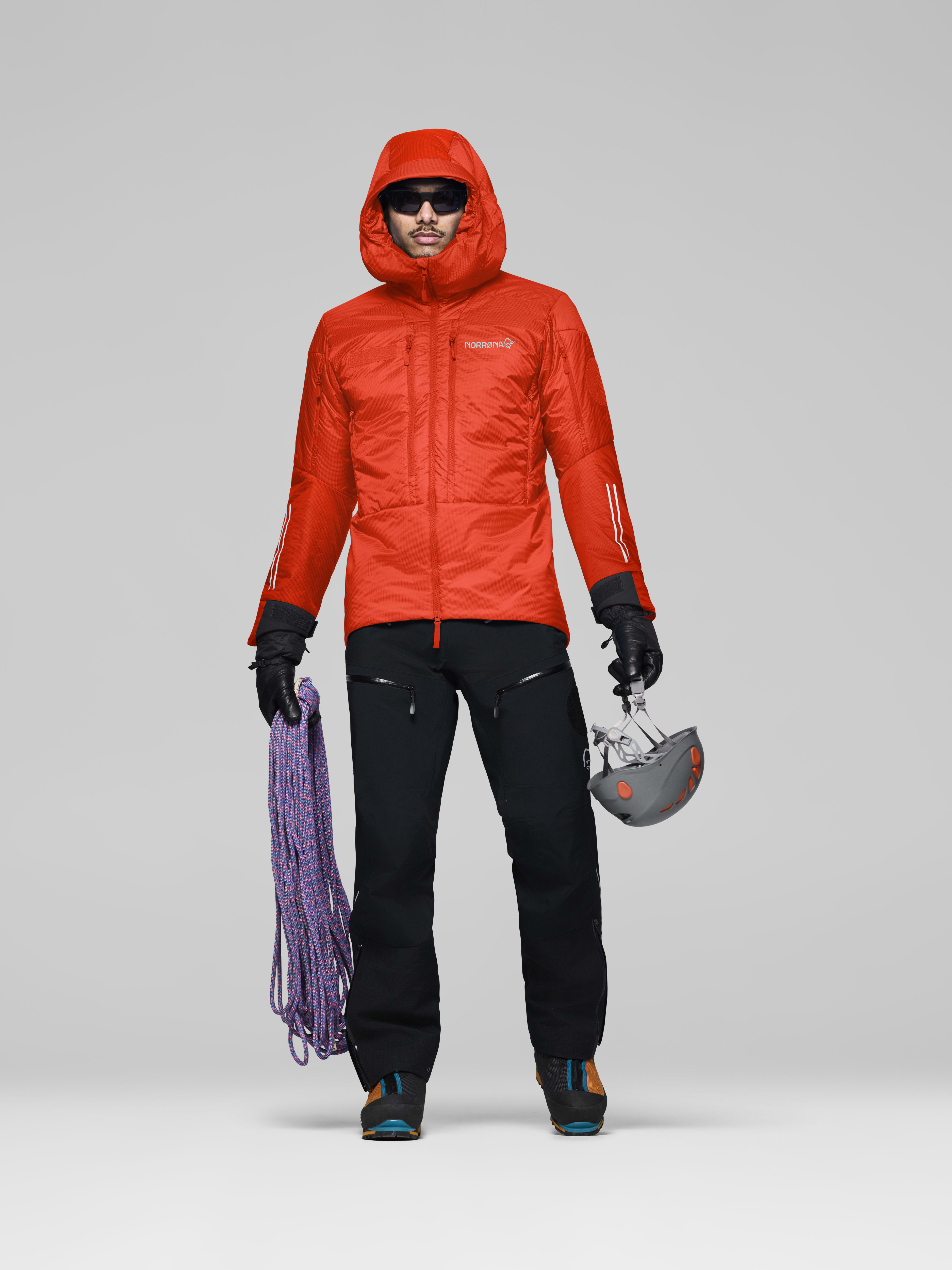
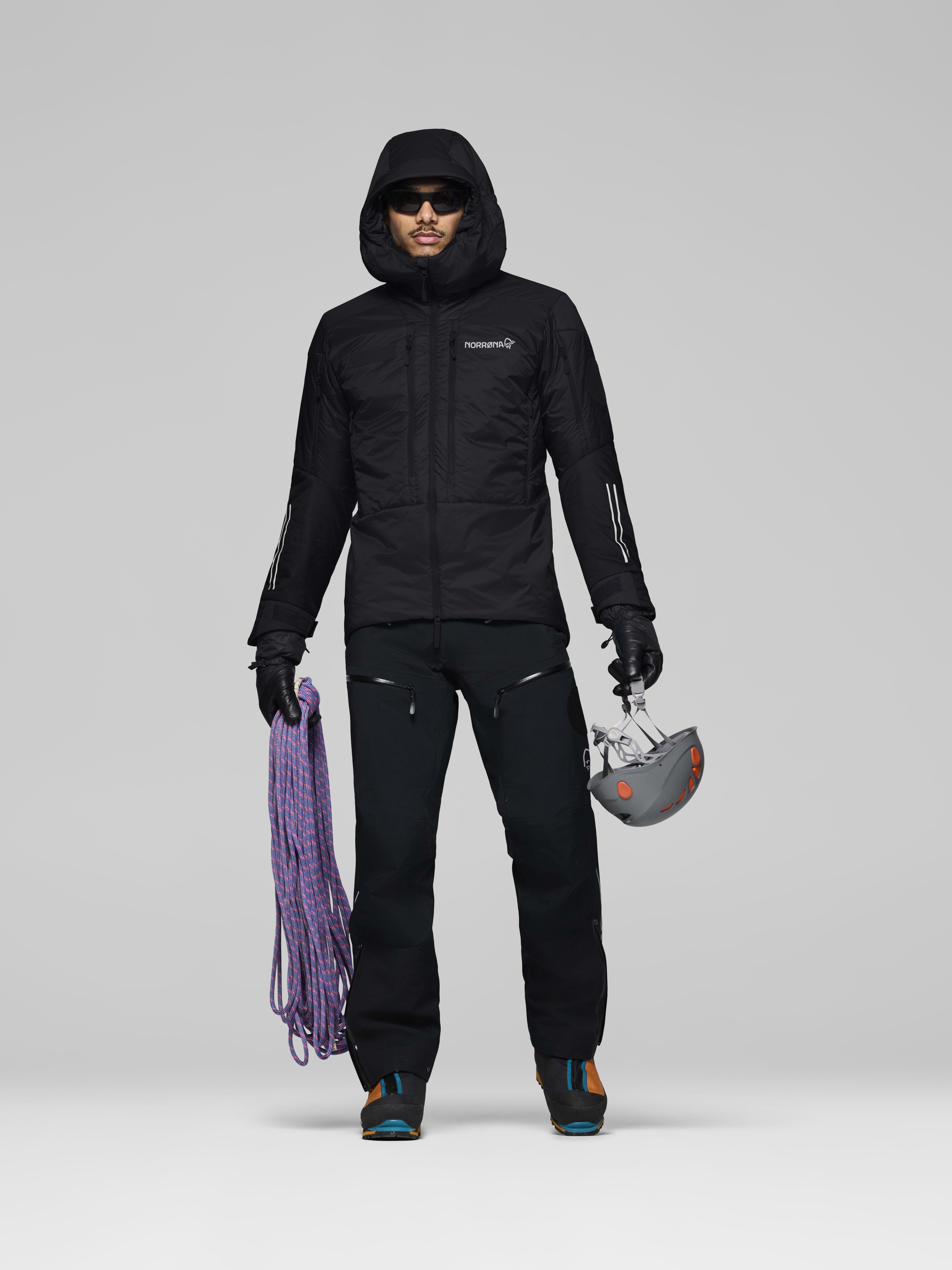
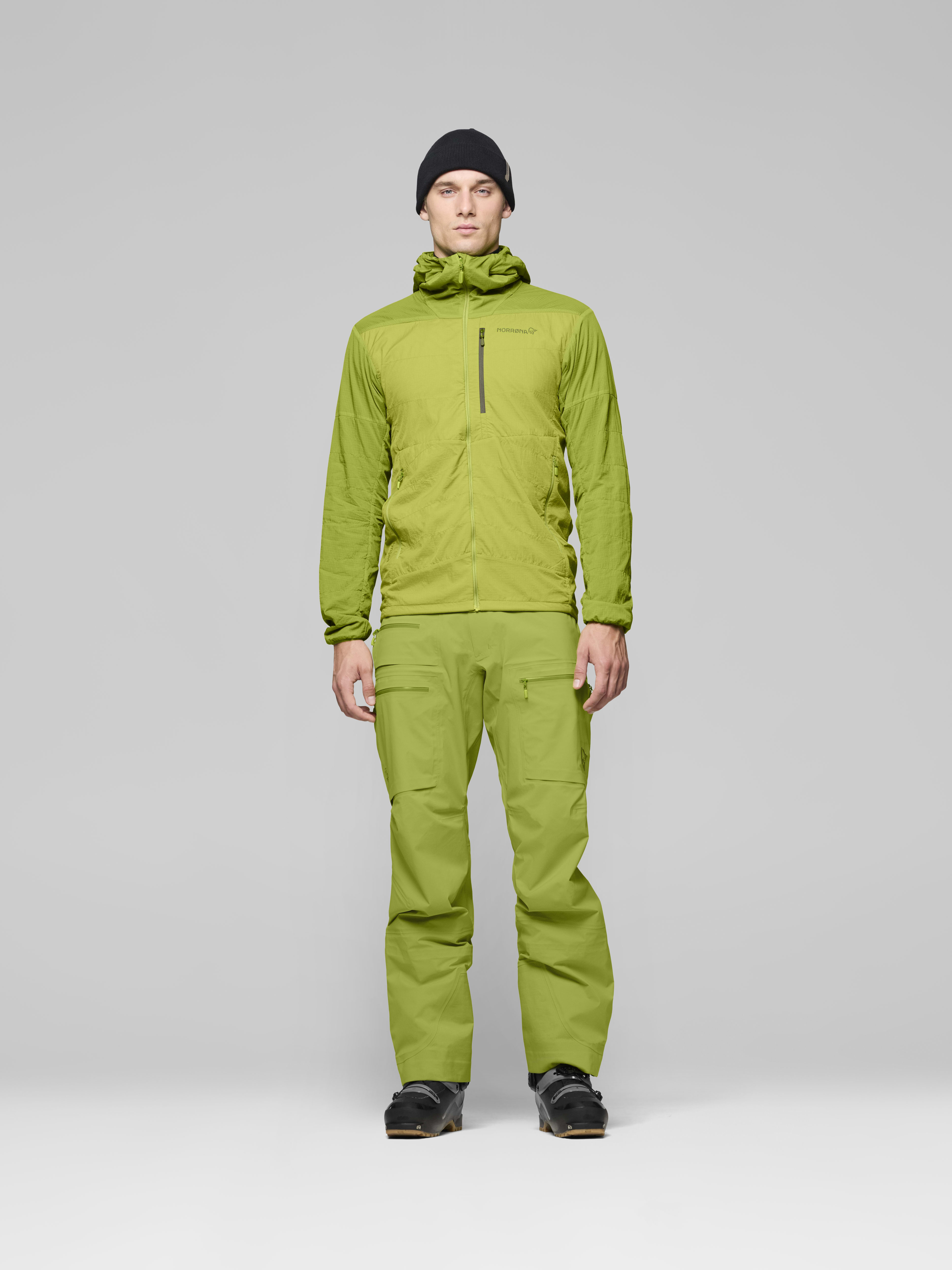
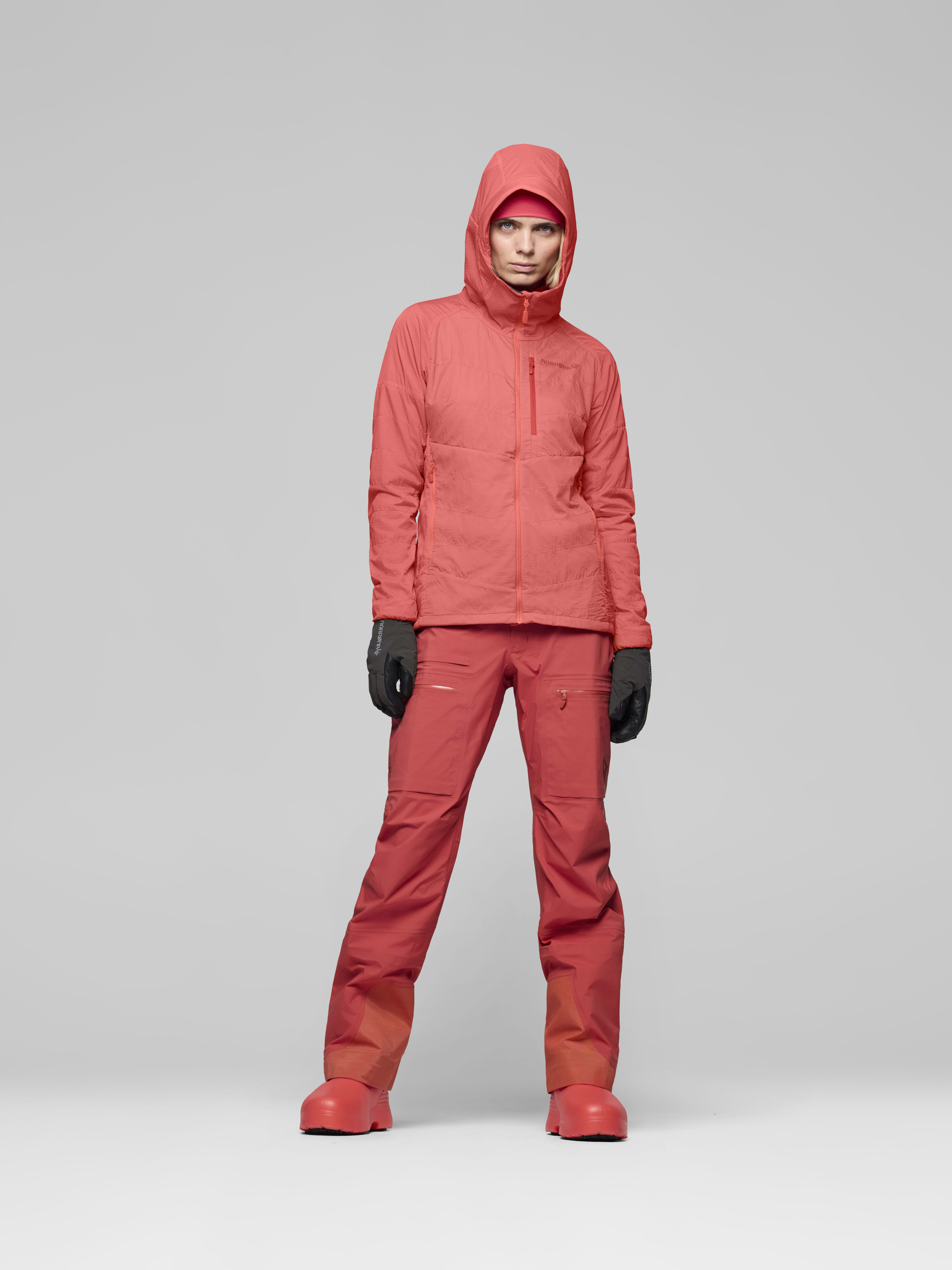
Thermo40™, Thermo60™ and Thermo100™ describe different levels of insulation, but they do not determine the warmth of a garment on their own. Activity level, conditions and the overall garment construction all influence how much insulation you need.
Is Synthetic Insulation Better Than Down?
Synthetic insulation is not inherently better than down. The two insulation types offer different performance advantages, and the right choice depends on the conditions, activity and priorities of the journey.
Synthetic Insulation: Reliability in Variable Conditions
Synthetic insulation retains more of its insulating performance when damp and generally dries faster than down. This makes it particularly useful during active mountain travel, prolonged exposure to moisture and situations where keeping an insulation layer completely dry may be difficult.
The trade-off is efficiency. Synthetic insulation generally requires more weight and bulk than high-quality down to provide a comparable level of warmth.
Down: Maximum Warmth at Minimum Weight
Down provides exceptional warmth relative to its weight and pack volume. This makes it particularly valuable when weight and packability matter, or when activity levels drop and preserving body heat becomes the priority.
Down is more sensitive to moisture than synthetic insulation, making moisture management and protection particularly important when conditions are wet or unpredictable.
Hybrid Insulation: Combining Different Strengths
Down and synthetic insulation can also be used within the same garment. Hybrid constructions place each insulation type where its particular characteristics are most useful, allowing designers to balance warmth, weight, moisture tolerance and durability within a single product.
The lyngen down850 Knickers are one example. Down provides lightweight, packable warmth across most of the garment, while PrimaLoft® synthetic insulation is used in the seat, an area particularly exposed to wear. Unlike loose down clusters, the synthetic insulation is designed to remain in place if the outer fabric is damaged, helping the seat continue to provide warmth even after a tear.


Hybrid insulation is therefore not simply about combining two materials. It allows different parts of a garment to be designed around the specific demands they are most likely to encounter.
How Long Does Synthetic Insulation Last?
Synthetic insulation can remain functional for many years, but its performance can gradually change with use. Repeated compression, wear and improper care can reduce loft over time, limiting the amount of air the insulation can trap and eventually reducing warmth.
How quickly this happens depends on the insulation construction, how the garment is used and how it is cared for. Proper storage and maintenance can help preserve loft and extend the useful life of the garment.
To help synthetic insulation perform for longer:
- Wash according to the garment's care instructions.
- Avoid storing the garment compressed for extended periods.
- Allow it to dry thoroughly before storage.
- Repair small tears before they develop into larger damage.
- Store the garment clean and dry.
With appropriate care and timely repairs, a synthetic insulated garment can continue providing dependable warmth across years of mountain use.
→ Learn more about Care & Repair
→ How to Extend the Life of Outdoor Clothing
Responsibility Beyond Performance
Synthetic insulation relies on manufactured fibres, making material selection an important part of its environmental impact. Recycled fibres can reduce the demand for virgin materials, while improvements in construction and manufacturing can help reduce impact without compromising the performance required for mountain use.
Material choice is only part of the equation. Durability and repairability determine how long those resources remain useful. A synthetic insulated garment that continues performing season after season reduces the need for replacement and makes better use of the materials and energy required to produce it.
Responsible material choices matter at the beginning of a product's life. Keeping that product in use for as long as possible matters throughout the rest of it.
Choosing the Right Insulation System
Choosing insulation is not simply about finding the warmest or lightest option. The right system depends on the conditions, activity level and amount of moisture the insulation is likely to encounter.
Synthetic insulation becomes particularly valuable when conditions are variable, moisture is difficult to avoid and dependable warmth matters more than achieving the lowest possible weight. Down offers different advantages when warmth-to-weight and packability become the priority, while hybrid constructions can combine the strengths of both.
The most useful question is therefore not which insulation is best, but which insulation best matches the demands of the journey ahead.
→ Learn more about Layering