
Text: Alice Asplund
Published: Mar 11, 2026
Knowing what to bring on a multi-day hike is not always an easy task. In this article, Alice Asplund talks you through the 10 essential items that always go in her backpack, ensuring comfort and safety on any trail.
1. Your backpack is the first thing to consider when going over multiple days with lots of equipment and a heavy load. I often use a larger pack in the 60-85 liter range, with lots of internal space and clever solutions for hanging gear on the outside of the pack. How the backpack fits on your back is very important to consider. You want the heavy load to be distributed properly. If you haven’t already, adjust the backpack before heading out on the trail so you can steer clear of unnecessarily sore shoulders and a dent in morale. I also like to keep a rain cover for the backpack in the top lid, easily available for quick changes in the weather.
2. First aid equipment is truly a necessity on trips like this. If you encounter an injury far from civilization, it's important to be able to administer first aid, so I always have this easily accessible at the top of my backpack. Keep some blister plasters too! Even though I usually wear shoes that I've broken in, longer distances and new types of terrain can sometimes affect the friction inside the shoe, and blisters or sores can occur. Very uncomfortable, but easy to avoid if you’re prepared!
In addition, I bring sunscreen SPF 50. I often hike in the mountains where the sun is much stronger and more intense than many other places. Even when it's cloudy, the sun can still affect the skin. I always use SPF 50 to avoid sunburn. If you're really unlucky and get very burned, you can potentially get a headache and fever as well. Definitely something that can make your trip less enjoyable and maybe even cause you to abort. Respect the sun!
3. Waterproof bags are something I always bring on a hike. If your clothes get wet, you dry them in your tent or in better weather. But if electronic equipment gets wet and breaks, you suddenly have a problem. To be on the safe side, I always pack my electronic equipment in a waterproof bag. This includes power banks, batteries, headlamps, camera equipment and so on. In addition, I put a matchbox in there, as it's incredibly annoying and hard to light a fire with your potentially soaked matches.
4. A good and warm sleeping bag is incredibly important to me. I hate being cold, and I tend to freeze easily, so I prefer to bring an extra thick sleeping bag . Usually, I bring a 3-4 season sleeping bag, as I find it much more comfortable to use the sleeping bag as a duvet if it's warm, than to wrap myself in lots of clothes and shiver through the night with a thinner bag. A good night's sleep is incredibly important to recharge your batteries for the next day's kilometers, so I would prioritize space and weight here for a good bag. Pair it with a proper sleeping mat and you’ll be good to go!
5. A map and a compass might come in handy! I won't boast that I'm a wizard with the map myself, but it's definitely handy to have if you end up in an area without phone coverage or an area that is poorly marked or signposted. Regardless of how well you know the area you're hiking in, having a map and compass can be wise as you might suddenly encounter fog or bad weather that impairs visibility. Definitely a must, and keep it in something waterproof so it doesn't crumble at the first rain shower.
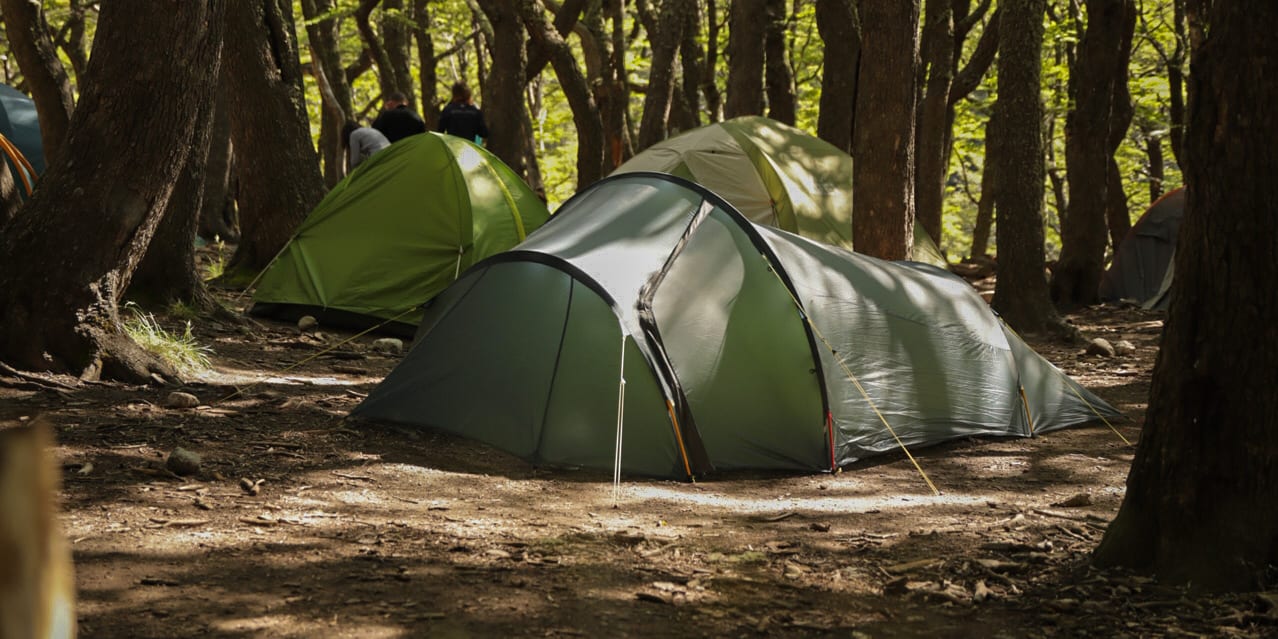
6. Now for your shelter during the trip, the infamous tent! Personally, I always bring repair kits and extra poles, just in case. Being able to fix big holes and tears in the fabric, or replace a broken pole can ultimately determine whether or not you can continue your hike, if you get unlucky. So far, I’ve been fine, but the thought of standing there in rain or wind, with insects trying to get in through the tear, makes me conclude that it's nice to be able to patch it up to get the privacy you want.
7. I often bring a book on my hikes, so that I have something pleasant to occupy my time with if I end up as a weather hostage in my own tent. Preferably a book I haven't already started, so I have a lot of pages available in case the weather gods are really nasty. If you're hiking with others, keeping a deck of cards or something similar is perfect. It takes up very little space and can do a lot for the mood and group atmosphere.
8. Enough food is incredibly important when you cover long distances. Naturally, when I'm very active, I also get very hungry. For the sake of comfort, I'm willing to carry a slightly heavier pack to make sure I have enough food and drink with me. Breakfast, lunch, and dinner of course, but also treats like chocolate, biscuits, or the like, which quickly provide energy. I also tend to get cravings in the evenings when I'm active outdoors, so being able to indulge in some extra treats in the sleeping bag is always nice.
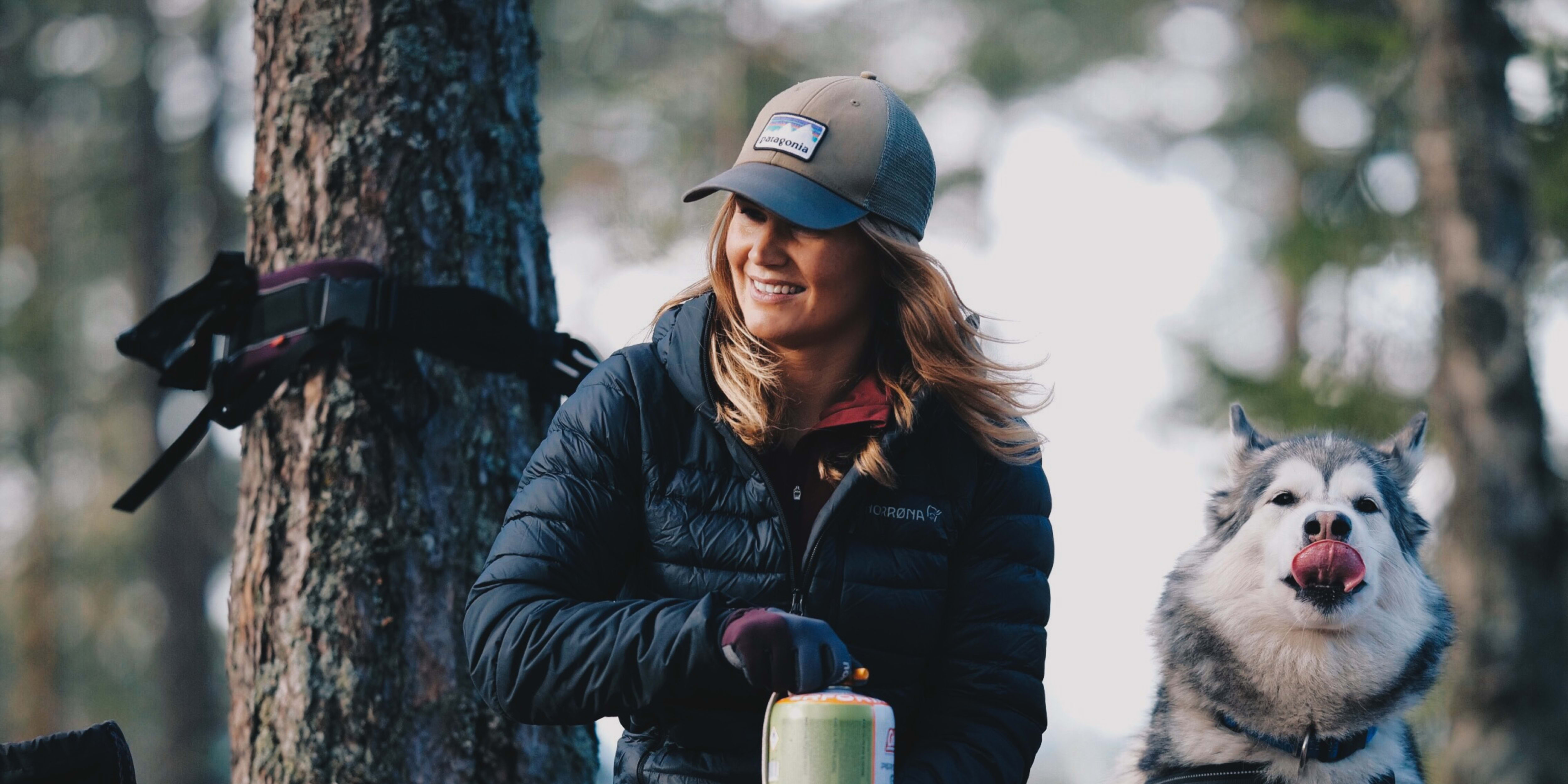
9. I have to mention firesteel and multitool. You never know when something needs to be whittled, cut, fixed or lit. Longer hikes often makes for unexpected things to happen, so I always make sure to keep these small, but handy items available.
As mentioned, I always keep matches in a waterproof bag. But if (or when) they get damp or run out, having a firesteel at hand will save the day - and the next. The multitool speaks for itself. It is small, light and handy lifesafer that can cover a wide range of needs on the spot. You never really know when you'll need it, but trust me: the one time you leave it in a drawer at home is the time you'll wish you'd brought it!
10. Bring enough wool. Now I feel like I’m repeating myself, but this remains a must for me. Wool is a real lifesaver, regardless of temperature and weather. It's temperature regulating, and can spare you from unnecessary sweat and energy loss. Wool helps transport moisture away from the skin, and when the fibers absorb moisture, heat is also generated.
In addition, wool dries incredibly quickly and is odor resistant. Make sure to air your garment after a long day, and it will probably stay fresh and comfortable for many days!
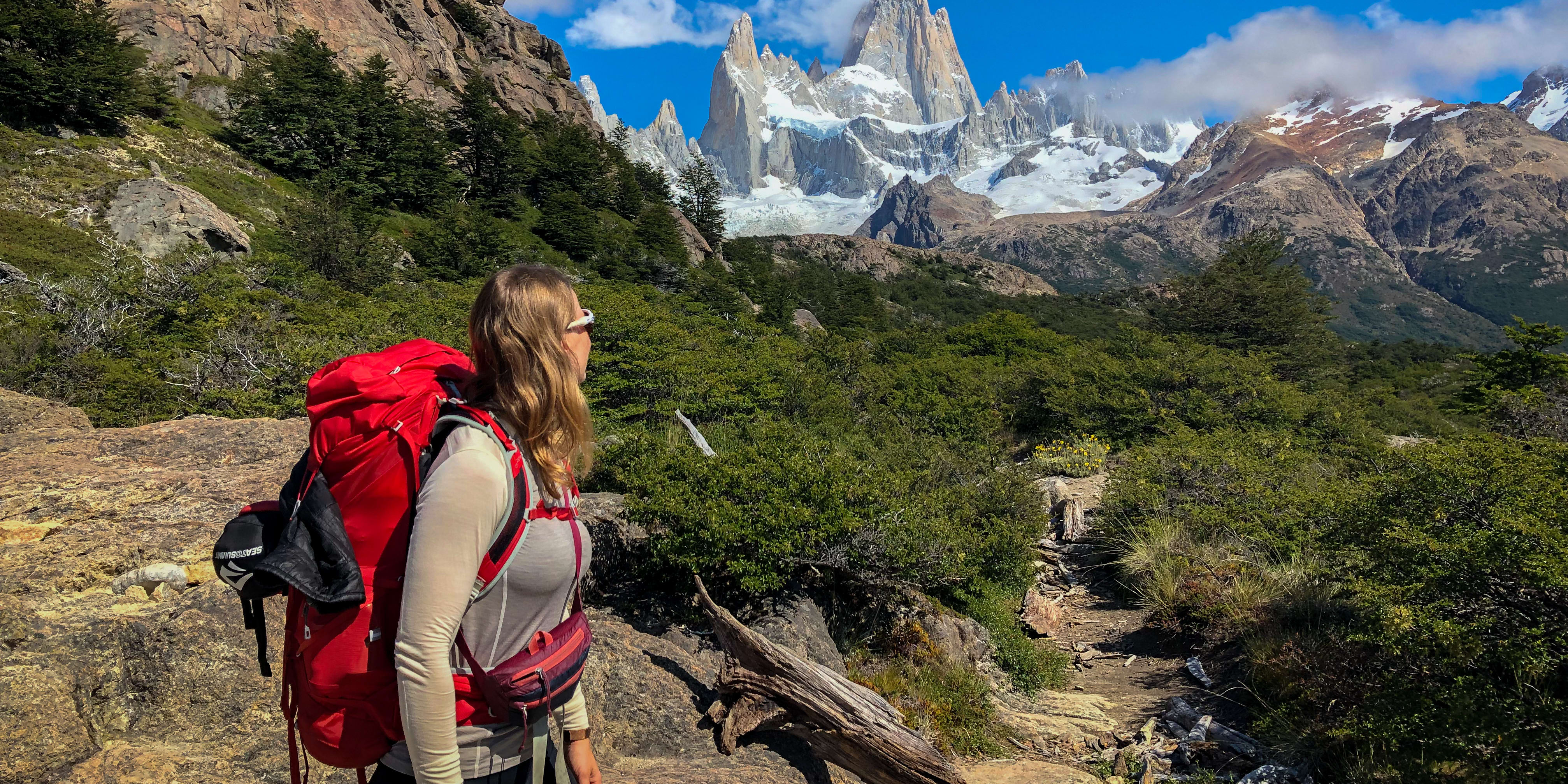
These are my 10 most essential things that I bring on my multi-day trips, to make them safe and comfortable. I do of course pack loads of other gear in my 85 liter backpack, but the mentioned items are the ones I always make sure to bring.
There you have it! The ultimate survival kit for a safe and exciting multi-day hike. And remember, folks, laughter is the best trail companion!