
Published: Sep 11, 2026
A practical guide to warmth, packability and versatility—so you can choose the right down jacket for the conditions you actually face.
Few outdoor garments provide as much warmth for their weight as a down jacket. That combination of warmth, low weight and packability makes down particularly useful in the mountains, where insulation often needs to provide significant warmth without taking up unnecessary space in your backpack.
But not every down jacket is designed to solve the same problem. A lightweight jacket carried for summit stops has different priorities from one designed for cold-weather mountaineering or everyday winter use. Temperature matters, but so do activity level, exposure, packability and the amount of time you expect to spend moving or standing still.
The challenge isn't finding the warmest down jacket. It's finding the right amount of warmth for the way you actually spend time outdoors.
Start With How Much Warmth You Actually Need
Choosing a down jacket often starts with a simple question: how warm is it?
Temperature matters, but it is only part of the answer. How much warmth you need also depends on how hard you're moving, how exposed you are, how long you expect to remain inactive and how the jacket fits into the rest of your clothing system.
A down jacket worn during a cold hike has a different job from one pulled on during a winter summit stop. During sustained movement, your body generates much of the heat you need. When you stop, that heat production drops quickly and insulation becomes increasingly important. The colder the conditions and the longer you expect to remain inactive, the more valuable additional warmth becomes.
The goal is not simply to maximise warmth, but to match insulation to the conditions and situations you expect to encounter. In colder environments or during long periods of inactivity, greater warmth can be essential. During sustained movement or when the jacket spends much of the day in your backpack, lower weight and packability may become equally important.
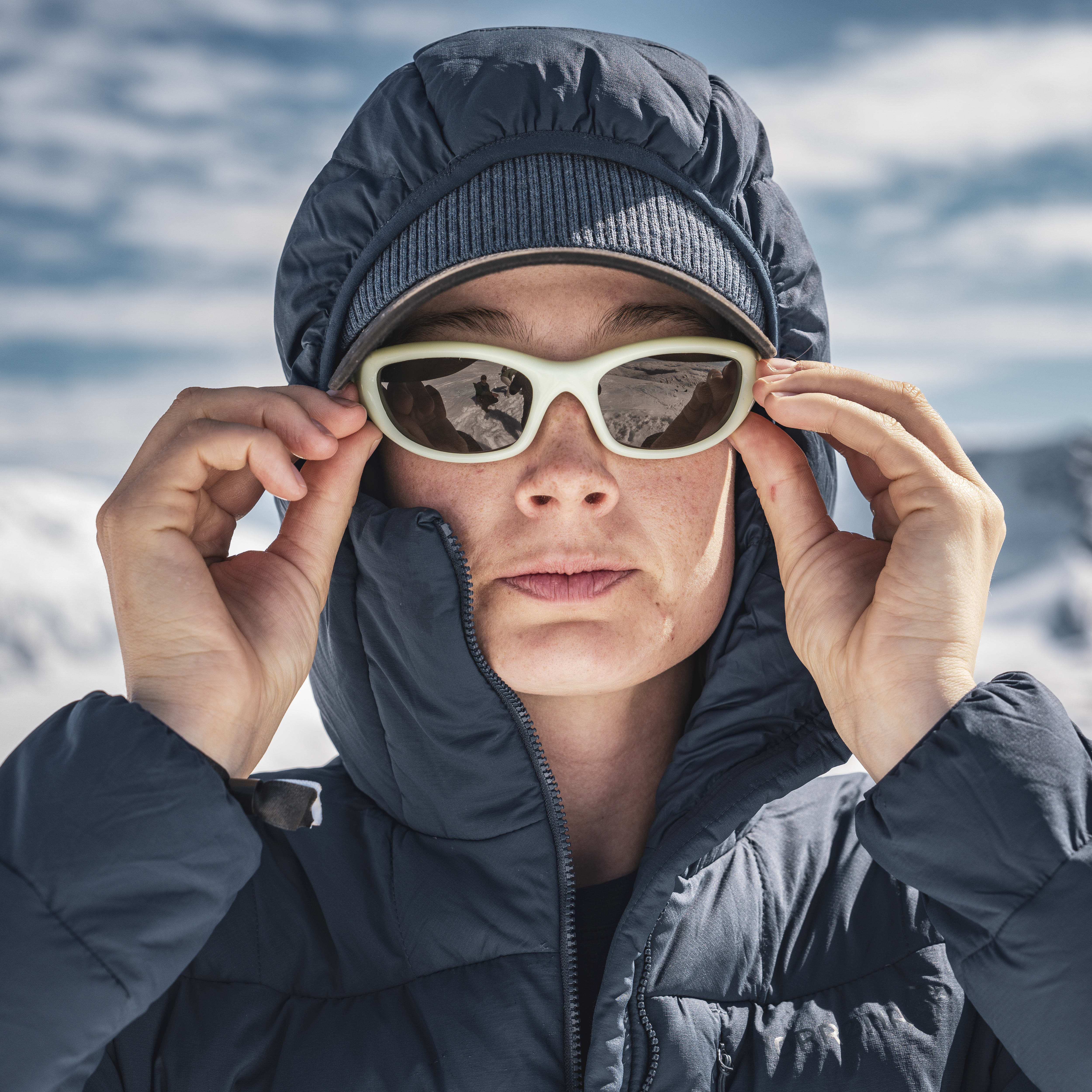
The goal is not simply to maximise warmth, but to match insulation to the conditions and situations you expect to encounter.
What Actually Makes a Down Jacket Warm?
Fill power is useful when comparing down jackets, but it does not tell you how warm the jacket will be. It describes how much the down expands relative to its weight, which influences how efficiently it can trap insulating air.
The amount of down matters too, along with how the insulation is distributed and how the jacket is constructed. A smaller amount of high-fill-power down is therefore not necessarily warmer than a larger amount of lower-fill-power down.
Think of fill power as a measure of insulation efficiency rather than overall warmth.
If You're Looking for One Down Jacket
If you're looking for one down jacket, versatility often comes from balancing warmth with weight and packability. The jacket needs to provide useful insulation when conditions demand it without becoming unnecessarily heavy or bulky when carried.
The falketind down750 Zip Hood was developed around this balance. Originally designed for year-round mountaineering, it combines warmth, low weight and packability across a wide range of mountain activities and conditions.


When Activity-Specific Design Matters
A versatile down jacket is often the right place to start. Some activities, however, place more specific demands on warmth, weight, packability, durability and layering compatibility.
As those demands change, the ideal balance changes too. The best choice depends not only on the activity itself, but also on the conditions you expect to encounter, how much warmth you need and whether the jacket will spend more time being worn or carried.
Fast & Light Mountain Use
Primary challenge: Maximising warmth while minimising weight and pack size
For fast-moving mountain days, insulation often spends more time in the backpack than on the body. Long approaches and sustained movement increase the value of carrying less, while stops, changing weather and unexpected delays still require dependable warmth.
This is where warmth-to-weight and packability become particularly important. Lightweight fabrics, high-quality down and minimalist constructions can provide substantial insulation without taking up unnecessary space in a mountain pack.
If low weight and packability are your highest priorities, the trollveggen down800 super light Hood is the natural starting point. It is designed to provide efficient warmth in a lightweight, highly packable construction for mountain use.


Ski Touring
Primary challenge: Providing warmth when movement stops
Most of a ski tour is spent generating heat while moving uphill. A down jacket may therefore remain packed away until a transition, summit stop or unexpected delay, when heat production drops and additional insulation becomes valuable very quickly.
Ski touring insulation needs to combine warmth with low pack volume and freedom of movement. The jacket should be easy to carry during sustained climbs and provide useful insulation when activity decreases.
The lyngen down850 Hood is designed around these demands, balancing warmth, mobility and packability for changing winter conditions.
A down jacket is only one part of a ski touring clothing system. The layers worn underneath often have just as much impact on comfort throughout the day.
→ Read: What to Wear Ski Touring


Alpine Climbing & Mountaineering
Primary challenge: Maintaining warmth during prolonged exposure
Alpine climbing and mountaineering can combine cold temperatures, strong winds and periods of lower activity in exposed terrain. As exposure increases and time spent moving decreases, dependable insulation becomes increasingly important.
Garment design matters here too. Helmet-compatible hoods, pockets that remain accessible while wearing a harness and enough room to layer comfortably can become important features during technical mountain use.
The trollveggen down800 Hood is designed around these demands, combining substantial insulation with weather protection and features developed for technical mountain environments.


Outdoor Life & Everyday Winter Use
Primary challenge: Balancing warmth, comfort and durability across frequent use
Not every down jacket needs to prioritise minimum weight and maximum packability. When a jacket is worn frequently for forest walks, cabin trips, travel and everyday winter use, comfort and durability can become just as important as how small it packs.
This shifts the design towards a different balance. More robust materials and an emphasis on everyday comfort may add some weight, but can make the jacket better suited to frequent use across changing seasons and situations.
The femund down700 Zip Hood is designed around this broader range of use, prioritising warmth, comfort, durability and versatility over minimum weight.


What Matters Most After a Full Day Outdoors?
Technical specifications can help you compare down jackets. After several hours outdoors, however, the characteristics you notice most are often the ones that determine how useful the jacket actually is.
Packability matters because down insulation is often carried until additional warmth is needed. A jacket that provides the warmth you need while taking up relatively little space can be easier to bring on mountain days where pack space and weight matter.
Fit influences both warmth and layering. A down jacket should allow enough room for the layers you expect to wear underneath without creating unnecessary volume or restricting movement. How the jacket fits within the rest of your clothing system can therefore be just as important as how it feels on its own.
Hood design can make a significant difference when temperatures drop or exposure increases. For technical mountain use, compatibility with helmets and other layers may be important. In less exposed conditions, some users may prefer a hoodless design for lower bulk and easier layering.
Pocket placement becomes particularly important when wearing a backpack or climbing harness. Pockets that remain accessible with other equipment in place are often more useful than their size or number alone might suggest, while internal pockets can provide useful storage for gloves and other essentials.
Durability becomes increasingly important when a down jacket is worn frequently rather than primarily carried. Lightweight face fabrics can reduce weight and pack size, while more robust materials can provide greater resistance to repeated use, backpacks and rougher environments.
The right details depend on the role your down jacket needs to play, whether it's carried for additional warmth, worn through cold conditions or relied on as part of a technical mountain system.
Common Mistakes When Choosing a Down Jacket
One of the most common mistakes when choosing a down jacket is assuming that more warmth automatically makes a jacket more useful. Additional insulation can be essential in cold conditions and during prolonged periods of inactivity, but it also increases weight and bulk. The right level of warmth depends on where, when and how you expect to use the jacket.
Another common mistake is comparing jackets by fill power alone. Higher fill power means the down expands more relative to its weight, allowing it to trap insulating air efficiently, but it does not necessarily mean the jacket is warmer. The amount of down and the overall construction also influence how much warmth the jacket provides.
It's also easy to overlook how much time the jacket will spend being worn versus carried. If it stays in your backpack until you stop, low weight and packability may deserve greater priority. If you expect to wear it for long periods, warmth, durability, fit and functional details may become more important.
Every down jacket involves trade-offs. Choose the balance that best matches the conditions and situations you expect to encounter most often.

Every down jacket involves trade-offs. Choose the balance that best matches the conditions and situations you expect to encounter most often.
Make Your Down Jacket Last Longer
Proper care helps preserve the loft, warmth and performance of down and can keep a well-made down jacket in use for many years. Regular cleaning, thorough drying, appropriate storage and timely repairs all contribute to maintaining the insulation over time.
→ Learn more about Care & Repair
→ How to Wash a Down Jacket
→ How to Extend the Life of Outdoor Clothing
How Do You Choose the Best Down Jacket?
The best down jacket is the one that provides the right amount of warmth for the conditions and situations you expect to encounter.
Start by considering temperature, activity level, exposure and how much time you expect to spend moving or standing still. Then consider how the jacket will be used. A jacket carried for additional warmth may place greater value on low weight and packability, while one worn for longer periods may benefit from greater warmth, durability and protection.
There is no single combination of fill power, weight or insulation that performs best in every situation. The right choice comes from balancing warmth, packability and durability around the role you need the jacket to perform.
The best down jacket isn't the most technical one. It's the one that fits your reality.